Quick access to favorite websites makes daily browsing more efficient. Adding website shortcuts to your home screen or desktop eliminates the need to type URLs or search through bookmarks. Creating a website shortcut takes just a few clicks and places your most-used sites one tap away.
Modern browsers make it simple to add shortcuts for any website. Windows 10 and 11 users can drag site icons directly to their desktop, while mobile devices offer built-in “Add to Home Screen” options through their browsers.
Secure websites with HTTPS protocols work best for shortcuts. Users can customize shortcut names and icons to match their preferences and keep their digital workspace organized.
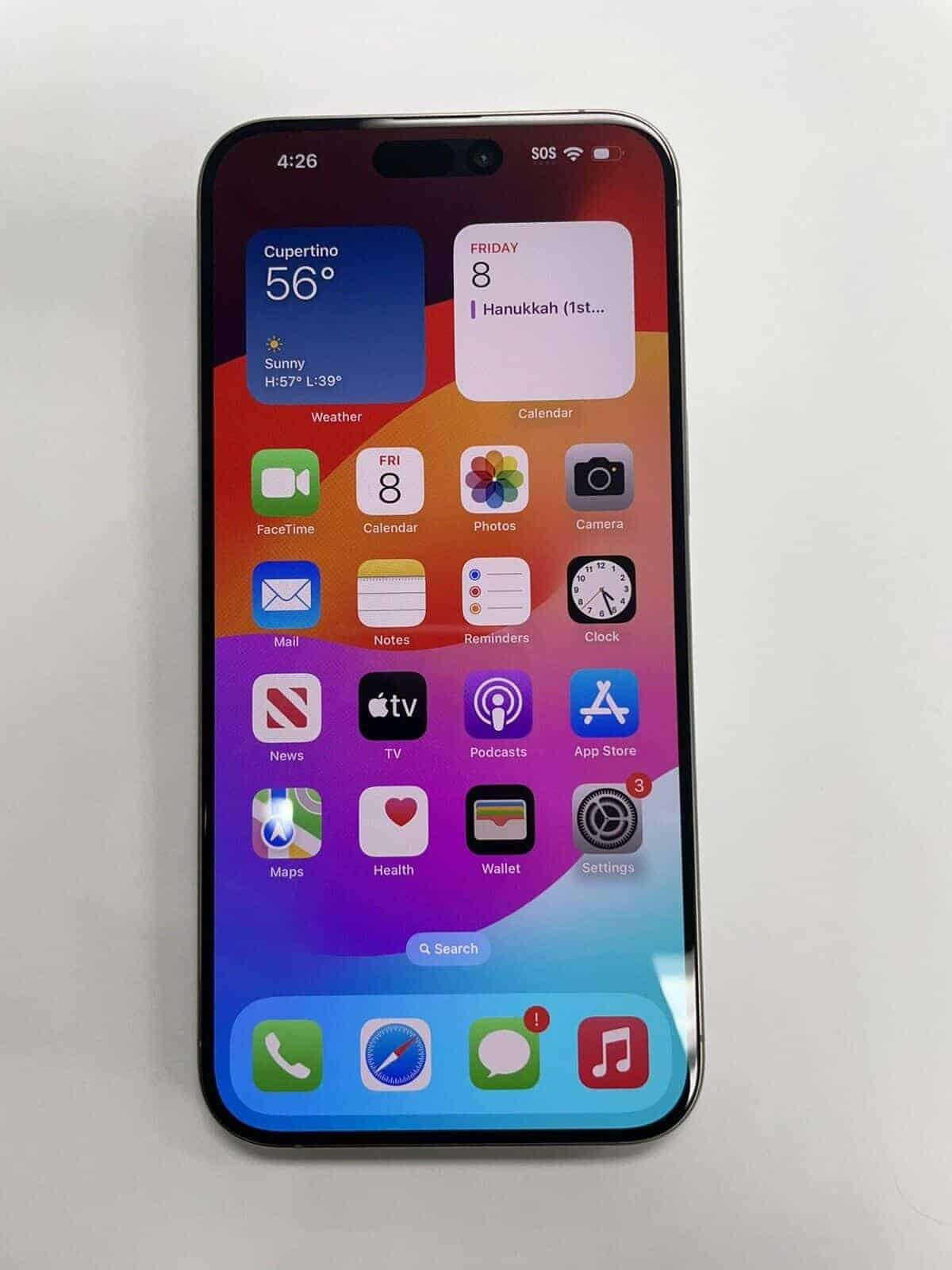
📱 On iPhone or iPad (Safari)
- Open Safari (this only works in Safari).
- Go to the website you want to save.
- Tap the Share icon (square with an arrow pointing up).
- Scroll down and tap “Add to Home Screen.”
- Edit the name if you’d like.
- Tap Add in the top-right corner.
✅ The website will now appear on your home screen like an app.
🤖 On Android (Chrome)
- Open Google Chrome.
- Go to the website you want to save.
- Tap the three dots (⋮) in the top-right corner.
- Tap “Add to Home screen.”
- Edit the name if needed.
- Tap Add, then confirm.
✅ The shortcut will now appear on your home screen.
💻 On Windows (Using Chrome)
- Open Google Chrome.
- Visit the website.
- Click the three dots (⋮) in the top-right corner.
- Go to More tools → Create shortcut.
- Name the shortcut.
- Click Create.
✅ The shortcut will appear on your desktop (and can be pinned to the taskbar).
🍎 On Mac (Using Safari)
- Open Safari.
- Visit the website.
- Click File in the top menu.
- Select Add to Dock (macOS Sonoma or later).
✅ The website will appear in your Dock like an app.
Key Takeaways
- Website shortcuts provide instant access to frequently visited pages from your home screen
- Creating shortcuts requires only dragging icons or using built-in browser options
- Customizable names and icons help organize shortcuts for better productivity
Creating and Managing Website Shortcuts
Website shortcuts provide quick access to favorite sites and web apps across different devices and browsers, saving time and improving productivity.
Creating Shortcuts on Desktop Browsers
Google Chrome makes shortcut creation simple. Users right-click anywhere on a webpage and select “Create shortcut” from the menu. A dialog box appears where they can name the shortcut and choose to open it in a new window.
Firefox users can drag the site’s URL from the address bar directly to their desktop. The browser generates a shortcut icon with the website’s favicon automatically.
Microsoft Edge offers multiple options. Users can pin sites to the taskbar by clicking the “…” menu and selecting “Pin to taskbar.” They can also create desktop shortcuts through the same menu.
Adding Shortcuts to Mobile Home Screens
On iOS devices, users tap the share icon in Safari and select “Add to Home Screen.” They can customize the shortcut name before tapping “Add.”
Android users open Chrome and tap the menu icon. Select “Add to Home screen” and customize the shortcut name. The icon appears on the home screen instantly.
Some websites offer Progressive Web App (PWA) functionality. These shortcuts behave like native apps, with features like offline access and push notifications.
Enhancing Browsing with Keyboard and App Shortcuts
Chrome users can press Ctrl+D (Windows) or Command+D (Mac) to bookmark sites quickly. The Alt+D shortcut highlights the address bar in most browsers.
Browser extensions enable custom keyboard shortcuts. Users assign key combinations to open specific websites or perform common actions.
The Windows key + number combinations launch pinned taskbar items instantly. Users arrange their most-used web shortcuts in positions 1-9 for fastest access.
Web apps can create custom shortcuts for specific features. Gmail users press “C” to compose new messages, while “R” refreshes the inbox.
Frequently Asked Questions
Creating website shortcuts saves time and provides quick access to favorite sites across different devices and operating systems. The exact steps vary between platforms but typically involve using the browser’s share or menu options.
How can one create a website shortcut on an Android home screen?
Open Chrome and navigate to the desired website. Tap the three-dot menu in the top right corner. Select “Add to Home screen” from the menu options.
Type a name for the shortcut in the popup window. Tap “Add” to place the website shortcut on the home screen.
What are the steps to add a website to the home screen on an iPhone?
Open Safari and visit the website to add. Tap the Share icon at the bottom of the screen. Select “Add to Home Screen” from the share menu.
Enter a name for the shortcut. Tap “Add” in the top right corner to create the shortcut.
What is the process for pinning a website shortcut to the Windows 10 start menu?
Open Microsoft Edge and go to the website. Click the three-dot menu in the top right. Select “Pin to Start” from the dropdown menu.
A prompt will appear to confirm. Click “Yes” to add the website tile to the Start menu.
How do you place a website shortcut on a desktop on a PC?
Right-click an empty area on the desktop. Select “New” and then “Shortcut” from the context menu.
Type or paste the website URL in the location field. Click “Next,” enter a name for the shortcut, and click “Finish.”
Can I have a website appear directly on my home screen, and if so, how?
Most modern browsers support adding website shortcuts to device home screens. The website icon appears like a regular app icon.
These shortcuts open the website in a browser window when tapped. Some websites offer progressive web app features for an app-like experience.
What is the method to add a website to the Chrome browser’s home screen?
Open Chrome and visit the website. Click the three-dot menu in the top-right corner. Select “More tools” then “Create shortcut.”
Check “Open as window” for an app-like experience. Click “Create” to add the shortcut.