Netflix has evolved its pricing structure significantly in 2025-2026, phasing out the Basic plan and streamlining its offerings to three main subscription tiers. Here’s everything you need to know about current Netflix costs and what you get with each plan.
Current Netflix Pricing (2026)
Netflix now offers three subscription options in the United States, ranging from budget-friendly ad-supported streaming to premium 4K experiences. The pricing reflects increases that took effect in January 2025, adding $1-2 to most plans compared to the previous year (source: Of Zen and Computing).
Netflix Plans Comparison Table
| Plan | Monthly Price | Ads | Video Quality | Simultaneous Streams | Downloads | Extra Members |
|---|---|---|---|---|---|---|
| Standard with ads | $7.99 | Yes | 1080p (Full HD) | 2 devices | 2 devices | Not available |
| Standard | $17.99 | No | 1080p (Full HD) | 2 devices | 2 devices | Add 1 for $8.99/month |
| Premium | $24.99 | No | 4K (Ultra HD) + HDR | 4 devices | 6 devices | Add up to 2 for $8.99/month each |
Note: Extra members with ads available for $6.99/month instead of $8.99/month
What Each Plan Offers
Standard with ads ($7.99/month)
This entry-level option provides access to most of Netflix’s content library with occasional ad breaks. While some titles may be unavailable due to licensing restrictions (indicated by a lock icon), you still get access to all Netflix games and the vast majority of movies and TV shows in Full HD quality.
Standard ($17.99/month)
The ad-free Standard plan offers unlimited streaming of Netflix’s entire catalog in 1080p. This mid-tier option is ideal for couples or small households who want uninterrupted viewing on two devices simultaneously. You can also add one extra member who doesn’t live with you for an additional $8.99/month.
Premium ($24.99/month)
Netflix’s top-tier plan delivers the ultimate streaming experience with 4K Ultra HD resolution, HDR support, and spatial audio. With the ability to watch on four devices at once and download content to six devices, it’s perfect for larger families. Premium subscribers can add up to two extra members for $8.99 each per month.
Important Notes About Netflix Pricing
The Basic Plan is Gone: Netflix discontinued its Basic plan, which was previously a popular mid-range option. Existing Basic subscribers can continue until they change plans, but new subscribers must choose from the current three tiers (source: Netflix Help Center).
Extra Member Feature: Netflix now strictly enforces its “one household” policy but offers the ability to add people outside your household as paid extra members. These individuals get their own account and password, but you pay for their subscription (source: Streaming Mania).
Tax Considerations: Depending on your location, you may pay additional taxes on top of the subscription price.
Price History: Since 2011, Netflix has raised prices eight times. The Premium plan has increased from $11.99 to $24.99 over this period (source: Of Zen and Computing).
Which Plan Should You Choose?
- Choose Standard with ads if you’re budget-conscious and don’t mind commercials
- Choose Standard if you want ad-free viewing for 1-2 people in Full HD
- Choose Premium if you have a larger household, want 4K quality, or need to share with family members outside your home
Remember, you can easily change your plan or cancel at any time without penalties, giving you flexibility to adjust based on your viewing needs and budget.
Smart Ways to Use Your Old Android Tablet
Got an old Android tablet gathering dust? Don’t toss it out! That unused device can find new life in many creative ways around your home. Your old Android tablet can be transformed into a digital photo frame, kitchen TV, e-reader, security camera, or even contribute to scientific research.
These devices still pack plenty of processing power and features that make them perfect for specialized tasks. You might be surprised at how useful your forgotten tablet can be when repurposed. From turning it into a dedicated e-reader that helps you support your local library to using it as a scientific research tool with apps like Zooniverse or DreamLab, the possibilities extend far beyond its original purpose.
A few simple tweaks can give your tablet new purpose as a home security camera or a dedicated entertainment center. With minimal effort, that old device can solve everyday problems and add convenience to your home environment.
Key Takeaways
- Old Android tablets can be repurposed as digital photo frames, security cameras, or kitchen entertainment systems with minimal setup.
- Specialized apps transform outdated tablets into useful tools for reading, home automation control, or even scientific research.
- Repurposing extends device lifespan, reduces electronic waste, and provides practical solutions for everyday needs.
Preparing Your Old Android Tablet for New Uses
Before giving your old tablet a new role, it needs some work to get it running smoothly. A few simple steps can make your device faster, more reliable, and ready for its next chapter.
Updating Settings and Software
Start by checking for system updates in the Settings app. Even older tablets can often receive security patches that improve performance. Remove any screen locks or passwords you no longer need.
Next, turn off unnecessary features that drain the battery. Disable Bluetooth, location services, and automatic syncing when they’re not needed. Go to Settings > Battery to see what’s using power and adjust accordingly.
For better performance, disable animations. Go to Settings > About tablet and tap “Build number” seven times to unlock Developer Options. Then find “Window animation scale,” “Transition animation scale,” and “Animator duration scale” and set each to 0.5x or off.
Make smart choices in settings by setting up Wi-Fi to turn off when not in use. This saves power and reduces background data usage.
Enhancing Tablet Performance
Uninstall apps you don’t need. Go to Settings > Apps and remove anything unnecessary. More free space means better performance.
Clear app caches regularly. Go to Settings > Storage > Cached data and clear it. This removes temporary files that slow down your tablet.
Install a lightweight launcher like Nova Launcher or Apex Launcher. These use fewer resources than stock launchers and run faster on older hardware.
Consider a factory reset if the tablet is still sluggish. Back up important data first, then go to Settings > Backup & reset > Factory data reset.
Use lite versions of popular apps when available. Apps like Facebook Lite, Google Go, and YouTube Go are designed for older devices and use less memory.
Many apps in the Google Play Store have alternatives that run better on older hardware. Look for options specifically made for low-end devices.
Increasing Storage with MicroSD Card
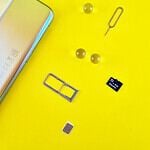
Check if your Android tablet has a microSD card slot. Many models allow for expandable storage through this simple addition.
Buy a high-quality microSD card with suitable capacity. Class 10 or UHS-I cards offer good speed for most uses. Cards range from 32GB to 512GB, with higher capacities costing more.
Insert the card and format it properly. Go to Settings > Storage > Format SD Card. This prepares the card for use with your device.
Move apps to the SD card when possible. Go to Settings > Apps, select an app, and tap “Move to SD card” if the option appears. Not all apps support this feature.
Transfer photos, videos, and music to the SD card to free up internal storage. Use the built-in file manager or connect to a computer with a USB cable to move files easily.
Set up the camera app to save new photos directly to the SD card. This prevents your internal storage from filling up with images.
Repurposing as a Home Device
Don’t let your old Android tablet gather dust in a drawer. With some simple apps and clever setups, your tablet can transform into a useful home device that adds convenience and functionality to your living space.
Setting Up a Smart Display
Turning your old Android tablet into a smart display gives it new life. You can install Google Assistant or Amazon Alexa apps to create a central command center for your home.
First, find a good spot to mount your tablet. Kitchen walls, bedside tables, or living room shelves work well. Get a tablet stand or wall mount to keep it secure and visible.
Next, download Google Assistant or Alexa app from the Play Store. Sign in with your account and follow the setup instructions. Make sure to enable “always listening” mode so you can use voice commands.
For best results, keep your tablet plugged in at all times. You might want to invest in a magnetic charging cable for easy connection and disconnection.
Once set up, you can ask your tablet for weather updates, news, cooking timers, and more. It becomes especially helpful for quick questions when your hands are busy cooking or cleaning.
Creating a Digital Photo Frame
Transform your old Android tablet into a digital photo frame that showcases your favorite memories.
Start by selecting a photo frame app like Google Photos, Fotoo, or SimplePhotoFrame. These apps will cycle through your photo collection automatically.
Connect your tablet to your Google Photos account or load pictures directly onto the device. You can create special albums for your frame to display only certain photos.
Setting tips:
- Turn off notifications to avoid disruptions
- Adjust the screen timeout to “never” in settings
- Set up a schedule for when the frame turns on and off
- Adjust brightness based on room lighting
Place your new digital frame in high-traffic areas like living rooms or entryways. Make sure it’s plugged in, or set it to turn on only when charging to save battery.
Some apps even let you display weather and time alongside your photos. This adds extra usefulness to your frame.
Controlling Smart Home Devices
Your old Android tablet makes an excellent universal smart remote to control all your connected home gadgets from one place.
Install a smart home hub app like Google Home, SmartThings, or Home Assistant. These apps can connect to most popular smart devices including:
- Smart lights
- Thermostats
- Door locks
- Speakers
- TV sets
- Smart plugs
Mount your tablet in a central location using a wall mount or stand. Keep it plugged in to ensure it’s always ready for use.
Create custom routines to control multiple devices with a single tap. For example, a “Good Morning” routine could open blinds, turn on lights, and set the thermostat.
The large screen makes it easier to see and control your devices compared to a phone. It’s also great for family members or guests who don’t have the apps on their own devices.
Monitoring Home with Security Camera Features
Turn your old tablet into a security camera to keep an eye on your home, pets, or baby’s room without buying expensive equipment.
Download an app like IP Webcam or Alfred Camera from the Play Store. These apps use your tablet’s camera to stream video you can watch from another device.
Position your tablet with a clear view of the area you want to monitor. Use a stand or mount to keep it stable and at the right angle.
Key features to look for in security apps:
- Motion detection alerts
- Two-way audio communication
- Night vision mode
- Cloud recording options
- Multiple device viewing
Make sure your tablet is connected to your home Wi-Fi network for reliable streaming. Keep it plugged in to prevent battery drain during extended monitoring sessions.
Some apps even offer additional features like motion-triggered recordings or automatic alerts sent to your phone. This gives you peace of mind when away from home.
Entertainment and Media Center
Old Android tablets make perfect entertainment hubs for your home. With their touchscreens and internet connectivity, these devices can transform your media experience without requiring you to spend money on new gadgets.
Streaming Media with Chromecast
An old tablet works great as a dedicated streaming controller. Install apps like Netflix, Hulu, Disney+, and YouTube to create a media command center. The tablet’s larger screen makes browsing content easier than on a phone.
Setting up Chromecast with your tablet is simple:
- Install the Google Home app on your tablet
- Make sure both the Chromecast and tablet are on the same Wi-Fi network
- Open the Home app and follow the setup instructions
- Start casting content to your TV
You can also use your tablet as a remote control for smart TVs. Many manufacturers offer specific apps that turn your tablet into a full-featured remote with program guides and content recommendations.
Setting Up a Media Server with Plex
Turn your old Android tablet into a media server that streams content to all devices in your home. Kodi and Plex are popular options for this purpose.
To set up Plex Media Server:
- Download the Plex Media Server app
- Create a Plex account if you don’t have one
- Connect an external hard drive with your media files
- Configure the server to scan your media folders
- Install Plex apps on your other devices
Your tablet will need to stay powered on to serve media, so keep it plugged in. A decent-sized microSD card can expand storage for more content.
Using Plex lets you access your movies, TV shows, and music from any device in your home without taking up storage space on those devices.
Using as an E-Book Reader
An Android tablet makes an excellent e-book reader with its larger screen. Google Play Books, Kindle, and other reading apps offer millions of books, many for free.
Benefits of tablet e-readers:
- Adjustable font sizes and brightness
- Built-in dictionaries for quick word lookups
- Highlight and note-taking capabilities
- Access to multiple book stores in one device
To optimize your tablet for reading:
- Enable night mode or blue light filter for evening reading
- Adjust screen brightness to comfortable levels
- Use dark mode in apps to reduce eye strain
- Install a screen protector with anti-glare coating
Many tablets also support audiobooks through apps like Audible, making them versatile for all types of reading. Load up your old tablet with your favorite books for dedicated, distraction-free reading time.
Productivity Enhancements
Your old Android tablet can become a powerful productivity tool with just a few tweaks. These simple modifications can help you work more efficiently and create a more organized digital workspace.
Transforming into a Secondary Monitor
An old tablet works great as a second screen for your computer. This setup gives you extra workspace without buying new hardware.
For iOS users, Duet Display is a popular app that connects your tablet to a Mac or PC. Android users can try apps like Spacedesk or TwomonUSB.
Connection options include:
- USB cable – Provides faster response and charges your tablet
- Wi-Fi – Offers wireless freedom with slightly more lag
Setting up is usually straightforward:
- Install the app on both devices
- Connect using your preferred method
- Adjust display settings as needed
Many users place their tablet beside their main screen for checking emails or keeping chat windows open. Others use it for toolbars in design programs.
Organizing with Nova Launcher
Nova Launcher transforms your old tablet into a customized productivity dashboard. This powerful home screen replacement lets you organize apps exactly how you want.
Key features include:
- Custom folders for grouping similar apps
- Widgets for calendar, to-do lists, and notes
- Gesture controls for quick access to important tools
Users can create specific layouts for work tasks. For example, a writer might set up a screen with writing apps, research tools, and a dictionary widget all accessible with one tap.
Nova’s backup feature is especially helpful. You can save your perfect productivity setup and restore it if needed.
The Prime version adds even more productivity boosters like unread counts on app icons and advanced gestures. Most users find these extras worth the small cost.
Remote Desktop and File Access
Your old tablet can provide access to your main computer from anywhere in your home or office. This flexibility helps you stay productive without being tied to your desk.
Popular remote desktop apps include:
- Microsoft Remote Desktop
- Chrome Remote Desktop
- TeamViewer
Setting these up typically requires installing software on both devices and linking them through your Google account or a specific access code.
For file access, cloud solutions work best. Apps like Dropbox, Google Drive, and OneDrive let you view and edit documents stored on your main computer.
Many users keep their tablet near their workspace for quick reference materials or as a dedicated reading device for work documents. This prevents switching between windows on your main screen.
Bluetooth keyboards can turn this setup into a lightweight workstation when you need to reply to emails or make small edits on the go.
Communication and Utility Tools
Your old Android tablet can be transformed into several practical communication and utility devices. These repurposed tools can save you money while giving new life to technology that might otherwise collect dust.
Converting into a Dedicated Video Call Station
An old tablet makes an excellent dedicated video calling station for your home. Set it up in a common area where family members can easily make calls to distant relatives or friends.
To create your video call station:
- Install apps like Zoom, Google Meet, or Skype
- Buy an inexpensive stand or case with a built-in stand
- Connect to your home Wi-Fi for stable calls
- Keep it plugged in or near a power source
This setup works great for grandparents or children who need a simple way to stay in touch. The larger screen makes it easier to see faces compared to phones.
Many tablets have better front cameras than you might remember. Test the video quality first and place the tablet in a well-lit area for the best results.
Building a DIY Baby Monitor
Transform your old Android tablet into a cost-effective baby monitor. This project requires minimal technical knowledge but delivers a reliable monitoring solution.
Start by installing a webcam app designed for baby monitoring. Popular options include:
- Baby Monitor 3G
- Dormi
- Cloud Baby Monitor
Mount the tablet securely to the wall or place it on a shelf with a clear view of the crib. Make sure it’s plugged in for continuous operation.
For a complete setup:
- Use one tablet in the baby’s room
- View the feed on your phone or another tablet
- Check that your wireless connection is strong enough throughout your home
Most apps offer night vision, sound detection, and alerts when the baby cries. Some even play lullabies or white noise to help soothe your child back to sleep.
Implementing a Vehicle Dashcam
Your old Android tablet can become a powerful dashcam for your car, recording your drives and providing evidence if accidents occur.
First, get a reliable windshield or dashboard mount that keeps the tablet secure and visible without blocking your view. Then install a dedicated dashcam app like:
- DailyRoads Voyager
- AutoBoy Dashcam
- CamOnRoad
Most of these apps offer:
- Continuous recording
- Automatic file management (deleting old footage)
- GPS tracking of your routes
- Impact detection
For power, use a car charger adapter since recording video drains batteries quickly. Consider adding a high-capacity SD card to store more footage.
The tablet’s large screen helps you position the camera correctly. It also makes reviewing footage much easier compared to traditional dashcams with tiny screens.
Gaming and Interactivity
Old Android tablets can transform into entertainment hubs that offer both fun gaming experiences and educational activities for the whole family. These devices pack enough power for many games and interactive apps without requiring a new purchase.
Gaming Console with Emulators
Turn your old tablet into a retro gaming machine with emulator apps. These apps let you play classic games from systems like Nintendo, Sega, and PlayStation. You’ll need to download an emulator that matches the gaming system you want to recreate.
Popular emulators include RetroArch, PPSSPP, and ClassicBoy. Many are free on the Google Play Store. For the best experience, pair your tablet with a Bluetooth controller. These controllers connect wirelessly and feel just like original gaming console controllers.
Some tablets can even run modern mobile games. Games like Minecraft, Roblox, and many puzzle games work well on older hardware. The large screen makes gaming more enjoyable than on a phone.
Interactive Learning and Reading for Children
An old tablet makes a perfect learning tool for kids. Educational apps offer interactive ways to learn math, reading, science, and more. Many apps use games to teach, making learning fun.
Top Educational Apps:
- ABC Mouse
- PBS Kids
- Khan Academy Kids
- Duolingo
- Epic! (digital reading library)
These apps often include colorful animations and sound effects that keep children engaged. The touch screen makes interaction natural for small hands.
For reading, tablets work great as e-readers for children’s books. Apps like Epic! and Amazon Kids+ offer thousands of age-appropriate books. The bright screen and ability to zoom in on pictures makes reading more engaging than paper books for some children.
Set up kid-friendly profiles and parental controls to create a safe learning environment. This helps limit screen time and ensures appropriate content.
Smart Remote Capabilities
Old Android tablets can transform into powerful control centers for your home devices. With the right apps and setup, your tablet can replace multiple remotes and enable voice controls for your smart home.
Universal Remote Control Functionality
Many Android tablets can work as universal smart home remotes. If your tablet has an IR blaster, it can directly control TVs, stereos, and other devices that use infrared signals.
Apps like iRule and OnHome let you create custom remote interfaces. These apps work with Wi-Fi connected devices even if your tablet lacks an IR blaster.
For a complete setup, users should:
- Remove the lock screen for quick access
- Install a dedicated launcher app
- Set up custom buttons for different devices
- Mount the tablet in a central location
Fully Kiosk is a popular app that boots directly to your control dashboard. It prevents the tablet from sleeping when you need quick access to controls.
Voice Commands and Automation
Adding voice commands makes your tablet remote even more powerful. Users can set up Google Assistant or other voice services to control devices without touching the screen.
Remote access apps like TeamViewer and Google Remote Desktop extend control beyond your home. These let you manage your smart home system even when you’re away.
Voice commands work best when you:
- Position the tablet where it can hear you easily
- Set up automation routines for common tasks
- Use clear, simple command phrases
Some users create custom widgets and icons for a high-tech look. These can be programmed to trigger voice commands or run complex automation sequences with a single tap.
Customization and Personalization
Old Android tablets can be transformed with the right customization tools. These devices can feel brand new again with simple interface changes and personalized touches.
Personalizing with Live Wallpapers and Widgets
Android tablets offer many ways to make your device feel unique. Start by adding live wallpapers that bring your screen to life with moving images or interactive elements. These dynamic backgrounds can show weather patterns, landscapes, or abstract art that moves as you touch the screen.
Widgets are another powerful tool for personalization. Place calendar widgets, weather forecasts, or music players directly on your home screen. This makes key information available at a glance.
For a more organized feel, try grouping apps by color or function. This not only looks better but makes finding what you need faster. You can also resize widgets to fit your screen perfectly, taking advantage of your tablet’s display size and quality.
Tailoring User Experience with Custom ROMs
When standard Android feels limiting, custom ROMs can give your old tablet new life. These are custom versions of the Android operating system made by developers and enthusiasts.
Third-party launchers like Nova Launcher offer deep customization without the need to replace your entire operating system. They let you change icon packs, adjust grid sizes, and create gesture controls.
For tech-savvy users, flashing a new ROM can add features not available in your tablet’s original software. Many custom ROMs are optimized for older hardware, making your tablet run faster and smoother.
Before installing any custom ROM, remember to:
- Back up all important data
- Check if your device is supported
- Follow installation instructions carefully
These changes can significantly extend your tablet’s useful life while providing a fresh, modern experience.
Frequently Asked Questions
Old Android tablets offer many practical uses beyond their original purpose. These devices can transform your home, entertain your family, teach your kids, display art, organize your life, and even extend your workspace.
How can an old Android tablet be repurposed for home automation?
An old Android tablet makes an excellent dedicated smart home controller. Mount it on a wall or place it on a stand in a central location of your home.
Install apps like Nest, Hue, and other smart-device setup applications to control lights, thermostats, security cameras, and other smart devices. This creates a permanent control panel that everyone in the household can use.
The tablet can serve as a hub for managing all your smart home needs without draining your phone battery or requiring your personal device to be available at all times.
What creative uses are there for an old Android tablet as a dedicated media controller?
Turn your old tablet into a universal remote for your entertainment system. Install apps for your streaming services, music platforms, and smart TV controls all in one place.
It can function as a dedicated Spotify or YouTube controller in your kitchen or living room. This keeps your entertainment controls separate from your personal devices.
Mount it near your home theater setup to control your TV, sound system, and streaming devices without searching for multiple remotes or using your phone.
Are there any educational applications for repurposing an old Android tablet for children?
An old tablet can become a learning device loaded with educational apps and games for children. Download age-appropriate learning tools that teach reading, math, science, and creativity.
Set up restricted profiles or parental controls to create a safe learning environment. This limits access to appropriate content only.
The tablet can also serve as an e-reader filled with digital books, which encourages reading and saves space compared to physical books.
How can an old Android tablet be transformed into a digital photo frame or art display?
Convert your tablet into a digital photo frame by installing photo slideshow apps. These apps can cycle through your favorite personal photos or artwork.
Mount the tablet on a wall or place it on a stand in a visible area. Many users create electronic albums for favorite photos that automatically rotate through memories.
Set up the tablet to display famous artwork or seasonal images that complement your home décor. This gives new life to the device while personalizing your space.
What are the best ways to utilize an old Android tablet for organizing and planning tasks?
Transform your old tablet into a dedicated planning station with calendar, note-taking, and to-do list apps. Place it in your office or kitchen for family scheduling.
It can serve as a digital recipe book in the kitchen, displaying instructions while you cook. This keeps your primary devices clean and away from potential spills.
Many people use old tablets as a central family message board or chore tracker. This helps everyone stay on the same page with household responsibilities.
Can an old Android tablet be effectively used as a secondary monitor or screen extension?
An old Android tablet can function as an extra display for your computer with the right apps. Install screen extension applications that connect to your primary computer.
This setup works well for displaying reference materials, chat applications, or media controls while you work on your main screen. It’s perfect for small workspaces.
The tablet can also serve as a dedicated monitoring screen for security cameras or baby monitors. This gives you constant access to important information without interrupting your main workflows.