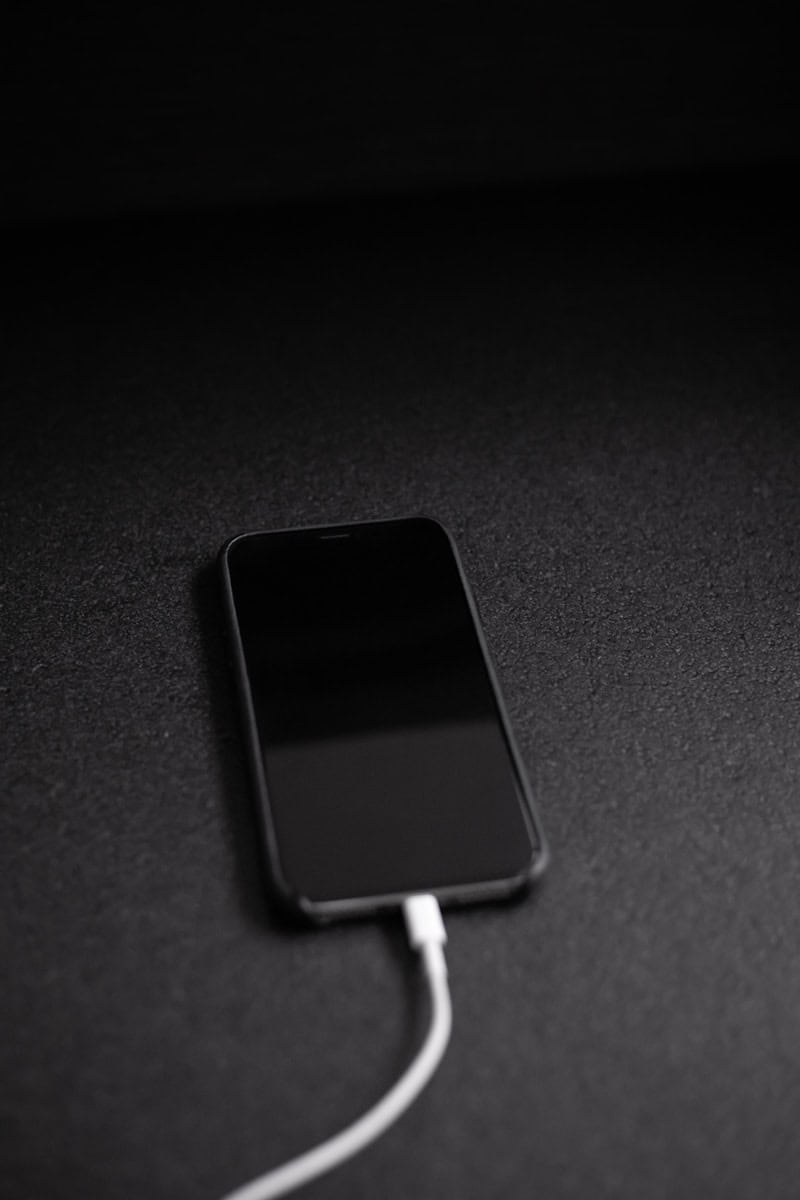
Is your iPhone taking forever to charge? Don’t worry, you’re not alone. Many iPhone users face slow charging issues at some point. Fixing a slow-charging iPhone often comes down to checking your cable, charger, and cleaning the charging port.
Slow charging can happen for several reasons. Your old charger might need an upgrade, or there could be debris stuck in your charging port. Sometimes, it’s just a software setting like Clean Energy Charging that was added in iOS 16.1.
Before rushing to the Apple Store, try some simple fixes at home. Using an Apple-certified charger and cable makes a big difference. Also, check if your phone gets hot while charging, as this can slow things down too.
Fix iPhone Charging Slowly (2026 Guide)
If your iPhone is charging slowly, the cause is usually a cable, charger, port issue, software setting, or temperature condition. This guide walks you through every proven fix — from quick checks to advanced troubleshooting.
Why Is My iPhone Charging Slowly?
According to Apple Support, slow charging can happen due to:
- Low‑power adapters
- Damaged or non‑certified cables
- Dirty charging ports
- Background activity
- Overheating
- Optimized Battery Charging
- “Slow Charger” warning in newer iOS versions
(source: Apple Support)
Now let’s fix it.
✅ 1. Check Your Charger & Cable First (Most Common Cause)
🔌 Use a Fast-Charging Adapter
For faster charging, use:
- 20W USB‑C power adapter or higher
- USB‑C to Lightning cable (for Lightning iPhones)
- USB‑C to USB‑C cable (for USB‑C iPhones)
Older 5W chargers charge very slowly.
⚠️ Avoid:
- Cheap, uncertified cables
- Old worn-out cables
- Weak USB ports on laptops
If you see a “Slow Charger” warning (iOS 18+), your adapter likely doesn’t supply enough power (source: TechWiser).
✅ Fix: Switch to a 20W+ certified charger.
✅ 2. Clean the Charging Port
Pocket lint is a major cause of slow charging.
How to Clean Safely:
- Turn off your iPhone.
- Use a wooden toothpick or plastic tool.
- Gently remove debris.
- Do NOT use metal objects.
A blocked port prevents proper power connection.
✅ 3. Check for Optimized Battery Charging
iPhones use Optimized Battery Charging to slow charging past 80% based on your routine.
To check:
Settings → Battery → Battery Health & Charging
If enabled, your phone may pause charging overnight.
✅ Fix (Optional): Temporarily disable it if you need full charge quickly.
(Apple explains this feature here: Apple Support)
✅ 4. Your iPhone Might Be Overheating
iPhones slow charging when hot to protect the battery.
Signs:
- Phone feels warm
- Charging pauses
- Screen dims
✅ Fix:
- Remove the case
- Move out of direct sunlight
- Stop gaming while charging
- Let it cool down
✅ 5. Turn On Airplane Mode (Quick Boost Trick)
Background apps drain power while charging.
For faster charging:
- Enable Airplane Mode
- Or turn off Wi‑Fi, Bluetooth, and cellular
This can noticeably speed up charging.
✅ 6. Stop Using Your Phone While Charging
Watching videos, gaming, or video calling slows charging dramatically.
✅ For fastest charging:
- Lock the screen
- Avoid heavy apps
- Don’t stream content
✅ 7. Update iOS
Software bugs can affect charging speed.
Go to:
Settings → General → Software Update
Install the latest version.
✅ 8. Try a Different Power Source
Avoid:
- Car USB ports
- Old power strips
- Low-power laptop ports
Use:
- Wall outlet
- Certified fast charger
✅ 9. Check Battery Health
Battery degradation can affect charging behavior.
Go to:
Settings → Battery → Battery Health & Charging
If Maximum Capacity is below 80%, battery replacement may be needed.
✅ 10. Reset Settings (If Nothing Works)
Sometimes system glitches affect charging speed.
Go to:
Settings → General → Transfer or Reset iPhone → Reset → Reset All Settings
This won’t erase data, but will reset Wi‑Fi, Bluetooth, and system settings.
🔋 What’s Normal Charging Speed?
With a 20W+ charger:
- 0–50%: ~30 minutes
- 0–80%: ~45–60 minutes
- 80–100%: Slower (battery protection)
If your phone takes 3–4+ hours, something is wrong.
🚨 When to Contact Apple
Contact Apple Support if:
- iPhone won’t charge at all
- Charging stops randomly
- You see liquid detection warnings
- Cable works with other devices but not yours
Official troubleshooting guide:
👉 Apple Support – iPhone Won’t Charge
✅ Quick Fix Checklist
✔ Use 20W+ certified charger
✔ Clean charging port
✔ Remove case
✔ Let phone cool down
✔ Turn on Airplane Mode
✔ Update iOS
✔ Check battery health
Final Thoughts
In most cases, slow charging is caused by the charger or cable, not the iPhone itself. Upgrading to a proper 20W fast charger and cleaning the charging port fixes the issue for most users.
Key Takeaways
- Check for dirt in the charging port and try using a different cable or power adapter.
- Restart your iPhone and close background apps to improve charging speed.
- Apple’s Clean Energy Charging feature may slow down charging, so consider turning it off in your settings.
Understanding the Issue
When your iPhone charges slowly, it can be frustrating. Several factors might cause this problem.
One common cause is using the wrong charger. Old or damaged cables can lead to slow charging times. Using a computer USB port instead of a wall adapter also reduces charging speed.
Dirt buildup can be sneaky. Debris in the charging port blocks proper connections and slows down power transfer. Check for lint or dust that might have collected over time.
Software settings sometimes affect charging speed. Apple introduced Clean Energy Charging in iOS 16.1, which can slow charging to reduce carbon footprint.
Physical signs to watch for:
- Phone getting hot while charging
- Loose connection between cable and phone
- Cable fraying or damage
Background apps can drain power faster than it comes in. This makes charging seem slower even when the charger works correctly.
Battery health matters too. Older batteries don’t hold charge as efficiently. Check your battery health in Settings > Battery > Battery Health.
Before buying new equipment, try these quick checks:
- Restart your iPhone
- Try a different cable and adapter
- Clean the charging port gently
- Close background apps
These simple steps often fix slow charging without spending money on new accessories.
Checking Your Hardware
When your iPhone charges slowly, the problem often lies with your charging equipment. A thorough inspection of your hardware can help identify and fix the issue quickly.
Inspect the Charging Cable
Start by examining your charging cable for any visible damage. Look for fraying, kinks, or exposed wires that might affect charging performance.
Bent connectors or worn-out pins can also cause slow charging. Try wiggling the cable while it’s connected – if charging stops and starts, this indicates a damaged cable.
Apple’s original charging cables often last longer than third-party ones. However, all cables wear out over time. If your cable is old or damaged, replacing it with a new MFi-certified (Made for iPhone) cable is often the simplest solution.
Test with a different cable if possible. This easy check can quickly determine if the cable is causing your slow charging issues.
Examine the Power Adapter
The power adapter (wall charger) plays a crucial role in charging speed. Check for these common issues:
- Visible damage like cracks or bent prongs
- Proper fit in the electrical outlet
- Correct wattage for your iPhone model
Older 5W Apple chargers work reliably but charge much slower than modern options. Upgrading your old charger to a higher-wattage model can dramatically improve charging speeds.
iPhones support different maximum charging rates. Newer models can use 20W or higher adapters for fast charging, while older phones may not benefit from higher wattage.
Avoid using your computer’s USB port for charging. These ports typically provide less power than wall adapters and result in much slower charging.
Clean the Charging Port
A dirty charging port is a common cause of slow charging. Lint, dust, and debris can build up inside, preventing the cable from making a proper connection.
Before cleaning, turn off your iPhone. Use a small tool like a toothpick or wooden dental pick to gently remove any visible debris. Be extremely careful not to damage the pins inside.
Removing debris from the charging port can often fix charging issues immediately. If you’re uncomfortable doing this yourself, an Apple Store or authorized repair shop can help.
For stubborn dirt, a can of compressed air can be effective. Hold the can upright and use short bursts to dislodge debris without forcing moisture into the port.
After cleaning, reconnect your charger and check if charging speed has improved.
Checking Your Software
Your iPhone’s software plays a big role in charging speed. Problems with iOS, background apps, or settings can slow down charging even when using the right cable and adapter.
Update Your iOS
Old software can cause charging issues on your iPhone. Apple regularly fixes bugs in new updates that affect battery performance.
To check for updates, go to Settings > General > Software Update. If an update is available, connect to Wi-Fi and plug in your iPhone before downloading. Outdated iOS versions can cause many charging problems.
After updating, restart your iPhone to make sure all changes take effect. Sometimes a simple update fixes charging speed without any other steps needed.
If you’re having trouble updating, try connecting to a different Wi-Fi network. Large updates may fail on slow connections.
Close Background Apps
Apps running in the background can drain battery faster than it charges. This makes your iPhone seem like it’s charging slowly.
To close background apps:
- On iPhone X or later: Swipe up from the bottom and pause in the middle
- On older models: Double-click the home button
- Swipe up on each app to close it
Some apps use more power than others. Video streaming apps and games are especially power-hungry. Check battery usage in Settings > Battery to find the worst offenders.
Turn on Low Power Mode while charging for faster results. This stops background processes that slow charging.
Reset All Settings
When software glitches persist, resetting settings often helps. This doesn’t delete your photos or apps, just returns settings to factory defaults.
To reset settings:
- Go to Settings > General > Transfer or Reset iPhone
- Tap “Reset”
- Select “Reset All Settings”
- Enter your passcode
- Confirm your choice
After resetting, your iPhone will restart. You’ll need to reconnect to Wi-Fi networks and adjust your preferences again.
Clean Energy Charging is a new feature that might slow charging. To turn it off, go to Settings > Battery > Battery Health & Charging > Clean Energy Charging. Toggle it off if faster charging is more important to you than environmental benefits.
Analyzing iPhone Settings
Your iPhone settings play a key role in charging speed. Certain options can slow down or speed up how fast your battery fills up, and knowing which settings to adjust can save you time and frustration.
Optimized Battery Charging
This feature helps extend your iPhone’s battery life but may slow down charging. When enabled, iOS learns your daily charging habits and reduces battery aging by limiting charging past 80%.
To check this setting, go to Settings > Battery > Battery Health. You’ll see if Optimized Battery Charging is active. If your phone charges too slowly, you might want to turn this off temporarily.
With iOS 18, Apple added a helpful indicator. If the system detects charging problems, you’ll see a Slow Charger message in your battery settings. You might also notice orange lines in your battery graph instead of green ones.
Some users report faster charging after disabling this feature, especially when they need a quick power boost.
Turn On Airplane Mode
Airplane Mode can significantly speed up charging by reducing battery drain. When active, this setting turns off all wireless connections that constantly use power.
To use this trick, simply swipe down from the top-right corner (or up from the bottom on older models) to open Control Center. Then tap the airplane icon.
The phone charges faster because it’s not searching for signals or running background processes that use data. This charging method works well when you need a quick boost before heading out.
For even better results, close all apps before enabling Airplane Mode. Different iPhone models may show varied improvements, but most users see at least some benefit.
Advanced Troubleshooting
When simple fixes don’t solve your iPhone’s slow charging issues, you’ll need to try more powerful solutions. These methods can help reset your device’s charging system and fix software-related problems that might be affecting charging speed.
Restart Your iPhone
Restarting your iPhone is often the first step to fix many problems, including slow charging. This simple action clears temporary memory and stops all background processes.
To restart an iPhone with Face ID:
- Press and hold the side button and either volume button
- Drag the power off slider to the right
- Wait 30 seconds for complete shutdown
- Press and hold the side button until you see the Apple logo
For older iPhones with Home buttons:
- Press and hold the side button
- Drag the slider to power off
- Wait 30 seconds
- Press the side button until the Apple logo appears
After restarting, connect your iPhone to a charger to check if the charging speed has improved.
Enter Recovery Mode
Recovery mode can help when your iPhone has serious software issues affecting charging. This mode allows your iPhone to connect to iTunes or Finder for advanced repairs.
For iPhone 8 or newer:
- Connect your iPhone to a computer
- Quick-press the volume up button
- Quick-press the volume down button
- Press and hold the side button until you see the recovery mode screen
For iPhone 7:
- Connect to computer
- Press and hold the side and volume down buttons together
- Keep holding until you see the recovery mode screen
While in recovery mode, you can update your iPhone’s software without losing data. This often fixes charging problems that regular updates can’t solve.
Perform a Factory Reset
Factory reset should be your last resort when nothing else works. It erases all content and settings, returning your iPhone to its original state.
Before resetting:
- Back up your iPhone to iCloud or computer
- Make sure you know your Apple ID password
- Note down any important information
To factory reset:
- Go to Settings > General > Reset
- Tap “Erase All Content and Settings”
- Enter your passcode if prompted
- Confirm your choice
After the reset, set up your iPhone as new instead of restoring from backup at first. This helps determine if a backup issue was causing the slow charging problem.
Many users report that a factory reset effectively fixes persistent charging issues when other methods fail. After testing the charging, you can restore your data if needed.
Exploring Alternate Charging Methods
When your iPhone charges slowly, trying different charging methods can make a big difference. Both wireless charging and fast charging options can speed up the process without damaging your battery.
Wireless Charging Benefits
Wireless charging offers a convenient way to power up your iPhone without dealing with cables. Simply place your iPhone on a compatible charging pad, and it starts charging automatically.
Many newer iPhone models support wireless charging, which can be faster than using older USB cables. For optimal results, position your iPhone correctly on the charging pad. The charging coil needs to align properly.
Wireless chargers come in various forms – stands, pads, and even multi-device chargers. A charging stand keeps your phone upright and viewable while charging.
Not all wireless chargers are equal. Look for models that support at least 7.5W for iPhones, as this provides faster charging than the basic 5W options.
Using a Fast Charging Solution
Fast charging can dramatically cut down charging time for your iPhone. Apple’s newer models support fast charging, which can take your battery from 0% to 50% in about 30 minutes.
To use fast charging, you need:
- A USB-C power adapter (20W or higher)
- A USB-C to Lightning cable (for iPhone 14 and older) or USB-C to USB-C cable (for iPhone 15 and newer)
The standard charger that came with older iPhones is often just 5W, which charges very slowly. Upgrading to a 20W or 30W charger makes a huge difference.
Avoid charging through a computer’s USB port, as this provides minimal power. These ports typically deliver only 2.5W to 5W, making them the slowest charging option.
For the best results, use Apple-certified or high-quality third-party chargers to ensure safety and optimal charging speeds.
Frequently Asked Questions
iPhone charging issues can be frustrating but are often fixable with the right troubleshooting steps. Most slow charging problems stem from damaged cables, dirty ports, or outdated software.
What could be causing my iPhone to charge slowly unexpectedly?
Several factors might cause unexpected slow charging. First, check for debris in your charging port that might prevent proper connection.
Your charging accessories may be the culprit. Using non-Apple certified cables or adapters often results in slower charging speeds.
Background apps can drain power even while charging. Try closing unused apps or restarting your iPhone to improve charging efficiency.
Is there a reason for my iPhone to charge slower after reaching 80% battery?
Yes, this is normal behavior. iPhones use optimized battery charging to extend battery life by slowing down charging above 80%.
This feature reduces battery wear by limiting the time your iPhone spends fully charged. Your phone learns your daily charging habits and adjusts accordingly.
Hot weather or using your iPhone while charging can also trigger thermal throttling, where the device slows charging to prevent overheating.
How can I resolve slow charging issues on my iPhone during nighttime?
Check if Clean Energy Charging is enabled in your battery settings. This iOS 16.1+ feature may slow charging to use greener energy sources.
Enable Optimized Battery Charging in Settings. This helps your iPhone learn your overnight routine and finish charging just before you wake up.
Use Do Not Disturb or Sleep Mode to prevent notifications from activating your screen, which can slow down charging.
What are the reasons behind slow wireless charging on my iPhone?
Wireless charging is naturally slower than wired charging. Most wireless chargers provide between 5W-15W of power compared to faster wired options.
Proper alignment is crucial. Your iPhone must be perfectly centered on the charging pad for optimal charging speed.
Cases thicker than 3mm can interfere with wireless charging efficiency. Remove bulky cases or use MagSafe compatible accessories for better results.
What troubleshooting steps can I take for an iPhone 11 that is charging slowly and depleting quickly?
First, update your iOS to the latest version. Software bugs often cause battery and charging issues.
Check Battery Health in Settings. If maximum capacity is below 80%, your battery might need replacement.
Reset all settings as a troubleshooting step. This won’t delete your data but can fix system-level issues affecting battery performance.
How can I address the slow charger warning on my iPhone?
With iOS 18, your iPhone will show a Slow Charger message in Battery Settings when it detects suboptimal charging.
Replace your current charger with a higher-wattage adapter. iPhones support faster charging with 20W or higher power adapters.
Make sure you’re using the right cable. Only Apple-certified USB-C cables support the fastest charging speeds on newer iPhone models.