
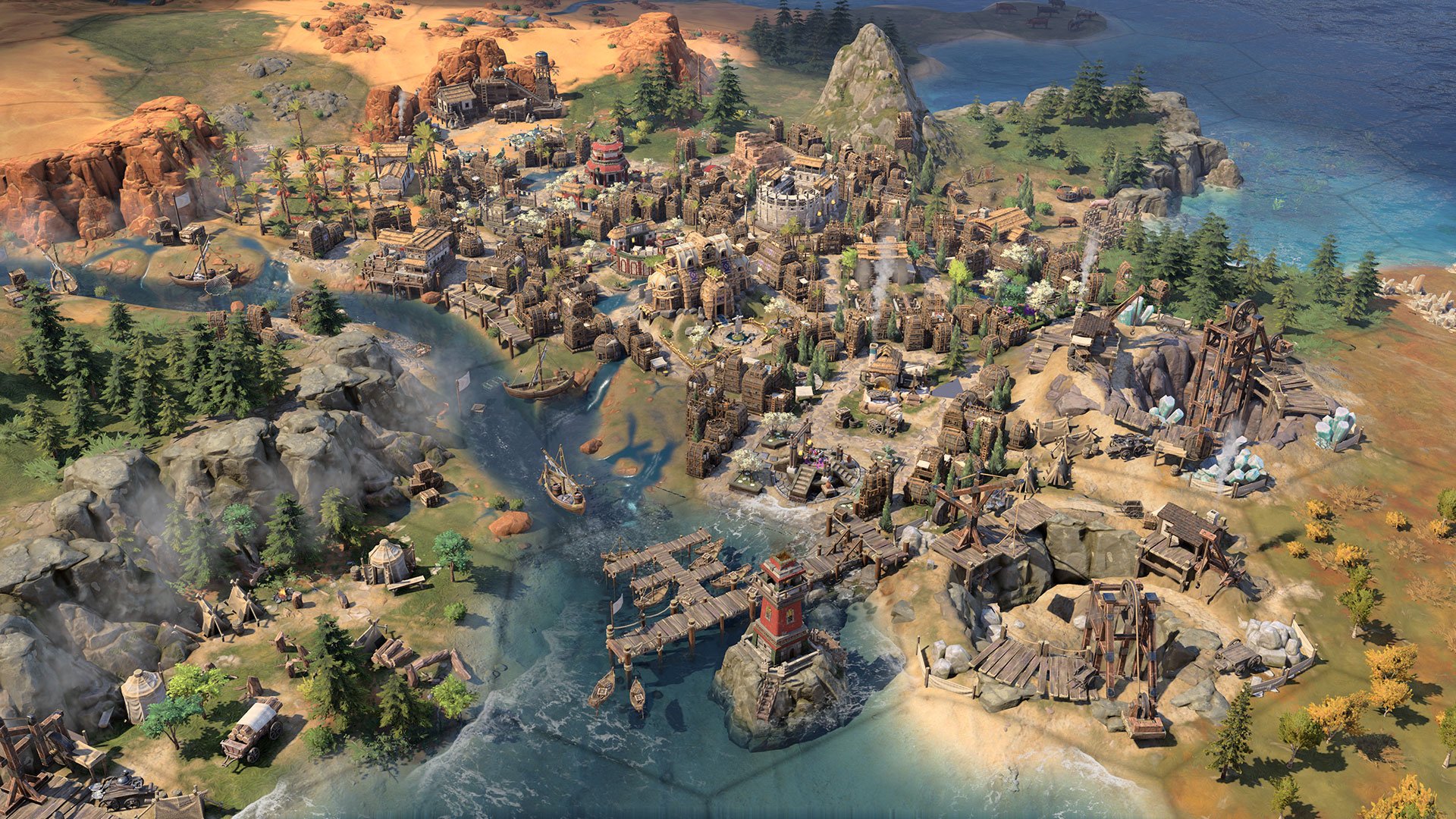
Simulation and world-building games let players create and control their own virtual worlds. These games range from city-builders to space exploration adventures, giving players tools to shape everything from tiny villages to entire galaxies. The best PC simulation and world-building games combine deep mechanics with creative freedom, allowing players to express themselves while managing complex systems.
These games appeal to players who enjoy both creative expression and strategic thinking. Some focus on realistic physics and true-to-life simulations, while others offer more fantastical settings where players can bend the rules of reality. The top games in this genre often support mods and custom content, extending their replay value for years.
1) Civilization: Beyond Earth
Civilization: Beyond Earth is a space-themed strategy game that takes the classic Civilization formula into the stars. Released by Firaxis Games, it lets players explore and colonize an alien planet.
The game offers different paths to victory through research, military might, and building wonders. Players can choose from various factions, each with unique bonuses that affect gameplay.
Beyond Earth includes an affinity system where players align with Harmony, Purity, or Supremacy ideologies. These choices change how units look and function as the game progresses.
While the game has solid mechanics, many fans feel it lacks the charm of its predecessor. It’s often described as competent but forgettable compared to the original Alpha Centauri.
Critics note that Beyond Earth seems simplified in some areas, possibly to make it more accessible for console players. The alien world doesn’t feel as rich or unique as fans hoped.
The game features tech webs instead of tech trees, giving players more freedom in research paths. This change adds strategy but can sometimes feel overwhelming.
Despite its shortcomings, Beyond Earth remains one of the notable PC simulation games. It offers many hours of gameplay with its expansions adding new features.
The game’s alien setting provides a fresh take on the Civilization formula. Strange new lifeforms, resources, and terrain types create interesting gameplay challenges.
For strategy fans looking for a sci-fi twist on the classic 4X formula, Beyond Earth delivers a solid experience. While not revolutionary, it offers engaging world-building in a space setting.
2) Elite: Dangerous
Elite: Dangerous stands out as a top-tier space simulation game in the PC gaming world. Released in 2014, this game is a modern remake of one of the oldest PC games simply titled “Elite.”
In Elite: Dangerous, players take control of their own starship in a vast galaxy. The game offers a cutthroat galaxy experience where you must navigate space, trade goods, and sometimes engage in combat.
The simulation aspect truly shines in the cockpit experience. Players who enjoy realistic cockpit simulations will find Elite: Dangerous extremely satisfying. The controls and physics aim to create an authentic space flight experience.
One of the game’s strongest features is how it lets players appreciate the vastness of space. The scale is impressive, with a full-sized Milky Way galaxy to explore.
Elite: Dangerous also works well with immersive setups. Gaming enthusiasts have created extensive guides for building immersive simulators specifically for this game, using multiple screens and flight controls.
The multiplayer aspect adds another layer to the experience. As a “massively multiplayer space epic,” players can interact with others across the galaxy, forming alliances or becoming rivals.
Since its 2014 launch, the game has received updates and expansions, adding new features and improving gameplay. The Horizons expansion added even more content to explore.
For fans of space games who want deep simulation rather than arcade-style gameplay, Elite: Dangerous offers a compelling option. Its focus on realism and detail makes it stand out in the simulation genre.
3) Evil Genius 2: World Domination
Evil Genius 2: World Domination brings back the fun spy-fi lair building experience as a direct sequel to the 2004 cult classic. Players step into the shoes of an Evil Genius with one goal: to take over the world.
The game lets you build your own unique evil lair complete with traps, minions, and all the villainous necessities. You’ll need to create a cover operation to hide your secret base while training criminal minions to do your bidding.
Defending your lair from the Forces of Justice is a key part of the gameplay. As your evil plans progress, more agents will try to infiltrate your base, requiring clever trap placement and strategic thinking.
The game features multiple genius characters to choose from, each with unique abilities and doomsday devices. This variety adds replay value as each villain offers a different approach to world domination.
Evil Genius 2 includes funny writing and lots of content, making it entertaining for hours. The satirical tone keeps the game lighthearted despite its villainous theme.
Some players note that while the game has good systems and nice updates to gameplay, it also includes some anti-fun elements. These can occasionally slow down the otherwise enjoyable experience.
The graphics are colorful and stylized, matching the game’s humorous tone perfectly. Character designs are exaggerated and cartoonish, fitting for a game that doesn’t take itself too seriously.
Evil Genius 2 earned recognition as one of the best PC simulation games, offering a unique twist on the base-building genre with its villain-centric approach.
4) Microsoft Flight Simulator
Microsoft Flight Simulator stands as one of the most realistic flying experiences you can have on a PC. The game lets players pilot various aircraft while exploring a world built using real map data.
The latest version uses Bing Maps data and Azure AI to create stunning visuals of our planet. This means you can fly over your house or visit famous landmarks that look just like they do in real life.
Weather conditions match real-world patterns. If it’s raining in New York in real life, it will be raining in the game too. This adds another layer of realism to each flight.
Beginners need not worry about the learning curve. The game offers assistance options that can make flying easier while you learn. You can turn these off later as your skills improve.
The aircraft selection in Microsoft Flight Simulator ranges from small training planes to massive commercial jets. Each plane handles differently and has detailed cockpits with working controls.
Flying around the world feels amazing with the game’s attention to detail. Cities look correct from above, and natural features like mountains and rivers appear where they should.
For those who enjoy the technical side, the simulator includes systems that mimic real aircraft operations. You can follow proper takeoff procedures, deal with emergencies, and communicate with air traffic control.
Regular updates add new planes and improve world details. The developers continue to refine the experience with community feedback.
While other flight sims might focus on combat or specific regions, Microsoft Flight Simulator excels at peaceful exploration of our entire planet.
5) Minecraft
Minecraft stands as one of the most popular building games ever created. This sandbox game gives players almost unlimited freedom to build anything they can imagine using different colored blocks.
The game has two main modes. Survival mode challenges players to gather resources and fight monsters. Creative mode gives players unlimited blocks and the ability to fly, perfect for building massive structures.
What makes Minecraft special is its simplicity. The blocky graphics may look basic, but they allow for amazing creativity. Players have built everything from small cottages to entire cities.
The world in Minecraft is randomly generated, making each playthrough unique. Mountains, oceans, forests, and deserts create diverse landscapes for players to explore and build in.
Multiplayer options let friends build together on shared servers. This social aspect has helped Minecraft become more than just a game—it’s a platform for creativity and teamwork.
Minecraft also supports mods, which are player-created additions that can change how the game works. Some add new building materials, while others add entire new systems to the game.
Since its release, Minecraft has sold over 200 million copies across all platforms. Its popularity has made it one of the most successful games in history.
The game receives regular updates adding new blocks, creatures, and features. These updates keep the gameplay fresh even for players who have been building for years.
For those interested in world-building games, Minecraft offers an excellent starting point. Its easy-to-learn controls and endless possibilities make it appealing to players of all ages.
6) No Man’s Sky
No Man’s Sky offers a vast universe to explore and build in. This sci-fi adventure game lets players discover planets, gather resources, and create their own bases across countless worlds.
The game features an excellent and deep building system that has evolved significantly since its launch. Players can construct complex structures ranging from simple shelters to elaborate bases with multiple rooms and functions.
What makes No Man’s Sky special is its procedurally generated universe. Every planet has unique landscapes, weather, and wildlife, giving builders endless creative possibilities for their constructions.
The game allows for both practical and artistic building approaches. Some players focus on creating functional bases with farms and mining operations, while others build purely for beauty.
No Man’s Sky also offers a peaceful building experience for those who prefer it. Players can use the game options to disable combat, making it ideal for relaxed construction sessions.
The building mechanics tie into the game’s exploration aspects. As players journey through space, they unlock new building parts and technology to enhance their bases.
Base building serves practical purposes too. A well-designed base provides protection from harsh environments and storage for collected resources.
No Man’s Sky is known for its beautiful journey through space element, which complements its building features. The stunning visuals make creating structures even more satisfying.
The game allows players to discover, explore, and survive while building their mark on the universe. This blend of activities keeps the gameplay fresh and engaging.
7) Frostpunk 2
Frostpunk 2 builds on the success of its predecessor as a challenging city builder set in a frozen post-apocalyptic world. The game, released in 2023, takes place 30 years after the events of the original game.
Unlike the first game, Frostpunk 2 shifts focus to district planning rather than individual buildings. Players now thaw snow and lay out districts instead of constructing single structures, creating a different approach to city management.
The game maintains its core identity as a society simulator where tough choices affect your citizens. Every decision has consequences that ripple through your frozen city’s social fabric.
Resource management remains critical. Players must balance coal, food, and other supplies while keeping their population alive in harsh conditions. The stakes feel higher as citizen needs grow more complex.
The visual design stands out with its beautiful but bleak aesthetic. Snow-covered landscapes and steam-punk inspired architecture create an immersive world that feels both hopeless and fascinating.
Frostpunk 2 excels in creating tension through its gameplay mechanics. The constant struggle between survival needs and moral choices keeps players engaged for hours.
For fans of similar games, Frostpunk 2 offers a unique experience that few other titles match. While games like Banished and Aven Colony share some elements, the moral weight of decisions in Frostpunk 2 sets it apart.
The game continues the developer’s tradition of exploring themes of balance and perseverance in harsh conditions. Players who enjoy being tested both strategically and morally will find much to appreciate.
8) Planet Coaster 2
Planet Coaster 2 takes theme park simulation to new heights. Released as the sequel to the popular original game, it lets players build and manage their dream amusement parks with incredible detail.
The game adds water parks to the mix, allowing you to create a splash with thrilling water slides alongside traditional roller coasters. This fresh addition brings a whole new dimension to park design and guest entertainment.
Management aspects remain central to gameplay. You’ll need to balance finances, keep visitors happy, and make smart decisions to grow your park empire. The game rewards creativity while testing your business skills.
Building tools are more powerful than ever. You can customize roller coasters and water slides with precise control, crafting unique experiences for virtual guests. The construction system is flexible yet easy to learn.
Guest AI has improved, making park visitors react more realistically to your creations. They have clear preferences and will let you know what they think about your attractions through their actions and spending habits.
The visual quality jumps ahead of its predecessor. Parks come alive with vibrant colors, detailed models, and smooth animations that make watching your creation in action a joy.
Planet Coaster 2 strikes a nice balance between fun and challenge. It blends strategy game design elements with creative freedom, appealing to both serious simulation fans and casual builders.
The sharing features let you download other players’ creations or show off your own masterpieces. This community aspect extends the game’s lifespan and provides inspiration when you need fresh ideas.
9) Surviving Mars
Surviving Mars is a colony building simulator that puts players in charge of establishing the first human settlement on the red planet. Players must carefully manage resources and overcome unique challenges that come with living on an alien world.
The game stands out in the simulation genre by blending city-building elements with survival mechanics. Players need to secure oxygen, water, and food while protecting colonists from Mars’ harsh environment.
Unlike other city builders, Surviving Mars focuses on both infrastructure and human needs. Every decision matters as poor planning can quickly lead to disaster for your space colonists.
Many gamers consider it one of the best simulation strategy games available on PC. The game offers deep gameplay without becoming overly complex.
Players start with robotic drones and must build basic structures before humans can arrive. This creates a satisfying progression as your colony grows from a few domes to a thriving Martian city.
The mystery system adds extra replay value. Each playthrough can include different events and storylines that change how you approach colony development.
Resource management in Surviving Mars feels balanced and engaging. The game gives players plenty to work with without feeling shallow like some other titles in the genre.
The game features beautiful visuals that capture Mars’ desolate beauty. Watching dust storms roll across your colony creates a strong sense of place and danger.
Surviving Mars challenges players to think ahead and create sustainable systems. Success comes from careful planning and adapting to unexpected problems.
10) Teardown
Teardown offers a unique twist on simulation games with its fully destructible voxel world. Players can break, smash, and demolish nearly everything in sight.
The game combines sandbox freedom with mission-based gameplay. You’ll plan heists by creating shortcuts through buildings using vehicles, explosives, or any tools at your disposal.
What makes Teardown special is how it turns destruction into a puzzle element. You need to think strategically about which walls to break and paths to create before triggering alarms.
The physics system feels incredibly satisfying. Watching structures collapse realistically after you’ve weakened their supports creates a genuine sense of cause and effect.
Players can drive vehicles through buildings, use grappling hooks to swing between structures, and experiment with different tools. The game rewards creativity in solving problems.
Visually, Teardown balances simple voxel graphics with impressive lighting effects. Fire spreads realistically, water flows naturally, and smoke billows convincingly through the environment.
The Steam community has embraced Teardown’s modding capabilities. Players create custom maps, vehicles, and game modes that extend the game’s life well beyond its campaign.
Some players find that the sandbox aspect outshines the mission gameplay. The freedom to just break things often proves more fun than completing objectives.
Updates have improved Teardown since its release, adding new tools and features. The developers continue to refine what many consider one of the best destruction games available.
Understanding PC Simulation and World Building Games
Simulation and world building games offer players control over virtual environments with varying levels of realism and creativity. These games range from realistic simulators to sandbox experiences where players build entire civilizations or cities.
Defining Simulation and World Building Genres
Simulation games aim to recreate real-world activities or systems. They let players experience activities they might not try in real life. PC Building Simulator is a perfect example, allowing players to build virtual computers with real-world components.
World building games focus on creating and managing environments. These include city builders, civilization games, and sandbox titles. Players can shape landscapes, manage resources, and watch their creations grow.
The line between these genres often blurs. Many games combine simulation elements with world building features. This creates deeper gameplay where players both build worlds and manage simulated systems within them.
These games appeal to players who enjoy control, creativity, and strategic thinking. They offer freedom to experiment without real-world consequences.
Core Elements and Mechanics
Most simulation and world building games share key features that make them engaging. Resource management sits at the heart of these games. Players must gather, spend, and balance various resources to progress.
Cause and effect systems are crucial. Player decisions have clear impacts on the game world. This might mean building an empire or simply managing a train schedule.
Common mechanics include:
- Construction tools for building structures
- Economic systems that model supply and demand
- AI populations that respond to player actions
- Progress systems that unlock new content
Freedom of choice is essential in these games. The best titles give players multiple ways to achieve goals. This creates personal experiences where no two players have identical outcomes.
Graphics vary widely across the genre. Some games prioritize realism while others use stylized visuals. What matters most is that the presentation helps players understand the systems they’re controlling.
Creative Freedom and Customization
Simulation games give players the power to shape their own experience. Players can build cities from scratch, design theme parks, or create unique characters with distinct personalities.
The freedom to make choices is what makes these games special. In titles like The Sims or Cities: Skylines, there are no strict win conditions—just the joy of watching your creation grow and change.
Many players enjoy the emergent gameplay that comes from these open systems. When game elements interact in unexpected ways, surprising and fun moments happen naturally.
The best world-building games balance guidance with freedom. They provide tools and resources while letting players express themselves however they want.
Realism and Attention to Detail
Immersive sims stand out because of their incredible attention to detail. Games like Prey and Dishonored 2 create worlds where every object feels like it has a purpose.
These games reward exploration and experimentation. Players who pay attention to their surroundings often discover multiple ways to solve problems or reach objectives.
The most impressive simulation games recreate real-world systems with stunning accuracy. Flight Simulator lets players experience realistic weather patterns while Farm Simulator models actual farming equipment down to the smallest details.
Physical simulations add another layer of realism. When objects break, fall, or interact as they would in real life, the game world feels more believable and engaging.
Many players appreciate how these games let them experience activities or places they couldn’t in real life.
Technical Considerations
Playing simulation and world-building games requires the right hardware setup and optimization tricks. These games often demand more from your computer than other genres due to their complex calculations and large worlds.
Hardware Requirements
Most simulation games are CPU-intensive rather than graphics-heavy. While modern games like SimCity require both processing power and decent graphics, the CPU handles most of the background calculations.
Recommended specs for most simulation games:
- CPU: Intel Core i5/i7 or AMD Ryzen 5/7 (3.2GHz or higher)
- RAM: 16GB minimum
- GPU: Mid-range card with 6GB+ VRAM
- Storage: SSD for faster loading times
More complex titles like Cities: Skylines with many mods or Planet Zoo with high animal counts need stronger CPUs. RAM is especially important as these games load large amounts of data.
Entry-level gaming PCs can run basic simulation games, but larger maps or higher populations will cause slowdowns.
Performance Optimization Tips
Simulation games often slow down as your world grows bigger. Here are ways to keep things running smoothly:
In-game settings to adjust:
- Reduce view distance/rendering range
- Lower physics simulation quality
- Decrease NPC/agent count caps
- Turn off decorative effects
Use mods wisely. While they add features, they can drastically impact performance. Start with bare essentials and add more gradually.
Regular saves help prevent progress loss during crashes. Many simulation games offer auto-save features – use them!
Monitor your computer’s temperature during long play sessions. These games can push CPUs hard, causing thermal throttling. Proper cooling helps maintain consistent performance in building and management games.
Consider closing background applications to free up RAM and CPU resources when playing complex simulations.
Frequently Asked Questions
Simulation and world-building games offer diverse experiences from city planning to space exploration. Players often have specific questions about which titles best suit their interests and gaming setups.
Which PC game offers the most detailed world-building experience?
Minecraft remains the gold standard for detailed world-building on PC. Its virtually infinite procedurally generated worlds give players unmatched freedom to create.
The game’s robust modding community has expanded its building capabilities far beyond the base game. Players can craft everything from simple homes to functioning computers within the game world.
Civilization: Beyond Earth also offers deep world-building through its colony development systems. Players shape entire planets according to their vision, dealing with alien ecosystems and advanced technology trees.
What are the top-rated simulation games for PC as of 2026?
Microsoft Flight Simulator continues to dominate the simulation genre in 2026. Its photorealistic graphics and accurate flight physics make it the ultimate pilot experience for aviation enthusiasts.
Elite: Dangerous remains popular for space simulation fans. The 1:1 scale Milky Way galaxy provides an immersive experience for players who enjoy exploring star systems and engaging in space commerce.
Evil Genius 2: World Domination has gained a strong following for its unique villain-focused simulation. Players build elaborate lairs and manage minions while executing diabolical plans.
Are there any free simulation and world-building games for PC that are highly regarded?
RimWorld offers a free demo that showcases its deep colony simulation systems. The full game costs money, but the demo gives players a solid taste of its complex world-building mechanics.
OpenTTD stands as a completely free transport simulation game with dedicated fans. This open-source remake of Transport Tycoon Deluxe lets players build intricate transportation networks without spending a dime.
Cities: Skylines also periodically offers free weekends and base game discounts that make it accessible to budget-conscious gamers interested in city-building.
Can you recommend any PC games that combine simulation with complex world-building elements?
Factorio blends factory simulation with world-building in a unique way. Players must build and manage increasingly complex production lines while defending against hostile native life forms.
Oxygen Not Included challenges players to build sustainable colonies inside asteroids. The game combines resource management, physics simulation, and colony building in a challenging package.
Satisfactory offers first-person factory building on an alien planet. Players construct massive industrial complexes while exploring a beautiful open world filled with resources and dangers.
What are the best simulation games available on Android devices that also feature world building?
Minecraft Pocket Edition brings most of the PC version’s world-building tools to mobile devices. The touch controls work surprisingly well for building and exploring.
Stardew Valley offers farm simulation with community building elements. Players can customize their farms and develop relationships with townspeople, all on their Android devices.
TheoTown provides city-building simulation in a pocket-sized package. The game allows players to design detailed urban environments with transportation networks and various zoning options.
How do real-life simulation games for PC compare to other genres in terms of popularity?
Simulation games consistently rank among Steam’s top sellers. Microsoft Flight Simulator and Farming Simulator regularly appear in sales charts alongside action and adventure titles.
The simulation genre attracts dedicated players who often spend hundreds of hours in a single game. This devoted player base makes simulations a steady market segment even when they don’t generate the headlines of bigger releases.
Simulation games also tend to have longer shelf lives than other genres. Games like Cities: Skylines continue selling years after release, often supported by robust DLC strategies and active modding communities.