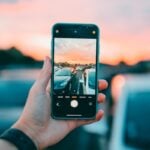
Live Photos on iPhones capture 1.5 seconds of video and audio before and after you take a picture. While this feature adds life to your memories, it also takes up more storage space. You can turn off Live Photos by tapping the Live Photo icon (circles with dashed lines) in the top-right corner of your iPhone camera app until a line appears through it.
If you want to disable Live Photos permanently, there’s a setting for that too. You need to go to Settings > Camera > Preserve Settings and turn on the Live Photo switch. This tells your iPhone to remember your last Live Photo setting, so if you turn it off once, it stays off until you decide to turn it back on.
Turning off Live Photos not only saves storage space but also helps your iPhone run faster when taking pictures. This small change can make a big difference, especially if you take lots of photos or have an older iPhone model with less storage space.
How to Turn Off Live Photos on iPhone and Android Devices (2026)
Live Photos can capture magical moments with movement and sound, but they also take up significantly more storage space, can be distracting when reviewing images, and aren’t always ideal for every situation. Whether you’re trying to conserve space, improve photo sharing compatibility, or simply prefer traditional still images, this comprehensive guide will show you how to disable Live Photos on both iPhone and Android devices.
Understanding Live Photos
Before we dive into disabling them, here’s what you need to know:
What are Live Photos?
- 1.5 seconds of video before and after you press the shutter
- Audio recording during that time
- File size roughly 2x larger than standard photos
- Creates both JPEG and MOV files
- Introduced by Apple in 2015, now common across platforms
Why you might want to turn them off:
- Save significant storage space (approximately 50% per photo)
- Faster photo processing and saving
- Better compatibility when sharing with non-Apple devices
- Avoid capturing unwanted audio or movement
- Improve battery life during extended photo sessions
- Cleaner photo library for professional work
How to Turn Off Live Photos on iPhone (iOS 26)
Method 1: Disable Directly in Camera App (Temporary)
This is the quickest way to turn off Live Photos for your current session:
Steps:
- Open the Camera app
- Look at the top of the screen for the Live Photo icon (concentric circles)
- Tap the Live Photo icon once
- The icon will have a line through it, indicating Live Photos are OFF
- Take your photos normally
Note: This setting persists for your current Camera session but may reset when you close and reopen the Camera app, depending on your settings.
Method 2: Disable Live Photos Permanently
To turn off Live Photos by default every time you open the Camera app:
Steps:
- Open Settings
- Scroll down and tap “Camera”
- Under the “Composition” section, find “Preserve Settings”
- Tap “Preserve Settings”
- Toggle ON “Live Photo”
- Return to Camera app and turn off Live Photos (using Method 1)
- Now Live Photos will stay off every time you open the Camera
What this does: When “Preserve Settings” is enabled for Live Photo, the Camera app remembers your last Live Photo setting (on or off) instead of defaulting back to on.
Method 3: Disable for Specific Camera Modes
As of iOS 26, you can set Live Photo preferences for different modes:
Steps:
- Open Camera app
- Switch to your desired mode (Photo, Portrait, etc.)
- Disable Live Photos for that mode
- With Preserve Settings enabled, each mode remembers its setting
Camera modes that support Live Photos:
- Photo mode ✓
- Portrait mode ✓
- Night mode ✓ (when available)
- Selfie mode ✓
- Cinematic mode ✗ (video)
- Pano mode ✗ (doesn’t support Live Photos)
Method 4: Using Siri Shortcuts (Advanced)
Create an automation to disable Live Photos:
Steps:
- Open Shortcuts app
- Go to “Automation” tab
- Tap “+” to create new automation
- Choose “When I open Camera”
- Add Action → Search for “Set Live Photo”
- Choose “Turn Live Photo Off”
- Disable “Ask Before Running”
- Save
Now Live Photos automatically turn off whenever you open the Camera app.
Method 5: Control Center Quick Access
Add Live Photo toggle to Control Center for easy access:
Steps:
- Open Settings
- Tap “Control Center”
- Scroll to “More Controls”
- Find “Camera” and tap the “+” icon
- Now swipe down from the top-right corner (or up from bottom on older iPhones)
- Long-press the Camera icon
- Tap “Live Photo Off” to quickly adjust the setting
How to Turn Off Live Photos on Android Devices (2026)
Android devices from various manufacturers have implemented Live Photo equivalents with different names. Here’s how to disable them across major brands:
Samsung Galaxy Devices (Motion Photos)
Samsung calls their version “Motion Photos.”
Method 1: In Camera App
- Open Camera app
- Look at the top toolbar for the Motion Photo icon (concentric circles or animation icon)
- Tap the Motion Photo icon to disable it
- Icon will appear crossed out or grayed out
Method 2: Settings
- Open Camera app
- Tap the Settings gear icon
- Find “Motion photo” or “Scene optimizer”
- Toggle OFF “Motion photo”
- Setting will persist across sessions
Samsung-specific tip: If you use “Scene Optimizer,” motion photos may automatically enable. Go to Camera Settings > Scene Optimizer > Toggle off “Motion Photo” within Scene Optimizer settings.
Google Pixel Devices (Motion Photos/Top Shot)
Google Pixel phones have evolved their approach with Motion Photos and Top Shot features.
Method 1: Disable Motion Photos
- Open Google Camera app
- Tap the Settings arrow (top right or swipe)
- Tap Settings gear icon
- Select “Advanced”
- Find “Motion photos” or “Motion”
- Toggle OFF
Method 2: Disable Top Shot (Pixel-specific)
- Open Google Camera app
- Tap Settings
- Find “Top Shot”
- Toggle OFF
Note: As of Pixel 9 (2026), Google has consolidated motion features under “Motion photos” in settings, making it simpler to control.
OnePlus Devices (Motion Photos)
Steps:
- Open Camera app
- Tap the three dots (⋮) or settings icon
- Find “Motion Photo” or “Moving Photo”
- Toggle OFF
- Alternatively, tap the motion icon in the camera viewfinder
Xiaomi/Redmi Devices (Motion Detection)
Xiaomi calls this feature “Motion Detection” or “Motion Photos.”
Steps:
- Open Camera app
- Tap the three-line menu icon (hamburger menu)
- Select “Settings”
- Find “Motion detection” or “Motion photos”
- Toggle OFF
Alternative:
- In Camera app, look for Motion icon at top of screen
- Tap to disable (icon should be crossed out)
Oppo/Realme Devices (Dazzle Color Mode)
Steps:
- Open Camera app
- Tap Settings (gear icon)
- Find “Dazzle color mode” or “Motion photo”
- Toggle OFF
Motorola Devices (Motion Photos)
Steps:
- Open Camera app
- Tap Settings icon
- Find “Motion photo” under Camera settings
- Toggle OFF or set to “Never”
Vivo Devices (Motion Auto Capture)
Steps:
- Open Camera app
- Tap Settings
- Find “Motion auto capture”
- Toggle OFF
Universal Android Tips (2026)
Check Your Default Camera App
Many Android devices in 2026 support third-party camera apps that may have their own live photo settings:
Popular apps:
- Google Camera (GCam): Settings → Advanced → Motion Photos OFF
- Open Camera: Settings → Video settings → Disable motion detection
- Adobe Lightroom Camera: Generally doesn’t support motion photos by default
- Pro Camera apps: Usually off by default
Storage Settings Check
Some Android devices have system-wide settings:
Steps:
- Open Settings
- Tap “Apps” or “Applications”
- Find “Camera”
- Tap “Storage” or “Permissions”
- Look for media-related toggles that might affect motion capture
Converting Existing Live Photos to Still Images
Already have Live Photos you want to convert? Here’s how:
On iPhone
Method 1: Individual Photos
- Open Photos app
- Select a Live Photo
- Tap “Edit”
- Tap the Live Photo icon (top left)
- Tap “Done”
The Live Photo becomes a still image (the original Live Photo is preserved in “Recently Deleted” for 30 days).
Method 2: Bulk Conversion
- Open Photos app
- Tap “Select”
- Choose multiple Live Photos
- Tap Share button
- Choose “Save as Still Photo” or use “Duplicate” then edit
Method 3: Using Shortcuts
- Open Shortcuts app
- Create new Shortcut
- Add action “Select Photos”
- Add action “Convert Live Photo to Photo”
- Add action “Save to Photo Album”
- Run the shortcut whenever needed
On Android (Samsung Example)
Method 1: Individual Photos
- Open Gallery
- Select a Motion Photo
- Tap the Motion icon (animated icon indicator)
- Choose “Save as still image”
Method 2: Using Google Photos
- Open Google Photos
- Select Motion Photo
- Tap three dots (⋮)
- Choose “Export” or “Save as still image”
Storage Space You’ll Save
Here’s approximately how much space you’ll reclaim:
Per 100 photos:
- iPhone: Live Photos = ~600MB | Still Photos = ~300MB
- Savings: ~300MB per 100 photos
- Android: Motion Photos = ~500MB | Still Photos = ~250MB
- Savings: ~250MB per 100 photos
For 1,000 photos:
- Potential savings: 2-3GB
For 10,000 photos:
- Potential savings: 20-30GB
When You Might Want Live Photos ON
While this guide focuses on turning them off, Live Photos have their place:
Best situations for Live Photos:
- Children’s candid moments
- Action shots (sports, pets)
- Group photos (capture everyone’s expressions)
- Special events (weddings, graduations)
- Behind-the-scenes content for social media
- When you want to extract the best frame later
Pro tip: Instead of leaving them on all the time, enable them selectively using the quick toggle methods above.
Troubleshooting Common Issues
Live Photos Keep Turning Back On (iPhone)
Solution:
- Ensure “Preserve Settings” is enabled for Live Photo (Settings → Camera → Preserve Settings)
- Check if Camera is part of a Focus Mode that resets settings
- Update to latest iOS version
- Reset Camera settings: Settings → Camera → Reset Settings
Motion Photos Won’t Disable (Android)
Solutions:
- Update Camera app via Play Store
- Clear Camera app cache: Settings → Apps → Camera → Storage → Clear Cache
- Check if third-party app is overriding settings
- Disable Scene Optimizer or AI features that may force motion capture
- Factory reset Camera app data (will reset all camera settings)
Photos Still Taking Up Too Much Space
Check for:
- iCloud Photos keeping originals on device
- Duplicate photos from conversions
- Videos being counted as photos
- RAW + JPEG files (if you enabled RAW capture)
- Hidden or Recently Deleted albums
Best Practices for 2026
1. Create Camera Presets
iPhone: Use Shortcuts to create different camera modes:
- “Professional Mode” (Live Photos OFF, RAW ON)
- “Quick Snap” (Live Photos OFF, fastest settings)
- “Memory Mode” (Live Photos ON, High Quality)
Android: Many Android cameras now support custom modes:
- Save different configurations per scenario
- Quick-switch between them
2. Use Smart Storage Management
iPhone Options:
- Optimize iPhone Storage (Settings → Photos → Optimize iPhone Storage)
- Keeps smaller versions on device, full resolution in iCloud
- Automatically manages space as storage fills
- Downloads full resolution only when needed
- Review Large Attachments: Settings → General → iPhone Storage → Review Large Attachments
- Auto-delete screenshots: Set up Shortcuts automation to delete screenshots older than 30 days
- Use “Free Up Space” feature in Photos app (appears when storage is low)
Android Options:
- Google Photos Backup: Set to “Storage saver” or “Express backup” quality
- Automatically backs up and allows you to free device storage
- Go to Google Photos → Settings → Backup → Backup quality
- Smart Storage (Pixel devices): Settings → Storage → Smart Storage
- Automatically removes backed-up photos after 60 days
- Samsung Cloud: Similar functionality for Galaxy devices
- Files by Google: Automatically suggests old photos/videos to delete
Pro Tip: Even with Live Photos disabled, regularly review and delete:
- Duplicate photos
- Blurry or failed shots
- Screenshots you no longer need
- Old downloads
3. Set Up Automation
iPhone Shortcuts Examples:
“Disable Live Photos When Low on Storage”
- Open Shortcuts → Automation
- When: Storage falls below 20%
- Action: Set Live Photo to OFF
- Action: Send notification “Live Photos disabled to save space”
“Enable for Events”
- Open Shortcuts → Automation
- When: Arriving at specific location (e.g., kid’s school)
- Action: Set Live Photo to ON
- When: Leaving location
- Action: Set Live Photo to OFF
Android Tasker/Automation Apps:
- Tasker (paid app): Create profiles that disable motion photos based on battery, storage, or location
- MacroDroid (freemium): Similar functionality with easier interface
- Bixby Routines (Samsung): Built-in automation for camera settings
4. Consider Your Audience
Disable Live Photos when:
- Sharing to social media (most platforms convert to still anyway)
- Sending via email or messaging apps
- Professional photography work
- Taking product photos for listings
- Creating documents or notes
Keep them enabled when:
- Capturing family memories
- You might want to create loops or bounces later
- Shooting action where timing is critical
- Creating content specifically for platforms that support them
Advanced Tips and Features
Extract the Best Frame from Existing Live Photos
Before converting all your Live Photos to stills, you can extract the best frame:
iPhone:
- Open Live Photo
- Tap “Edit”
- Tap the Live Photo button
- Scrub through frames using the slider
- Tap “Make Key Photo” when you find the best frame
- Tap “Done”
This keeps it as a Live Photo but changes which frame displays as the still image.
Android (Google Photos):
- Open Motion Photo
- Tap Edit
- Tap the frame icon
- Scroll through frames
- Select best frame
- Save as new photo or replace original
Create Effects from Live Photos (Before Disabling)
If you have existing Live Photos, maximize their value:
iPhone Effects:
- Open Live Photo
- Swipe up or tap “Live” at top
- Choose effect:
- Loop: Seamless video loop
- Bounce: Forward-backward loop
- Long Exposure: Artistic blur effect
- Live Photo: Standard (original)
Android (Google Photos):
- Motion Stills feature automatically creates loops and stabilizes
- Cinematic Moments creates short highlights
- Animation feature creates GIFs from motion photos
Third-Party Apps for Better Control
iPhone Apps:
- Halide Camera: Professional camera with granular Live Photo control
- ProCamera: Toggle Live Photos per shooting mode
- Adobe Lightroom Camera: Doesn’t use Live Photos by default
- VSCO: Still photos only, no Live Photo support
Android Apps:
- Moment Pro Camera: Advanced controls, motion photos optional
- Camera FV-5: Manual controls, no motion features
- Adobe Lightroom: Professional controls without motion capture
- Open Camera: Free, highly configurable, motion photos optional
Privacy and Battery Considerations
Privacy Benefits of Disabling Live Photos
Audio Recording:
- Live Photos capture audio for 3 seconds total
- Can accidentally record:
- Private conversations
- Location identifiers (sirens, announcements)
- Background sounds you don’t want captured
- Other people’s voices without consent
Metadata:
- Live Photos contain more metadata
- Movement patterns might reveal information
- Longer recording window captures more context
Sharing Safety:
- When you share Live Photos, recipients get the full video
- Screenshots from your phone might include motion data
- Some platforms strip Live Photo data, others don’t
Battery Impact
Power consumption differences:
- Live Photos use approximately 10-15% more battery during extended shooting sessions
- Processing and saving takes longer
- Image stabilization works harder
- Audio recording adds minimal drain but contributes
For all-day shooting:
- Disabling Live Photos can add 1-2 hours of additional camera use time
- Particularly noticeable when taking dozens or hundreds of photos
- Combine with Low Power Mode for maximum efficiency
Quick Reference Tables
Feature Names by Manufacturer (2026)
| Manufacturer | Feature Name | Default Setting |
|---|---|---|
| Apple | Live Photos | ON |
| Samsung | Motion Photos | ON |
| Google Pixel | Motion Photos | ON |
| OnePlus | Motion Photo | ON |
| Xiaomi | Motion Detection | ON |
| Oppo/Realme | Dazzle Color/Motion | ON |
| Motorola | Motion Photos | ON |
| Vivo | Motion Auto Capture | ON |
| Sony | Motion Eye | Varies |
| Asus | Motion Tracking | OFF |
File Size Comparison
| Photo Type | iPhone (12MP) | Android (12MP) | iPhone (48MP) | Android (50MP) |
|---|---|---|---|---|
| Still Photo | 2-3MB | 2-3MB | 8-12MB | 10-15MB |
| Live/Motion Photo | 5-6MB | 4-5MB | 15-20MB | 18-25MB |
| Space Saved by Disabling | ~3MB | ~2MB | ~8MB | ~10MB |
Settings Location Quick Guide
| Device | Path to Disable |
|---|---|
| iPhone | Camera app → Tap Live Photo icon (top) → Disable |
| iPhone (Permanent) | Settings → Camera → Preserve Settings → Toggle “Live Photo” ON |
| Samsung Galaxy | Camera → Settings gear → Motion photo → OFF |
| Google Pixel | Camera → Settings → Advanced → Motion photos → OFF |
| OnePlus | Camera → Three dots → Motion Photo → OFF |
| Xiaomi | Camera → Settings → Motion detection → OFF |
Frequently Asked Questions
Q: Will disabling Live Photos affect photo quality? A: No, disabling Live Photos only removes the video component. Your still photo quality remains exactly the same and uses your camera’s full resolution.
Q: Can I selectively keep Live Photos for some photos but not others? A: Yes! Toggle Live Photos on/off before each shot, or use the Preserve Settings feature so it remembers your last choice. You can mix and match in your photo library.
Q: What happens to Live Photos I’ve already taken? A: They remain as Live Photos unless you manually convert them. Disabling the feature only affects new photos going forward.
Q: Do Live Photos work when shared to non-Apple devices? A: When you share Live Photos to Android or Windows users, they typically see only the still image. The motion component is usually stripped unless you share via specific apps that support the format (like Google Photos).
Q: Will turning off Live Photos speed up my camera? A: Yes, slightly. Photos will save faster (no video processing needed), and the Camera app will be more responsive, especially on older devices or when storage is nearly full.
Q: Can I turn off Live Photos for selfies but keep them for back camera? A: Not directly through iOS/Android settings, but with the Preserve Settings feature, each camera (front/back) remembers its last Live Photo setting independently in some implementations.
Q: Do professional photographers use Live Photos? A: Rarely for final deliverables, but some use them to ensure they capture the perfect moment, then extract the best frame. Most professional work uses RAW format without Live Photos.
Q: How much battery life will I actually save? A: For typical daily use (5-20 photos), the difference is negligible—maybe 1-2%. For heavy shooting sessions (100+ photos), you might save 10-15% battery by disabling Live Photos.
Q: Are there any Android phones that don’t have motion photos? A: Some budget Android phones and phones focused on privacy/minimalism don’t include motion photo features. Most mid-range and flagship devices in 2026 include some version of the feature.
Q: Can I recover the motion from a Live Photo I converted to still? A: If it’s still in “Recently Deleted” within 30 days, you can recover the original. After 30 days or if permanently deleted, the motion data is gone forever.
Conclusion: Finding Your Live Photo Balance
Live Photos and their Android equivalents can capture wonderful moments with movement and sound, but they’re not ideal for every situation. Now that you know how to easily toggle them on and off across all major platforms, you can make strategic decisions:
Turn them OFF when:
- Storage space is limited
- Battery life is critical
- Sharing photos with others
- Taking documentary or professional photos
- Privacy is a concern
- You want faster camera performance
Turn them ON when:
- Capturing unpredictable moments (kids, pets, action)
- You want to choose the best frame later
- Creating content for social media effects
- Special occasions where you want memories with movement
- You have plenty of storage available
The best approach for most people in 2026:
- Keep Live Photos off by default using the Preserve Settings method
- Enable them selectively for special moments with a quick tap
- Regularly review and convert old Live Photos you don’t need as motion files
- Use cloud backup with storage management to keep your device optimized
By taking control of this feature rather than leaving it on automatic, you’ll save significant storage space, improve your camera’s performance, and ensure your photo library contains exactly what you want—whether that’s still images, living moments, or a thoughtful combination of both.
Remember: The goal isn’t to never use Live Photos, but to use them intentionally rather than by default. With the methods in this guide, you now have complete control over when and how your camera captures motion, putting you in charge of your storage, battery life, and photographic style.
Key Takeaways
- Live Photos can be turned off by tapping the circular icon in the camera app or through Settings > Camera > Preserve Settings.
- Disabling Live Photos saves storage space on your iPhone and may improve camera performance.
- You can still use Live Photos when needed by simply toggling the feature back on in your camera app.
Understanding Live Photos
Live Photos blend still images with short video clips to create dynamic memories. This feature captures 1.5 seconds before and after pressing the shutter button on compatible iPhones.
What Are Live Photos
Live Photos are special images that record what happens 1.5 seconds before and after you take a picture on your iPhone. When you press the shutter button, your iPhone doesn’t just capture one still moment—it records a mini-video with sound.
This feature was first introduced with the iPhone 6S in 2015. Live Photos look like regular photos in your gallery, but they come to life when you press and hold them.
The file size of a Live Photo is about twice the size of a standard photo. This is important to know if you’re concerned about storage space on your device.
Live Photos work in most photo modes including portrait mode and can be edited just like regular photos.
Benefits and Considerations
Live Photos help capture context and movement that might be missed in still shots. They’re perfect for catching a child’s laugh, a pet’s cute movement, or waves crashing on the beach.
You can create special effects with Live Photos. The iPhone allows you to turn these moving images into loops, bounces, or long exposure shots with just a few taps.
When sharing Live Photos, remember that not all platforms support this format. Some social media sites will convert them to still images or short videos.
Battery life can be affected when using Live Photos frequently. The camera needs to constantly buffer video when open with Live Photos enabled.
Storage space is another concern. If you’re running low on space, turning off Live Photos can help conserve storage on your iPhone.
Disabling Live Photos on iPhone
Live Photos can be turned off on your iPhone in two simple ways. You can either use the Camera app directly or change your settings to make the change permanent.
Using the Camera App
The quickest way to stop taking Live Photos is through the Camera app itself. When you open your Camera app, you’ll see the Live Photos icon at the top of the screen. This icon looks like a circle with smaller circles inside.
To turn off Live Photos for a single photo:
- Open your Camera app
- Look for the Live Photos icon (yellow when active)
- Tap the icon so it shows a line through it
This turns off Live Photos for your current session. The icon will change from yellow to white with a line through it when disabled.
Remember that your iPhone may turn Live Photos back on when you restart the Camera app. This happens because your phone tries to give you the best photo experience by default.
Adjusting Preserve Settings
If you want to permanently turn off Live Photos, you’ll need to change your Preserve Settings. This makes your iPhone remember your preference.
To permanently disable Live Photos:
- Open the Settings app on your iPhone
- Scroll down and tap “Camera”
- Tap “Preserve Settings”
- Turn on the switch next to “Live Photo”
When this setting is on, your iPhone will remember your Live Photos preference between Camera app sessions. This means if you turn off Live Photos in the Camera app, it will stay off until you choose to turn it back on.
Many iPhone users don’t know about this setting, which is why their Live Photos keep turning back on. Once you change this setting, you won’t have to worry about accidentally taking Live Photos anymore.
The Impact on Storage Space
Live Photos take up more storage space than regular photos on your iPhone. Each Live Photo is actually a 3-second mini video (1.5 seconds before and after you press the shutter), which requires extra space.
When storage is tight on your iPhone, turning off Live Photos can help free up space. A standard Live Photo can use about twice the storage of a regular still image.
This extra storage adds up quickly! If you take 100 photos with Live Photos on, you might use 200MB instead of 100MB for regular photos.
You can check how much space Live Photos are using by going to Settings > General > iPhone Storage. Look for the Photos app to see its total usage.
iPhone users with smaller storage capacity (like 64GB models) should consider turning off Live Photos to save space. This feature is on by default but can be disabled with a simple tap.
For photos you’ve already taken, you can also convert existing Live Photos to still images. This will free up storage space after the conversion.
If you love Live Photos but worry about storage, consider using the “Optimize iPhone Storage” option in your iCloud settings. This keeps smaller versions on your phone while storing full-quality versions in iCloud.
Remember that disabling Live Photos only affects new pictures you take. Your existing Live Photos will remain unchanged unless you convert them manually.
Handling Live Photos on Other Devices
Live Photos aren’t just limited to your iPhone. You can view and manage these moving images on computers and even some Android devices with the right tools and methods.
Transferring Live Photos to a Computer
Moving Live Photos from your iPhone to your computer keeps both the still image and video components intact. On a Mac, use AirDrop or the Photos app for the simplest transfer. The Photos app on Mac fully supports Live Photos, allowing you to view and edit them just like on your iPhone.
For Windows computers, you can use iCloud Photos if you have it set up. Sign in to iCloud.com or use the iCloud for Windows app to download your Live Photos. Another option is connecting your iPhone directly to your computer with a cable.
When transferring Live Photos, they’re saved as two separate files: a .JPG image and a .MOV video file. Some third-party apps can help you manage these files if you want to convert them to regular photos to save space.
Viewing on Android Devices
Android devices don’t naturally support Live Photos, but there are workarounds. The simplest method is to convert Live Photos to video or GIF formats before sharing them with Android users.
Several apps in the Google Play Store can help display Live Photo-like content. Motion Photo on Samsung devices works similarly to Live Photos, though they’re not directly compatible.
If you regularly share photos between iPhone and Android devices, consider using cross-platform apps like Google Photos. Google Photos can store Live Photos, though they appear as still images with a motion option when viewed on Android.
When sending Live Photos directly to Android users, they’ll only receive the still image portion unless you specifically export them as videos or GIFs from your iPhone first. This can be done by opening the Live Photo, using the share button, and selecting “Save as Video.”
Advanced Live Photo Features
Live Photos on iPhone offer more than just turning them on or off. These special features let you transform your photos into creative animations and artistic images with just a few taps.
Editing with Loop and Long Exposure
When you take a Live Photo on your iPhone, you can transform it into something more dynamic using Loop or Long Exposure effects. To access these features, open your Photos app and select any Live Photo.
Swipe up on the photo (or tap “Effects” on newer iOS versions). You’ll see three options: Live, Loop, and Long Exposure.
The Loop effect turns your Live Photo into a continuous video loop that plays over and over. It’s perfect for capturing repeating movements like a waving hand or a flickering candle.
Long Exposure creates a beautiful blurring effect similar to what professional cameras produce. This works best with moving subjects like waterfalls, traffic lights, or spinning carnival rides.
These effects don’t replace your original Live Photo. You can switch between them or go back to the standard Live Photo whenever you want. Your iPhone saves all versions together.
Integrating with Other Applications
Live Photos can be shared across various platforms and applications. Understanding how to properly integrate these moving images with different software enhances their usefulness beyond your iPhone.
Sharing Live Photos through Microsoft Office
When you want to use Live Photos in Microsoft Office applications, you’ll need to convert them first. Live Photos won’t play as moving images in Word, PowerPoint, or Excel by default.
To insert a Live Photo into an Office document:
- Open your Photos app on your iPhone
- Select the Live Photo you want to use
- Export it as a still image or video depending on your needs
For presentations, you might want to turn off Live Photos before taking screenshots to avoid unexpected file sizes. This helps keep your Office documents manageable.
Some corporate phone systems with Microsoft integration may have special settings for handling Live Photos. Check with your IT department if you’re using company Office equipment to ensure compatibility.
You can also use the Share menu to send Live Photos directly to Office mobile apps, though they’ll appear as static images.
Troubleshooting Common Issues
Even with simple controls, Live Photos can sometimes present unexpected challenges. Users often encounter issues with functionality and storage that may require specific solutions.
Live Photos Not Working
If your Live Photos won’t turn off, try restarting the Camera app first. Close the app completely and reopen it to fix minor glitches.
When that doesn’t work, restarting your iPhone often resolves unresponsive Live Photo settings. Simply power off your device and turn it back on.
Check your Camera app settings too. The Live Photo toggle (circular icon) should appear at the top of your camera screen. If it’s yellow, Live Photos are on.
For persistent problems, try these steps:
- Go to Settings > Camera > Preserve Settings
- Toggle “Live Photo” on
- This ensures your camera remembers your preference
Some users find that accessing camera settings through the main Settings app provides more permanent control than using in-app toggles.
Storage Management
Live Photos take up significantly more space than standard images because they capture 1.5 seconds of video before and after the shot.
To free up storage space, review your existing Live Photos in the Photos app. You can:
- Convert individual Live Photos to still images by tapping Edit > Live button (top center) to turn Live Photo off
- Use the “Optimize iPhone Storage” option in Settings > Photos to reduce file sizes
For Google Photos users experiencing automatic playback issues, tap your account icon and select Photos settings. Find and disable the “Motion photos” option under Photo grid playback.
Regularly check your photo library and consider backing up Live Photos to external storage before converting them to stills to save phone space.
Frequently Asked Questions
Live Photos features on iPhones can be confusing at times. Here are answers to common questions about turning off this feature and managing your photos effectively.
What steps are needed to disable Live Photos on an iPhone?
To turn off Live Photos on an iPhone, open the Camera app and look for the Live Photos icon (concentric circles) at the top of the screen. Tap this icon until you see “Live Photo off” appear on screen. The icon will show a line through it when disabled.
You can also disable Live Photos from the Camera app by tapping the Live photo icon, which looks like circles inside a circle.
Can Live Photos be deactivated by default on the latest iPhone models?
Yes, newer iPhones allow you to permanently disable Live Photos as the default setting. Go to Settings > Camera > Preserve Settings, then toggle on the “Live Photo” option.
When this setting is enabled, your camera will remember your preference for Live Photos. If you turn Live Photos off in the Camera app, it will stay off for future photos.
Is there a way to turn off Live Photos during a FaceTime call?
Yes, you can disable Live Photos while on a FaceTime call. During the call, look for the camera controls at the bottom of your screen. Tap the Live Photo button to toggle this feature off.
This prevents the creation of moving images when you capture screenshots during your video calls.
How can I extract still images from Live Photos on my device?
To extract a still image from a Live Photo, open the photo in your Photos app. Tap “Edit” and then select “Live” at the top of the screen.
You can then change the Key Photo by moving the slider at the bottom to find your preferred frame. Tap “Make Key Photo” and save your changes.
What is the procedure to turn off Live Photos on iPhone for all future pictures?
To permanently disable Live Photos for all future pictures, you need to use the Preserve Settings feature. Go to Settings > Camera > Preserve Settings and turn on the “Live Photo” toggle.
Then open your Camera app and turn off Live Photos by tapping the Live Photo icon. Your iPhone will now remember this setting for all future photos.
This method works on iPhones running iOS 10.2 or higher, which includes most models in use today.
How to disable Live Photos on Android devices?
Android devices don’t have Apple’s Live Photos feature, but they have similar functions with different names like Motion Photos on Google Pixels or Samsung’s Motion Photo.
To disable these features on most Android devices, open the Camera app, go to Settings, and look for Motion Photos or a similar option. Toggle it off to capture only still images.