
Voice memos have become a quiet but powerful part of everyday digital life. From quick reminders and lecture notes to interviews and personal reflections, these small audio files often hold outsized value. But what happens when a voice memo is deleted? Is it truly gone, or just hidden? And what does deletion really mean for privacy?
This article explores the life cycle of deleted voice memos, how recovery works, and why understanding deletion matters.
What Are Voice Memos?
Voice memos are short audio recordings created on smartphones, tablets, and computers using built-in or third‑party apps. Popular examples include:
- Apple Voice Memos (iOS, macOS)
- Google Recorder (Android)
- Messaging app voice notes (WhatsApp, Telegram, etc.)
They’re often treated as temporary, but many end up storing important or irreplaceable information.
What Happens When You Delete a Voice Memo?
Deleting a voice memo doesn’t always mean it’s immediately erased.
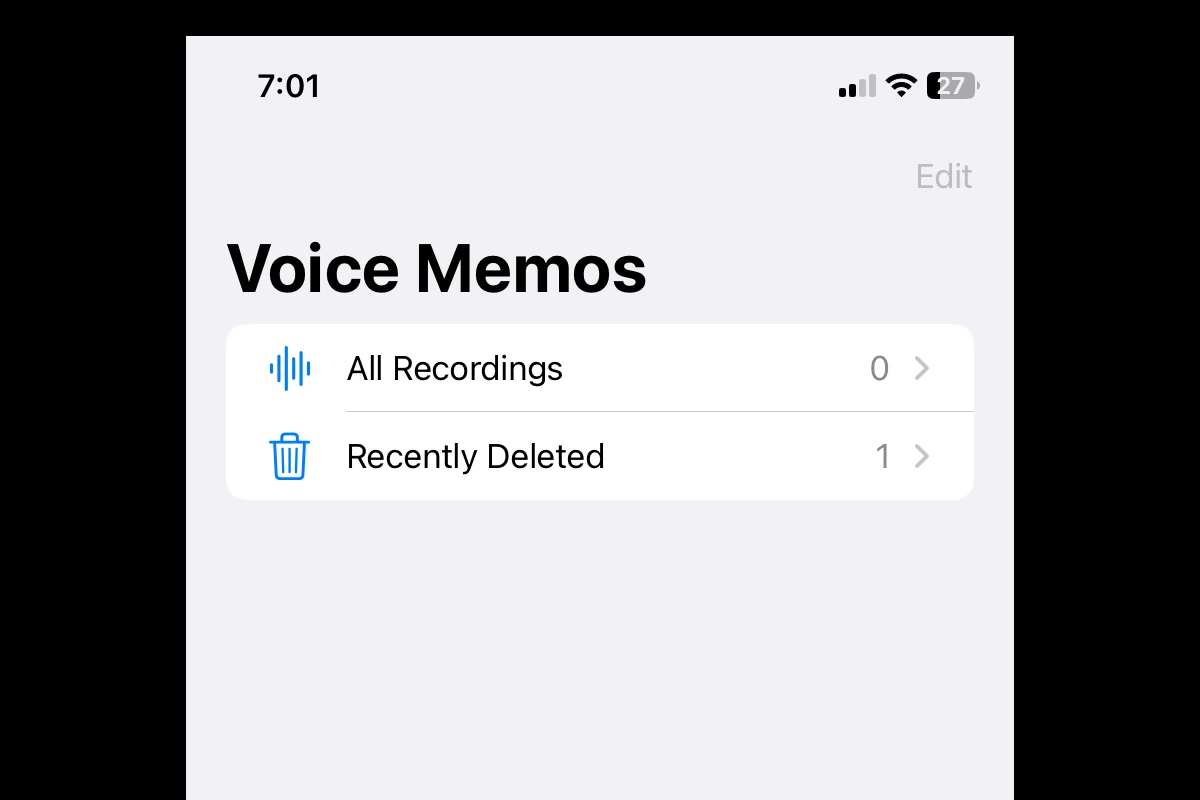
1. Soft Deletion (Recently Deleted)
Most modern operating systems use a grace period:
- On iOS, deleted voice memos go to a Recently Deleted folder, usually for 30 days
- During this time, the file can be restored with a few taps
This is similar to how photo and email deletion works.
2. Permanent Deletion
After the grace period:
- The memo is removed from the user-accessible interface
- The system marks the storage space as available for reuse
At this point, recovery becomes difficult or impossible without backups or forensic tools.
Can Deleted Voice Memos Be Recovered?
The answer depends on timing and backups.
✅ Possible Recovery Methods
- Recently Deleted folder (before the time limit expires)
- Cloud backups (iCloud, Google Drive)
- Device backups restored to a previous state
- Computer syncs (iTunes/Finder, Android file backups)
❌ When Recovery Is Unlikely
- The file has been permanently deleted
- No backups exist
- Storage space has been overwritten
Data recovery software may claim success, but results vary and are rarely guaranteed.
Deleted Voice Memos and Privacy
Deletion is also a privacy issue.
- A voice memo may contain sensitive data: names, addresses, passwords, or private conversations
- Soft-deleted files still exist on the device or in the cloud
- Cloud backups may retain copies even after local deletion
If privacy is critical:
- Empty “Recently Deleted” folders
- Disable unnecessary cloud backups
- Encrypt devices and accounts
- Be cautious with third‑party recording apps
Why Deleted Voice Memos Matter
Deleted voice memos sit at the intersection of:
- Convenience (easy recovery from mistakes)
- Security (data lingering longer than expected)
- Digital memory (important moments lost or preserved)
Understanding how deletion works helps users make informed decisions—whether they’re trying to recover a lost recording or ensure sensitive audio is truly gone.
Final Thoughts
A deleted voice memo isn’t always as final as it seems. In many cases, it’s simply waiting in the background, recoverable with a few taps or a backup restore. But once permanently erased, it may be gone for good.
Knowing the difference can save you from accidental data loss—or from assuming your private words have disappeared when they haven’t.
If voice memos matter to you, treat them with the same care as photos, documents, and messages.