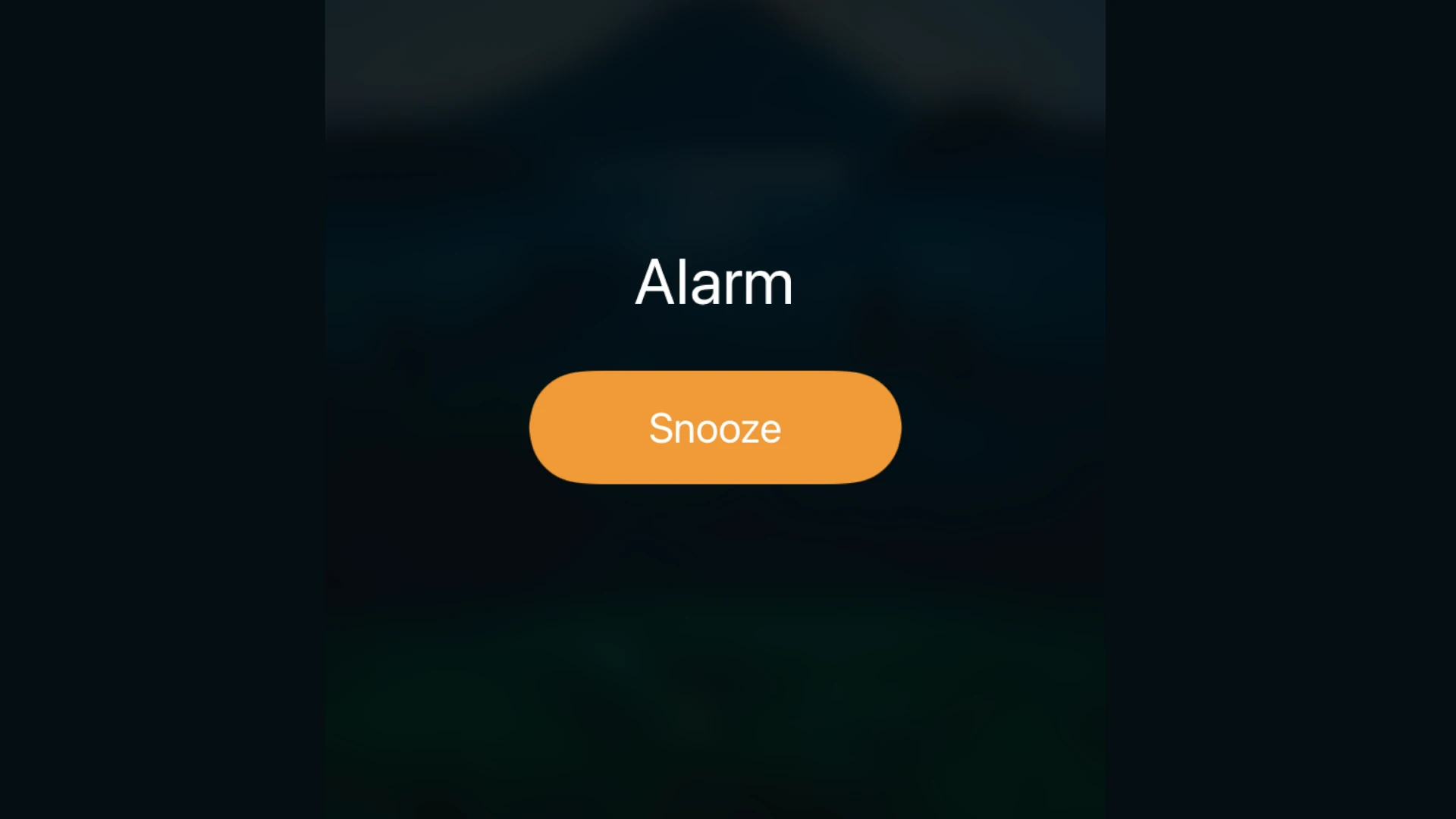
Waking up late for work or school because your iPhone alarm didn’t go off can ruin your entire day. This frustrating problem affects many iPhone users, with alarms sometimes going silent or failing to activate altogether. To fix an iPhone alarm that’s not going off, turn off Attention Aware features, check your volume settings, disable Do Not Disturb mode, and verify your alarm settings are correct.
Many people don’t realize that certain iPhone features can interfere with alarm function. For example, the Attention Aware feature might silence alarms when it thinks you’re looking at your phone. Recent reports in 2025 show that many users experience silent alarms even though their phones indicate the alarm is active. A quick check of your settings can solve this common problem.
Fix iPhone Alarm Not Going Off (2026 Guide)
If your iPhone alarm isn’t going off, goes off silently, or only plays through AirPods, you’re not alone. Reports from users on recent iOS versions (including iOS 26.x) show alarms sometimes fail due to Focus settings, Bluetooth routing, sound settings, or software glitches (source: The Mac Observer, AppleInsider).
Here’s a complete step‑by‑step troubleshooting guide.
✅ 1. Check Alarm Sound (Most Common Issue)
Many alarms “go off” but play no sound.
Fix:
- Open Clock
- Tap Alarm
- Tap your alarm → Sound
- Make sure:
- A tone is selected (not “None”)
- Volume slider is audible
- Tap Save
Also check: Settings → Sounds & Haptics → Ringtone and Alerts Adjust volume and disable:
✅ “Change with Buttons” (prevents accidental volume lowering)
(Improper alarm settings are one of the top causes, per: The Geek Page)
✅ 2. Check Focus / Do Not Disturb
Focus modes can interfere if misconfigured.
Fix:
- Go to Settings → Focus
- Turn off:
- Sleep Focus
- Do Not Disturb
- Check Schedule or Smart Activation
Some users report alarms failing when Sleep Focus glitches after updates (source: The Mac Observer).
✅ 3. Disconnect AirPods or Bluetooth Devices
A known issue in iOS 26.2: alarms sometimes play only through connected AirPods (source: The Mac Observer).
Fix:
- Go to Settings → Bluetooth
- Turn Bluetooth OFF before bed
OR - Disconnect AirPods manually
✅ 4. Turn Off StandBy Mode (If Using It)
Some users report alarm inconsistencies when StandBy mode is active while charging.
Fix:
Settings → StandBy → Turn Off (for testing)
✅ 5. Delete and Recreate the Alarm
Corrupted alarm entries can cause silent failures.
Fix:
- Delete the alarm
- Restart iPhone
- Create a brand new alarm
(Simple but frequently effective fix noted in multiple troubleshooting guides like: ZDNet)
✅ 6. Restart Your iPhone
Minor iOS bugs can affect alarms.
- Hold Side Button + Volume
- Slide to power off
- Wait 30 seconds
- Turn it back on
Temporary alarm bugs have resurfaced in recent iOS versions (source: AppleInsider).
✅ 7. Update iOS
Alarm bugs have been linked to specific iOS updates (notably iOS 26.2 per user reports).
Fix:
Settings → General → Software Update Install latest version.
(Source: The Mac Observer)
✅ 8. Disable Attention Aware Features
If you use Face ID:
Settings → Face ID & Passcode Turn OFF:
✅ Attention Aware Features
Some users report alarms lowering volume when Face ID detects attention.
✅ 9. Check Sleep Schedule (Health App)
If using Sleep Schedule:
- Open Health app
- Tap Sleep
- Check Wake-Up Alarm
- Ensure it’s enabled and time is correct
Sleep schedules can override regular alarms.
✅ 10. Reset All Settings (Last Resort)
If alarms still fail:
Settings → General → Transfer or Reset iPhone → Reset → Reset All Settings
⚠️ This does NOT delete data, but resets:
- WiFi
- Bluetooth
- Notifications
- Focus settings
🚨 If Alarm Goes Off Silently
This is a known resurfacing issue where alarms trigger but produce no sound (source: AppleInsider).
Try:
- Turning off Bluetooth
- Rebooting
- Updating iOS
- Recreating the alarm
🛡 Prevent It From Happening Again
✅ Keep iOS updated
✅ Avoid beta versions
✅ Disable Fast Bluetooth auto-connect overnight
✅ Test alarm before sleeping
✅ Use backup alarm device for important events
🧠 Quick Troubleshooting Checklist
- Alarm sound not set to None
- Volume high enough
- Focus disabled
- Bluetooth off
- Alarm recreated
- iOS updated
- Restarted device
📌 When to Contact Apple
If:
- Alarms fail repeatedly after reset
- iPhone overheats overnight
- Speaker doesn’t work for calls/music
Visit Apple Support or an Apple Store.
Key Takeaways
- Turn off Attention Aware features in your settings to prevent your iPhone from silencing alarms when it thinks you’re looking at it.
- Check your volume settings and make sure your alarm sound isn’t set to “None” in the Clock app.
- Disable Do Not Disturb and Focus modes which can block alarm sounds from playing when activated.
Understanding iPhone Alarm Functionality
iPhone alarms are designed to be reliable wake-up tools, but sometimes they don’t work as expected. Understanding how the system works and what causes problems can help you avoid missing important events.
How the iPhone Alarm Works
The iPhone alarm function operates through the Clock app, which comes pre-installed on all iOS devices. When you set an alarm, the device stores this information and will trigger the alert even if your phone is in silent mode or Do Not Disturb.
iPhone alarms use the volume settings from your “Sounds & Haptics” menu, not your ringer volume. This means you can adjust alarm volume separately from other notifications.
The system is designed to work even when the phone is locked or in sleep mode. Your iPhone’s internal clock tracks the time and activates the alarm at your set hour.
You can choose from various alarm sounds, create custom labels, and set repeating alarms for daily routines.
Common Reasons for iPhone Alarm Malfunctions
Several issues can prevent your iPhone alarm from sounding properly. One common problem is having the volume set too low or accidentally turning on silent mode, which doesn’t affect alarms but might make you think they’re not working.
The “Attention Aware Features” setting can also cause problems. This feature lowers sound alerts when you’re looking at your phone, potentially silencing your alarm.
Software bugs or outdated iOS versions may interfere with alarm functionality. A simple restart often fixes these issues by refreshing system processes.
Other potential problems include:
- Accidentally setting AM instead of PM (or vice versa)
- Low battery or power-saving modes
- Conflicting third-party apps
- Hardware issues affecting the speaker
Checking Alarm Settings
When your iPhone alarm doesn’t go off, the problem often lies within your settings. Taking a few minutes to review your alarm configuration can save you from missing important events.
Navigating the Clock App
To check your alarm settings, first locate and open the Clock app on your iPhone. It’s usually on your home screen with a simple clock icon. If you can’t find it, swipe down on your home screen and type “Clock” in the search bar.
Tap the “Alarm” tab at the bottom of the screen. Here you’ll see all your current alarms. Make sure the alarm you want is toggled on – the switch should be green. If it’s gray, tap it to activate your alarm.
Check if you’ve set the correct AM/PM setting. This common mistake happens when you set an alarm for 8:00 PM instead of 8:00 AM. Also, verify the days your alarm is set to repeat.
Adjusting Alarm Settings
Tap on an existing alarm to modify its settings. You can adjust:
- Time: Change when your alarm will sound
- Repeat: Set which days the alarm should activate
- Label: Name your alarm (like “Work” or “Medication”)
- Sound: Choose a tone that will wake you up effectively
The sound selection is crucial since some tones might be too soft to wake heavy sleepers. Select something distinctive and loud enough to alert you.
If your alarm still doesn’t work properly, try creating a completely new alarm instead of editing an existing one. Sometimes this resolves glitches in the system.
Checking Volume Levels
Your iPhone alarm volume settings operate independently from other sound settings. To ensure your alarm is loud enough:
Go to Settings > Sounds & Haptics. Check the “RINGER AND ALERTS” slider and make sure it’s set to an appropriate level. The volume should be high enough to wake you up.
Test your alarm volume by:
- Setting a test alarm for 1-2 minutes from now
- Lock your phone and wait for it to go off
- Adjust volume as needed based on the test
Make sure the mute switch on the side of your iPhone isn’t turned on. Even with this switch on, alarms should still sound, but it’s worth checking if you’re having issues.
Some users report that turning off “Attention Aware” features in settings can help with alarm problems.
Troubleshooting Software Issues
When your iPhone alarm fails to sound, software problems are often the culprit. These issues range from simple glitches to deeper system problems that require specific solutions.
Identifying Software Glitches
iPhone alarms may fail due to minor software glitches that interrupt normal functioning. These problems often appear after iOS updates or when multiple apps compete for system resources.
First, try the simplest fix – restart your iPhone. This clears temporary memory and often solves alarm issues. Press and hold the power button for a few seconds, then wait about 30 seconds after shutdown before turning it on again.
Check your alarm settings carefully:
- Verify the AM/PM setting is correct
- Ensure volume is turned up
- Confirm the alarm tone is selected
- Make sure Silent Mode is off
Some users report that turning off Attention Aware features fixes alarm problems. This setting can be found in Settings > Face ID & Passcode.
iOS Update and Compatibility
Outdated iOS versions often cause alarm malfunctions. Apple regularly fixes bugs through system updates, so keeping your iPhone current is important.
To check for updates:
- Go to Settings
- Tap General
- Select Software Update
- Download and install if updates are available
Recent iOS releases (including iOS 18) have addressed alarm reliability issues. If you’re using an older iPhone model, verify it supports your current iOS version to avoid compatibility problems.
Also, check the volume settings specifically for alarms. Go to Settings > Sounds & Haptics and adjust the Ringtone and Alerts slider to a level you can hear clearly.
Disable any third-party apps that might conflict with the alarm function, especially sleep tracking or alternative alarm apps.
Performing iOS System Recovery
When simple fixes fail, you might need more advanced iOS system recovery options to solve persistent alarm problems.
Try resetting all settings (not content) on your iPhone:
- Open Settings
- Go to General
- Scroll to Transfer or Reset iPhone
- Tap Reset
- Select Reset All Settings
This won’t delete your data but will restore system settings to defaults, often fixing alarm issues.
For more serious problems, consider backing up your iPhone and performing a factory reset. Restore your backup afterward but set up alarms manually rather than restoring them.
If problems continue, use recovery tools through iTunes/Finder by connecting your iPhone to a computer. Put your device in recovery mode and follow the prompts to reinstall iOS without losing data.
Fixing System Settings
Sometimes the iPhone alarm doesn’t work because of incorrect settings or system glitches. Adjusting these settings can solve the problem without needing technical support.
Reset All Settings
If your iPhone alarm consistently fails to go off, resetting all settings might help fix the issue. This option keeps your data intact while restoring system settings to their defaults.
To reset all settings:
- Open the Settings app on your iPhone
- Tap General
- Scroll down and tap Transfer or Reset iPhone
- Select Reset
- Tap Reset All Settings
- Enter your passcode if prompted
- Confirm by tapping Reset All Settings
After the reset, your iPhone will restart. You’ll need to reconfigure some settings like Wi-Fi passwords and alarm sounds. This process often fixes alarm problems caused by corrupted settings.
Many users report that their alarms work properly after this reset. The process takes about 5-10 minutes to complete.
Restoring iPhone to Factory Settings
As a last resort, you might need to restore your iPhone to factory settings. This completely erases your device and installs a fresh iOS version.
Important: Back up your iPhone before proceeding. This process erases all content and settings.
To restore your iPhone:
- Connect your iPhone to a computer
- Open iTunes (PC) or Finder (Mac)
- Select your iPhone when it appears
- Click Restore iPhone
- Follow the on-screen instructions
This process removes any system glitches that might prevent your alarm from working properly. After restoration, set up your iPhone as new or restore from a backup.
Factory reset has fixed alarm issues for many users where other methods failed. The process takes about 30 minutes to complete.
Managing External Factors
Your iPhone alarm problems can often be linked to settings and environmental factors outside the alarm app itself. Sometimes simple changes to your phone’s settings or environment can fix alarm failures.
Do Not Disturb Mode and Silent Mode
Do Not Disturb (DND) mode can prevent your iPhone alarm from sounding. Even though Apple designed alarms to override DND, bugs can sometimes interfere with this function.
To check your DND settings:
- Open Settings
- Tap Focus
- Select Do Not Disturb
- Make sure “Allow Alarms” is turned ON
Silent Mode is another common culprit. When the silent switch on the side of your iPhone is activated (showing orange), it won’t mute alarms. However, if your volume is set too low, you might not hear the alarm.
Try this quick fix: use the volume buttons to increase sound while viewing the alarm screen. This adjusts the alarm volume specifically rather than media volume.
Influence of Apple Music and Other Apps
Apps running in the background can sometimes interfere with your alarm function. Apple Music and other audio apps may cause conflicts with the alarm sound system.
Common app-related issues include:
- Audio apps taking control of sound output
- Memory-intensive apps causing system slowdowns
- Apps with notification permissions competing with alarm alerts
To minimize interference:
- Close all audio apps before sleeping
- Restart your iPhone nightly to clear memory
- Choose a distinctive alarm sound that won’t be confused with other app notifications
If using Apple Music before bed, make sure to fully exit the app rather than leaving it playing or paused in the background.
Checking for Physical Damage
Physical damage to your iPhone can affect alarm functionality, especially if it involves speakers or the charging port.
First, check your speakers for:
- Dust or debris blockage
- Water damage
- Physical damage to speaker grilles
Test your speakers by playing music at high volume. If the sound is muffled or uneven, your speakers may need cleaning or repair.
The charging port matters too. Many people charge their phones overnight while using alarm functions. A damaged charging port can cause power issues that affect alarm reliability. Recent reports show some iPhone alarms fail to sound when the display times out, especially while charging.
Try using your alarm with and without the charger connected to identify if charging is a factor in your alarm issues.
Operational Best Practices
Getting your iPhone alarm to work reliably requires some simple maintenance habits. These basic practices can prevent many common alarm issues and keep your wake-up calls consistent.
Regularly Restarting iPhone
Restarting your iPhone is a simple but powerful fix for alarm problems. When your alarm doesn’t sound, a quick restart often solves the issue by clearing temporary software glitches.
Try to restart your iPhone at least once a week. This helps refresh system resources and can prevent alarm failures.
To restart most iPhone models:
- Press and hold the side button and volume button together
- Slide to power off when prompted
- Wait 30 seconds
- Press and hold the side button until the Apple logo appears
For older models with a home button, just hold the side button, then slide to power off.
If your alarm has failed multiple times, try a complete power cycle by turning off your phone before bed and turning it back on.
Keeping Software Up to Date
Regular iOS updates are crucial for your alarm’s reliability. Apple frequently fixes alarm bugs in software updates that may not be obvious to users.
Check for updates by going to Settings > General > Software Update. Enable Automatic Updates to install important fixes without having to remember.
Some alarm issues appear after iOS updates but before Apple releases patches. If you notice alarm problems after updating, try these steps:
- Reset your alarms completely
- Check that your sound volume is turned up
- Make sure Attention Aware features are disabled if they’re causing issues
Outdated apps can also interfere with system functions. Keep all apps updated through the App Store to minimize conflicts that might affect your alarm’s performance.
Frequently Asked Questions
iPhone alarm issues can be frustrating, especially when they fail without warning. These common questions address sound problems, device positioning, software updates, and specific features that might interfere with alarm function.
What could be causing my iPhone alarm to have no sound when it goes off?
Several factors might cause a silent iPhone alarm. Check if your alarm volume is turned up by going to Settings > Sounds & Haptics and moving the volume slider to the right.
Make sure you’ve selected an alarm sound that’s clearly audible. Some tones are quieter than others.
If your phone is on silent mode, don’t worry – alarms should still make sound even with the mute switch on. However, if the issue persists, try restarting your iPhone which can resolve many temporary glitches.
How can I ensure my iPhone alarm still sounds when the device is face down?
Placing your iPhone face down shouldn’t affect the alarm function, but certain settings might interfere. Make sure “Do Not Disturb” or “Focus” modes aren’t active during your alarm time.
Check if your alarm volume is high enough to hear even when the phone is face down on a surface that might muffle sound. Using vibration alongside sound can provide a backup alert method.
For added reliability, consider keeping your phone face up or in a position where the speakers aren’t covered when you sleep.
What steps should I take if my iPhone alarm fails to go off following a software update?
After a software update, reset all alarm settings by deleting existing alarms and creating new ones. This ensures they’re properly registered in the updated system.
Restart your iPhone to clear any temporary issues that might affect alarm functionality. Hold the power button, then wait about 30 seconds after shutdown before turning it back on.
If problems continue, check for any pending software updates that might include fixes for alarm bugs. Serious persistent issues may require contacting Apple Support.
How can iPhone Attention Aware features affect the behavior of my alarm?
Attention Aware features can sometimes interfere with alarm function by lowering the volume if the phone thinks you’re looking at it. Turn off Attention Aware in your settings to prevent this interference.
This setting appears in two places: Face ID & Attention and Display & Brightness. Disabling it in both locations ensures that your alarms will sound at full volume regardless of whether the phone thinks you’re looking at it.
Many users have found that turning off this feature fixes alarm problems that seemed mysterious before.
In what situations might an iPhone alarm not sound while the device is charging?
If your iPhone is connected to certain Bluetooth devices while charging, audio may route there instead of through the phone’s speakers. Make sure no unwanted Bluetooth connections are active.
Some charging positions might block or muffle the speakers. Ensure your phone isn’t placed face-down or with speakers covered while charging overnight.
Check that you haven’t accidentally activated Bedtime Mode or Sleep Focus which might silence notifications but should still allow alarms to sound.
Are there known issues with the alarm function in iOS 17 that could prevent it from going off?
Some iOS 17 users have reported alarms going off but remaining silent. Double-check your volume settings if you experience this problem.
Battery optimization features in iOS 17 sometimes interfere with background processes. Make sure the Clock app has proper background permissions.
If you’ve recently updated to iOS 17 and experience alarm issues, consider checking Apple’s support forums for similar reports or waiting for minor update releases that often fix these types of bugs.