Seeing the “No SIM Card” message on your Android phone can be frustrating, especially when you need to make calls or use mobile data. This error appears when your phone cannot detect or communicate with the SIM card properly. The most common fixes include restarting your phone, checking the SIM card for damage, and resetting your network settings.
Many Android users face this problem at some point. The error might show up suddenly or after dropping your phone or getting it wet. Sometimes the issue is simple to fix, like when the SIM card needs to be reseated. Other times, it might point to a hardware problem or software glitch that needs more attention.
Don’t worry if you see this error on your screen. In most cases, you can solve the problem yourself without visiting a repair shop. The fixes are quick and easy to try at home with no special tools needed.
Android Phone “No SIM Card” Message
Seeing a “No SIM card,” “Insert SIM,” or “SIM not detected” message on your Android phone can be frustrating—especially if you rely on mobile data and calls daily. The good news? In most cases, the fix is simple.
This guide walks you through why it happens and step-by-step solutions to get your phone connected again.
Why Your Android Says “No SIM Card”
Here are the most common causes:
- SIM card not inserted properly
- Dirty or damaged SIM card
- Network or carrier issue
- Software glitch
- SIM tray damage
- Carrier lock or account problem
- Outdated system software
Step-by-Step Fixes
Follow these steps in order. After each step, check if the issue is resolved.
✅ 1. Restart Your Phone
A simple restart can fix temporary system glitches.
How to restart:
- Hold the Power button
- Tap Restart
- Wait for the phone to power back on
If the SIM error disappears, it was likely a minor software bug.
✅ 2. Turn Airplane Mode On and Off
This refreshes your cellular connection.
- Swipe down from the top of the screen
- Tap Airplane Mode
- Wait 30 seconds
- Turn it off
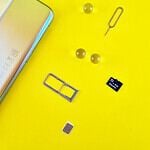
✅ 3. Remove and Reinsert the SIM Card
Improper placement is one of the most common causes.
Steps:
- Power off your phone
- Use a SIM ejector tool (or paperclip)
- Remove the SIM tray
- Check alignment and reinsert carefully
- Power the phone back on
Make sure:
- The SIM sits flat
- The tray closes fully
- The SIM size matches the tray
✅ 4. Clean the SIM Card
Dust or debris can block contact points.
How to clean safely:
- Use a soft, dry cloth
- Avoid water
- Don’t scratch the gold contacts
Reinsert the card and restart your phone.
✅ 5. Test the SIM in Another Phone
This helps determine the issue source.
| Result | What It Means |
|---|---|
| SIM works in another phone | Your phone may be the issue |
| SIM doesn’t work anywhere | SIM card likely damaged |
| Other SIM works in your phone | Your SIM card is faulty |
If your SIM is damaged, contact your carrier for a replacement.
✅ 6. Check for Software Updates
Outdated firmware can cause SIM recognition issues.
To update:
- Open Settings
- Tap Software Update
- Select Download and Install
Install any available updates and restart.
✅ 7. Reset Network Settings
This won’t delete your data but will reset Wi-Fi, Bluetooth, and mobile networks.
Steps:
- Go to Settings
- Tap General Management (or System)
- Select Reset
- Tap Reset Network Settings
Restart afterward.
✅ 8. Check SIM Card Status in Settings
On many Android phones:
- Open Settings
- Tap About Phone
- Select Status
- Look for SIM Status
If it shows “Not Available,” your phone isn’t detecting the card.
✅ 9. Contact Your Carrier
Sometimes the issue is account-related:
- Suspended account
- Unpaid bill
- Deactivated SIM
- Network outage
Ask your carrier to:
- Confirm SIM activation
- Check for outages
- Replace the SIM if needed
✅ 10. Inspect for Hardware Damage
If none of the above works, the issue may be:
- Bent SIM tray
- Water damage
- Faulty SIM reader
- Dropped phone damage
At this point, professional repair may be required.
eSIM Users: What to Do
If your phone uses eSIM, try:
- Restarting your phone
- Turning mobile data off/on
- Re-adding the eSIM profile
- Contacting your carrier to reissue the QR code
When to Replace Your SIM Card
You should request a new SIM if:
- It’s older than 5–7 years
- It shows visible wear
- It fails in multiple devices
- Your carrier confirms damage
Most carriers provide replacements free or for a small fee.
Quick Troubleshooting Summary
| Issue | Most Likely Fix |
|---|---|
| Sudden error after update | Restart or reset network settings |
| Phone dropped recently | Check SIM tray for damage |
| SIM works in another phone | Device hardware issue |
| SIM doesn’t work anywhere | Replace SIM card |
| Error after switching carriers | Confirm activation |
Final Thoughts
A “No SIM Card” message is usually easy to fix. Start with simple solutions like restarting your device or reinserting the SIM. If the problem persists, testing the SIM in another phone can quickly narrow down the cause.
If you’ve tried everything and still see the error, your best next step is contacting your carrier or visiting a certified repair technician.
Key Takeaways
- Restart your phone and check your SIM card for damage or improper placement to fix most “No SIM Card” errors.
- Reset network settings when simple fixes don’t work, as this clears connection problems without erasing personal data.
- Keep your Android software updated and handle your SIM card carefully to prevent future SIM card detection issues.
Understanding the ‘No Sim Card’ Error
When your Android phone displays a “No SIM card” error, it means the device can’t detect or communicate with the SIM card. This common issue can stem from physical damage, incorrect insertion, or software glitches.
Common Causes of Sim Card Detection Issues
Physical problems often trigger SIM card errors. If your SIM card is not inserted correctly, your phone won’t detect it. Check if the SIM is properly seated in the tray.
Dirt or damage can also cause problems. Even tiny scratches on the gold contact points may prevent your phone from reading the card. Inspect your SIM card for any visible damage.
Network settings sometimes conflict with SIM detection. Your phone might need a network settings reset to fix connection issues.
The SIM tray itself might be damaged. Look for any bends or breaks that could prevent proper contact between the SIM card and phone.
Differentiating Between Software and Hardware Problems
Software issues are often easier to fix. If your phone suddenly shows “No SIM card,” try these software solutions:
- Restart your phone
- Clear the Fi app data (if using Google Fi)
- Reset network settings
- Check for system updates
Software problems typically appear after updates or app installations and may come and go randomly.
Hardware problems are more consistent and harder to fix. Signs of hardware issues include:
- The error appears right after dropping your phone
- The SIM works in other devices but not yours
- The SIM tray is bent or damaged
Hardware issues usually require professional repair, especially if the SIM card reader inside your phone is damaged.
Initial Troubleshooting Steps
When your Android phone displays the dreaded “No SIM Card” error, there are several quick fixes you can try before seeking professional help. These simple steps often solve the problem without the need for technical expertise or costly repairs.
Checking SIM Card Placement and Condition
First, check if your SIM card is properly seated in its tray. Turn off your phone completely before removing the SIM card.
Look for the small hole on the side of your phone and use the SIM ejector tool (or a paperclip) to gently push and release the tray. Once the tray pops out, carefully remove the SIM card.
Inspect your SIM card for:
- Visible damage or scratches
- Dirt or dust on the gold contact points
- Correct orientation when placed back (notched corner aligned properly)
Clean the SIM card gently with a soft, dry cloth if needed. Place it back in the tray correctly and insert it firmly. The tray should click into place without force.
Restart Your Phone
A simple restart often fixes temporary software glitches causing SIM card issues. This refreshes your phone’s connection to the mobile network.
To restart properly:
- Press and hold the power button
- Select “Restart” from the menu
- Wait for your phone to completely power off and back on
If a normal restart doesn’t work, try a forced restart by holding the power button for 10-15 seconds until the phone turns off completely. Then turn it back on.
Some phones need up to 2-3 minutes after restarting to detect the SIM card properly, so be patient.
Enabling and Disabling Airplane Mode
Toggling Airplane Mode is a quick way to reset your phone’s connection to mobile networks without restarting.
Here’s how to use this trick:
- Swipe down from the top of your screen to open the quick settings panel
- Tap the Airplane Mode icon to turn it ON
- Wait 10-15 seconds
- Tap it again to turn Airplane Mode OFF
This forces your phone to search for networks again and often resolves connection issues. You might see “Searching” or “Connecting” messages while your phone reestablishes its connection.
For persistent problems, toggle Airplane Mode, wait a full minute, then disable it. This gives your phone more time to reset network connections.
Exploring Android Settings for Solutions
If basic fixes don’t work, dive deeper into your Android settings to resolve the SIM card error.
Try these settings adjustments:
- Check your network settings: Go to Settings > Network & Internet > Mobile Network and ensure your SIM card is enabled
- Reset network settings: Go to Settings > System > Reset options > Reset Wi-Fi, mobile & Bluetooth
- Check for carrier settings updates: Settings > About phone > Carrier settings
Some phones have a “SIM card manager” option where you can check if your SIM is recognized and properly configured. Look for this in Settings > Network & Internet.
If you use multiple SIMs, make sure the correct SIM is selected for calls and data. You can adjust these preferences in the Mobile Network settings.
Network and Connectivity Settings
When your Android phone displays a “No SIM card” error, network settings often need adjustment. Checking your connection settings can solve many SIM detection problems without requiring technical support or hardware replacement.
Selecting the Correct Network Operator Manually
Sometimes your phone fails to connect to your mobile network automatically. You can manually select the correct network operator to fix this issue.
To manually select your network:
- Go to Settings on your Android phone
- Tap on Connections or Network & Internet
- Select Mobile Networks
- Tap on Network Operators
- Choose Search networks and wait for the search to complete
- Select your correct carrier from the list
This process helps when your phone doesn’t recognize your SIM card despite it being properly inserted. Many users find this resolves connectivity issues immediately.
Manual selection forces your phone to connect to the specific carrier tied to your SIM card. This bypasses automatic selection problems that might cause “No SIM” errors.
Reset Network Settings
Resetting network settings can fix many connectivity problems with your SIM card. This option clears all network-related configurations without affecting your personal data.
- Open Settings on your phone
- Scroll to System or General Management
- Find and tap Reset or Reset options
- Select Reset network settings
- Confirm by tapping Reset Settings
After resetting, your phone will restore default network configurations and attempt to reconnect to available networks. Your Wi-Fi passwords, Bluetooth connections, and mobile data settings will be erased.
This solution works well for persistent SIM card errors that basic troubleshooting can’t fix. Many users report success with this method when other options fail.
Checking Network Mode Compatibility
SIM card detection problems can occur when your phone uses the wrong network mode. Modern phones support multiple modes (2G, 3G, 4G/LTE, 5G), but compatibility issues can arise.
To check and adjust network mode:
- Open Settings
- Go to Connections or Network & Internet
- Tap Mobile Networks
- Select Network Mode or Preferred network type
- Try different options, like 4G/3G/2G (auto connect) instead of just 5G or 4G
Some carriers are phasing out older networks like 2G and 3G. If your phone is set to use only these networks, you might see a “No SIM” error.
It’s important to select a network mode that matches both your carrier’s available signals and your phone’s capabilities. Finding the right balance ensures proper SIM detection and reliable service.
Advanced Troubleshooting Techniques
When simple fixes don’t solve your SIM card detection problems, more powerful methods may be needed. These techniques can address deeper system issues that prevent your Android phone from recognizing your SIM card.
Clearing Cache and Data for Carrier Services
The Carrier Services app manages how your phone connects to your mobile network. Over time, its data can become corrupted and cause SIM card issues.
To clear this cache:
- Go to Settings > Apps or Applications
- Find and tap on Carrier Services
- Select Storage
- Tap Clear Cache first
- If problems persist, tap Clear Data
This process forces the app to rebuild its connection to your network. After clearing the cache, restart your phone to complete the reset. Many users find this solves SIM detection problems without losing personal data.
For persistent issues, you can also try resetting network settings through Settings > System > Advanced > Reset Options > Reset network settings.
Using Computer Software Tools
Computer software can help fix deeper system issues on your smartphone that cause SIM card problems.
For Samsung devices, use Samsung Smart Switch:
- Install Smart Switch on your computer
- Connect your phone via USB cable
- Check for and install firmware updates
- Use the “Emergency Recovery” option if available
Other Android phones might benefit from tools like:
- Android Debug Bridge (ADB) for advanced system commands
- Mobile Device Management (MDM) tools to reset network configurations
- Manufacturer-specific software (like Mi Flash Tool for Xiaomi)
These tools can repair system files that control SIM card recognition without erasing your data. Make sure to download software only from official manufacturer websites to avoid security risks.
Performing a Factory Reset
A factory reset is the last resort when other methods fail. It returns your phone to its original state, solving most software issues including SIM detection problems.
Before resetting:
- Back up all your data to Google Drive or your computer
- Write down your accounts and passwords
- Make sure your battery is at least 50% charged
To perform the reset:
- Go to Settings > System > Reset options
- Select Erase all data (factory reset)
- Confirm and enter your PIN if prompted
- Wait for the process to complete
After the reset, your phone will restart and walk you through setup. Most SIM card issues should be resolved as the system is now fresh. Try inserting your SIM card after completing the initial setup.
Remember that a factory reset erases everything, so only use this method when other techniques have failed.
Identifying and Resolving Hardware Issues
When your Android phone displays “No SIM card detected,” hardware problems are often to blame. Physical damage or mechanical issues with the SIM tray can prevent proper connections between your card and phone.
Inspecting the SIM Card Slot Mechanism
First, power off your phone completely before examining the SIM card slot. Use the ejector tool that came with your phone or a small paperclip to carefully remove the SIM tray. Check for any visible damage or bent pins inside the slot.
Look closely at the metal contacts in the SIM tray and slot. These need to be clean and free from dirt or corrosion. You can gently clean the contacts using a soft, dry cloth or a cotton swab.
Examine the SIM card itself for scratches, cracks, or other damage. Even tiny scratches on the gold contact area can cause connection problems. Try inserting the SIM card in another phone to see if it works there.
Make sure the SIM card sits properly in the tray with the notched corner aligned correctly. An improperly seated SIM card is a common cause of detection failures.
Considering Professional Repair Services
If basic troubleshooting doesn’t solve the problem, professional repair might be necessary. Many phone service centers can diagnose SIM card reader problems.
Contact your phone manufacturer if your device is under warranty. They may repair or replace your device at no cost if the SIM card reader is defective. Keep in mind that water damage or physical damage might void your warranty.
Before paying for repairs, compare the repair cost against buying a new phone. For older models, replacement might be more economical than extensive repairs.
Some repair shops offer diagnostic services for a small fee that can be applied toward repairs. This can help you understand the exact nature of the hardware issue before committing to expensive fixes.
Preventive Measures and Best Practices
Taking care of your SIM card and keeping your phone in good condition can prevent many “No SIM Card” errors before they happen. Simple habits can save you from frustrating connection problems.
Keeping Software Updated
Your phone’s software plays a big role in SIM card detection. Updating your software can fix bugs that might cause SIM errors.
Set up automatic updates on your Android device. Go to Settings > System > Advanced > System Update to check for updates.
Some carriers also send network updates. These help your phone connect better to their services. When prompted to update carrier settings, don’t ignore it.
Apps that manage phone calls and messages need updates too. They work with your SIM card to handle communications.
Quick update tip: Connect to Wi-Fi before updating to save data and ensure downloads don’t fail halfway through.
Regular Maintenance of Sim Card and Slot
Physical care of your SIM card prevents many common problems. Check your SIM card regularly for dirt or damage.
Clean your SIM card gently with a soft, dry cloth. Never use water or cleaning products. Fingerprints or dust can block the metal contacts.
The SIM tray needs care too. Make sure it’s not bent or damaged. When inserting the SIM, follow these steps:
- Power off your phone first
- Use the correct SIM ejector tool
- Place the SIM with gold contacts facing down
- Insert the tray completely and evenly
Keep your phone in a case to protect the SIM slot from dirt and moisture. Avoid extreme temperatures, as they can damage both your phone and SIM card.
If you switch phones often, handle the SIM card with extra care to avoid bending or scratching it.
Specific Device Guidance
Different Android phone brands require slightly different approaches to fix the “No SIM Card” error. The solutions vary based on hardware design and software configurations across manufacturers.
Troubleshooting for Samsung Galaxy Devices
Samsung Galaxy phones have specific troubleshooting steps for SIM card issues. First, try a simple restart by holding the power button and selecting “Restart.” This often fixes temporary glitches.
If that doesn’t work, check your SIM card. Turn off your phone, locate the SIM tray (usually on the side), and use the ejector pin to remove it. Look for any damage or dust on the SIM card. Clean it gently with a dry cloth and reinsert it properly.
Samsung devices have a dedicated network reset option. Go to Settings > General Management > Reset > Reset network settings. This resets all network connections without erasing your data.
For persistent issues, check your IMEI number by dialing *#06# and contact your carrier to verify the SIM hasn’t been blocked.
Addressing No Sim Card on Other Android Phones
Other Android phones follow similar but sometimes different steps. Most require checking if Airplane Mode is accidentally turned on. Swipe down from the top of your screen and make sure it’s off.
Try testing your SIM in another phone to see if the SIM card itself is damaged. If it works elsewhere, your phone might have hardware issues.
Many Android phones have a common fix: toggle Airplane Mode on and off, or restart the device in Safe Mode to check if an app is causing the problem.
For persistent issues on any Android phone, try these steps:
- Update your phone’s software
- Reset network settings
- Check for physical damage to the SIM slot
- Test another SIM card if possible
If nothing works, contact your phone manufacturer for repair options.
Frequently Asked Questions
Many Android users face SIM card issues. Here are answers to common questions about troubleshooting these problems on your device.
What steps should I take if my Android phone displays a ‘No SIM card’ error message?
First, restart your phone. This simple fix often resolves temporary software glitches that cause SIM card detection problems.
Next, check if your SIM card is properly inserted. Turn off your phone, remove the SIM card, and reseat the SIM card carefully. Make sure it fits correctly in the tray.
If these steps don’t work, try resetting your network settings. Go to Settings > System > Reset options > Reset network settings.
Why is my Android device not recognizing my SIM card?
Physical damage to the SIM card often causes recognition issues. Check for scratches, cracks, or dirt on the gold contact points.
Your SIM card might be outdated. Older SIM cards sometimes don’t work with newer phones, so you may need to contact your carrier for a replacement.
The SIM slot might be damaged. If you’ve tried a working SIM card and still get errors, the phone’s SIM reader might need repair.
How can I troubleshoot network connectivity issues related to the SIM card on an Android phone?
Check if your account is active. Contact your carrier to confirm your service hasn’t been suspended due to billing issues or other reasons.
Toggle Airplane mode on and off. This refreshes your network connections and often fixes minor connection problems.
Make sure your phone has the latest software updates. Outdated software can sometimes cause network connectivity issues with SIM cards.
Is a SIM card mandatory for operating an Android smartphone?
No, a SIM card isn’t always required. You can use an Android phone for many functions without a SIM card if you have Wi-Fi access.
Without a SIM, you can still use apps, browse the internet on Wi-Fi, take photos, play games, and use most features except making regular calls and sending SMS messages.
Some calling and messaging apps like WhatsApp and Telegram will work over Wi-Fi without a SIM card after initial setup.
What causes a SIM card to suddenly become non-functional on an Android device?
Software updates sometimes trigger SIM card issues. After system updates, the phone might need to be restarted to recognize the SIM card again.
Physical damage from dropping your phone can disrupt the connection between the SIM card and phone. The impact might shift the SIM card or damage the reader.
Carrier network changes can affect SIM functionality. If your carrier updates their network, older SIM cards might not work properly anymore.
Can I use my Android phone without a SIM card, and what are the implications?
Yes, you can use an Android phone without a SIM card, but with limitations. The phone will work on Wi-Fi networks for internet access.
You won’t be able to make or receive regular phone calls or SMS messages. However, internet-based calling services like WhatsApp calls will work over Wi-Fi.
You’ll also miss out on mobile data when away from Wi-Fi networks. This means no internet access when you’re on the go unless you connect to public Wi-Fi.