
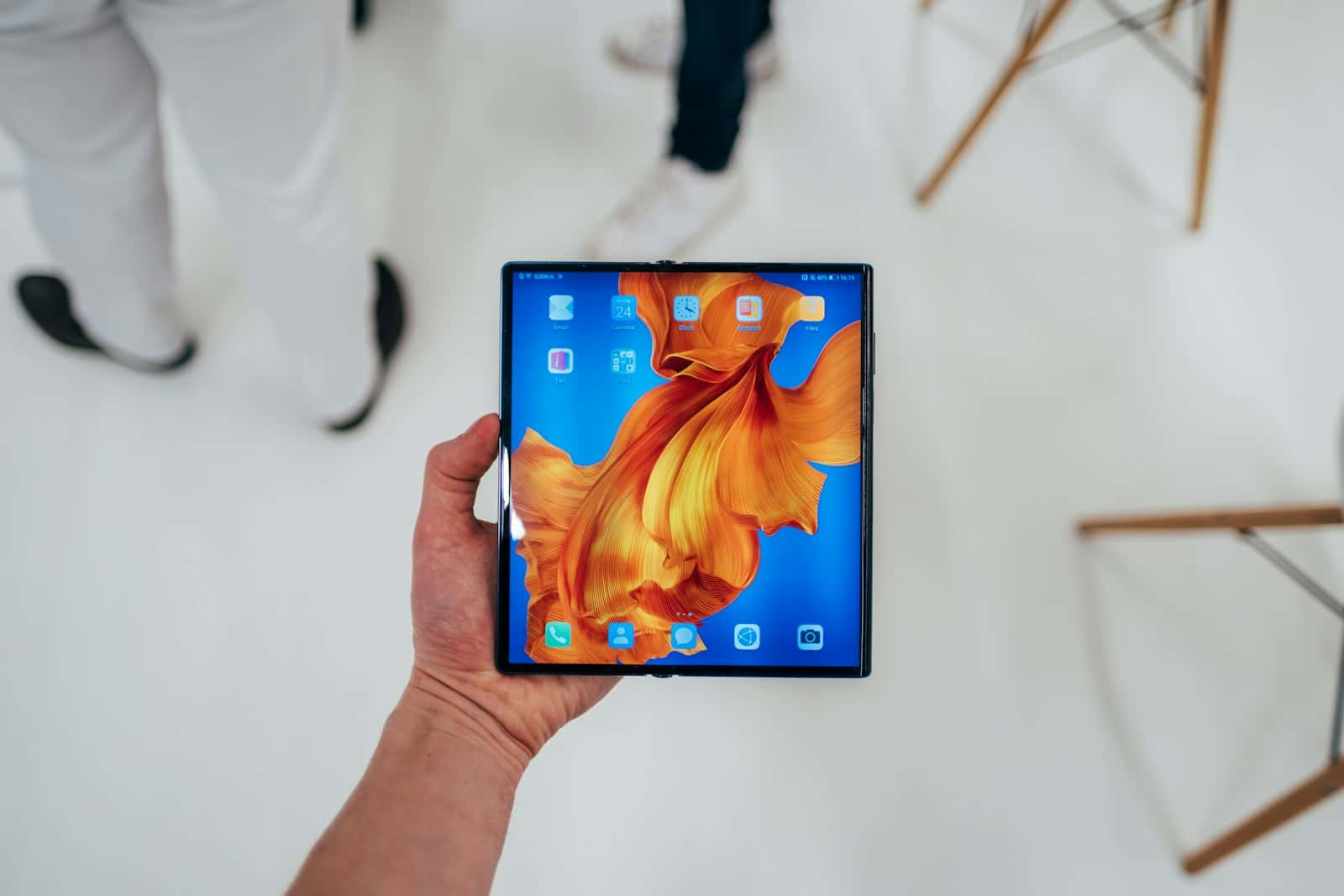
Apple’s long-rumored foldable devices are finally moving closer to reality. After years of speculation, supply-chain leaks, and analyst predictions, 2026 is shaping up to be a pivotal year — with reports pointing to the debut of Apple’s first foldable iPhone, alongside broader OLED expansion across the iPad and Mac lineup.
Here’s what we know so far about Apple’s foldable iPhone and foldable iPad plans for 2026 and beyond.
Apple’s Big OLED Transition
Apple is steadily shifting its product lineup away from LCD displays and toward OLED technology.
According to industry reports, 2026 could mark a major milestone in that transition, including:
- ✅ A foldable OLED iPhone
- ✅ An OLED iPad mini
- ✅ Apple’s first OLED MacBook Pro
- ✅ Continued OLED expansion across iPads
OLED panels offer:
- Deeper blacks
- Higher contrast
- Better power efficiency
- Thinner and more flexible display construction
That flexibility is critical for foldable devices.
The Foldable iPhone (Expected Late 2026)
Multiple reports suggest Apple is targeting late 2026 for its first foldable iPhone, sometimes referred to as the “iPhone Fold.”
Possible Design
Leaks point to a book-style foldable, similar to Samsung’s Galaxy Z Fold series, rather than a clamshell flip phone.
Expected features may include:
- A large inner OLED display (likely 7–8 inches unfolded)
- A smaller outer cover display
- Crease-reduction technology
- Premium hinge engineering
- Ultra-thin glass protection
Apple has reportedly been focused heavily on minimizing the visible crease — one of the biggest criticisms of current foldables.
Crease-Free Display Technology?
At CES 2026, foldable display innovations with reduced crease visibility were highlighted across the industry. Companies like Samsung Display and BOE have demonstrated crease-less or zero-line foldable OLED panels, using multi-layer designs to better distribute stress.
Apple is expected to adopt or refine similar technology, aiming for:
- Reduced visible crease
- Improved durability
- Longer hinge lifespan
Apple historically avoids launching first-generation hardware until it meets strict quality standards — which may explain the long delay compared to competitors.
Pricing Expectations
Foldable smartphones currently sit at the ultra-premium tier.
If Apple launches in 2026, the foldable iPhone could cost:
- $1,799–$2,299+, depending on storage
Apple is unlikely to position it as a mainstream device initially. Instead, it would serve as a halo product — showcasing innovation and expanding the iPhone lineup upward.
What About the Foldable iPad?
The foldable iPad story is more complicated.
18-Inch Foldable Tablet in Development
Recent reports indicate Apple is developing a large 18-inch foldable tablet — effectively a hybrid between an iPad and a touchscreen MacBook.
However:
- Technical challenges remain significant
- The project may not launch until 2029
- There’s a possibility it could be canceled
This device would likely function as:
- A full-screen tablet when open
- A dual-screen device when partially folded
- Potentially a Mac-iPad hybrid
Some analysts speculate it could blur the line between iPadOS and macOS devices.
Will a Smaller Foldable iPad Launch First?
While the 18-inch model may be years away, Apple could introduce a smaller foldable device earlier — potentially closer to traditional iPad dimensions.
That said, most 2026 foldable momentum appears focused on the iPhone first.
Why Apple Is Moving Now
Apple’s foldable push aligns with three broader strategies:
1️⃣ Full OLED Ecosystem
Apple is transitioning:
- iPads to OLED
- MacBooks to OLED
- All iPhones already use OLED
Foldables require flexible OLED panels, making this transition essential.
2️⃣ Premium Revenue Expansion
Foldables command high margins. As smartphone growth slows, ultra-premium devices help boost average selling prices.
3️⃣ Market Maturity
Samsung, Google, and others have spent years refining foldable hardware. By 2026, hinge durability and crease reduction will be more mature — reducing Apple’s launch risk.
Challenges Apple Must Solve
Before launch, Apple must address:
- Long-term hinge durability
- Battery life in thin foldable frames
- App optimization for dynamic screen sizes
- Crease visibility
- Weight and thickness
Apple typically enters categories later — but with a polished approach.
Expected 2026 Apple Roadmap
Based on current reporting, Apple’s 2026 display strategy may look like this:
| Device | Display Type | Expected Launch |
|---|---|---|
| Foldable iPhone | Flexible OLED | Late 2026 |
| iPad mini | OLED | 2026 |
| MacBook Pro | OLED | 2026 |
| 18-inch Foldable iPad | Flexible OLED | 2029 (tentative) |
The Bigger Picture
If Apple launches a foldable iPhone in 2026, it won’t just be another new model — it will represent:
- Apple’s first major new iPhone form factor in years
- A signal that foldables are entering mainstream acceptance
- The beginning of a broader post-slab smartphone evolution
The foldable iPad, meanwhile, appears to be a longer-term ambition — possibly redefining what a laptop-tablet hybrid looks like by the end of the decade.
Final Thoughts
2026 could be one of Apple’s most significant hardware years in recent memory.
With:
- A foldable iPhone
- OLED expansion across iPads
- An OLED MacBook Pro
- Continued performance upgrades
Apple is preparing for a future built around thinner, more flexible, higher-contrast displays.
The foldable iPhone seems closest to reality. The foldable iPad? Still ambitious — but very much alive in Apple’s labs.
If Apple executes well, 2026 may mark the beginning of its foldable era.