Mobile phones and mobile service providers form the backbone of modern communication. From hardware innovation to wireless networks and pricing plans, understanding how these components work together helps consumers make better purchasing decisions.
1. What Is a Mobile Phone?
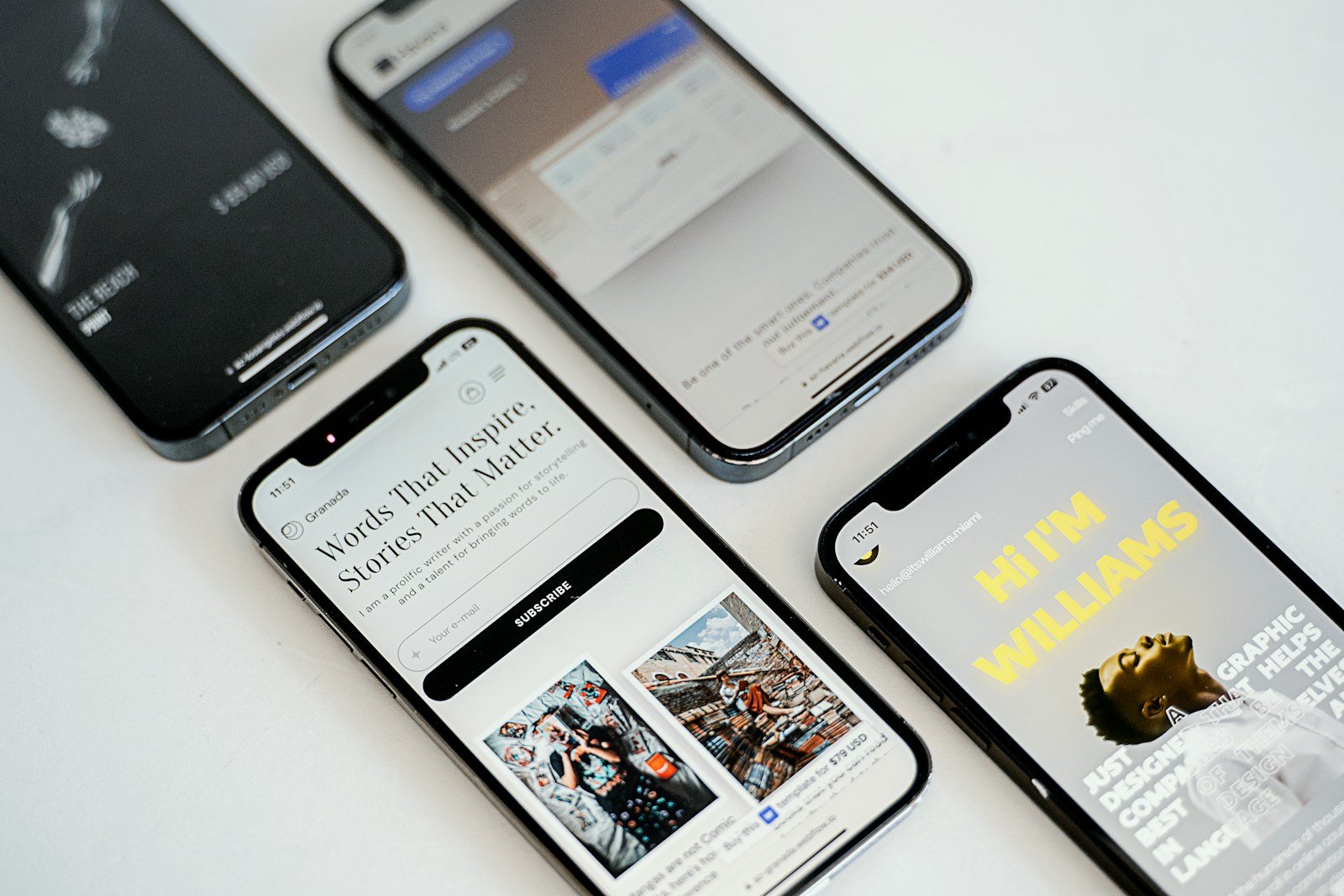
A mobile phone (or smartphone) is a portable electronic device that allows users to make calls, send messages, access the internet, and run applications. Modern smartphones function as mini-computers with advanced hardware and software capabilities.
Key Mobile Phone Components
Component
Description
Processor (CPU)
Handles performance and multitasking
RAM
Affects speed and app switching
Storage
Stores apps, photos, and files
Battery
Determines usage time
Camera System
Photos, videos, and video calls
Display
Screen size, resolution, and refresh rate
Operating System
Controls software and user interface
2. Mobile Operating Systems
The operating system (OS) defines how users interact with their phones and which apps are available.
Major Mobile Operating Systems
OS
Developer
Key Features
App Ecosystem
Android
Google
Customizable, wide device range
Google Play Store
iOS
Apple
Security-focused, seamless ecosystem
Apple App Store
HarmonyOS
Huawei
Integrated ecosystem
AppGallery
3. Types of Mobile Phones
Common Categories
Type
Description
Typical Users
Feature Phones
Basic calling and SMS
Seniors, backup users
Budget Smartphones
Affordable, basic features
First-time users
Mid-Range Smartphones
Balanced performance
Most consumers
Flagship Phones
High-end features
Power users, professionals
Foldable Phones
Flexible displays
Early adopters
4. What Are Mobile Service Providers?
A mobile service provider (also called a carrier or network operator) delivers wireless connectivity, including voice, text, and data services.
Types of Mobile Providers
Provider Type
Description
MNO (Mobile Network Operator)
Owns and operates network infrastructure
MVNO (Mobile Virtual Network Operator)
Rents network access from MNOs
Regional Carriers
Operate in limited geographic areas
5. Major Global Mobile Service Providers
Provider
Region
Network Type
Verizon
USA
4G / 5G
AT&T
USA
4G / 5G
T-Mobile
USA
4G / 5G
Vodafone
Global
4G / 5G
Orange
Europe/Africa
4G / 5G
China Mobile
China
4G / 5G
6. Mobile Network Technologies
Mobile networks determine speed, latency, and reliability.
Network Generations Explained
Generation
Max Speed
Common Uses
2G
~100 Kbps
Calls, SMS
3G
~2 Mbps
Basic browsing
4G LTE
~100 Mbps
Streaming, gaming
5G
1–10 Gbps
AR, IoT, cloud gaming
7. Mobile Phone Plans
Service providers offer various pricing models.
Common Plan Types
Plan Type
Description
Best For
Prepaid
Pay in advance
Budget control
Postpaid
Monthly billing
Heavy users
Unlimited
No data caps (fair usage applies)
Streamers
Family Plans
Shared data
Households
Business Plans
Enterprise features
Companies
8. Locked vs Unlocked Phones
Feature
Locked Phone
Unlocked Phone
Carrier Restriction
Yes
No
Flexibility
Limited
High
Price
Often discounted
Full retail
International Use
Limited
Easy
9. Choosing the Right Mobile Phone and Provider
Factors to Consider
Coverage quality in your area
Data usage needs
Device compatibility
Budget
Customer support
International roaming
10. Future Trends in Mobile Technology
Trend
Impact
eSIM
No physical SIM cards
AI-powered phones
Smarter cameras & assistants
Satellite connectivity
Coverage in remote areas
6G research
Ultra-low latency
Sustainable devices
Eco-friendly materials
Conclusion
Mobile phones and service providers are deeply interconnected. The phone determines what you can do, while the service provider determines how well you can do it. Understanding devices, networks, and plans empowers users to choose solutions that match their lifestyle, budget, and performance expectations.
As mobile technology continues to evolve, consumers can expect faster networks, smarter devices, and more flexible service options.