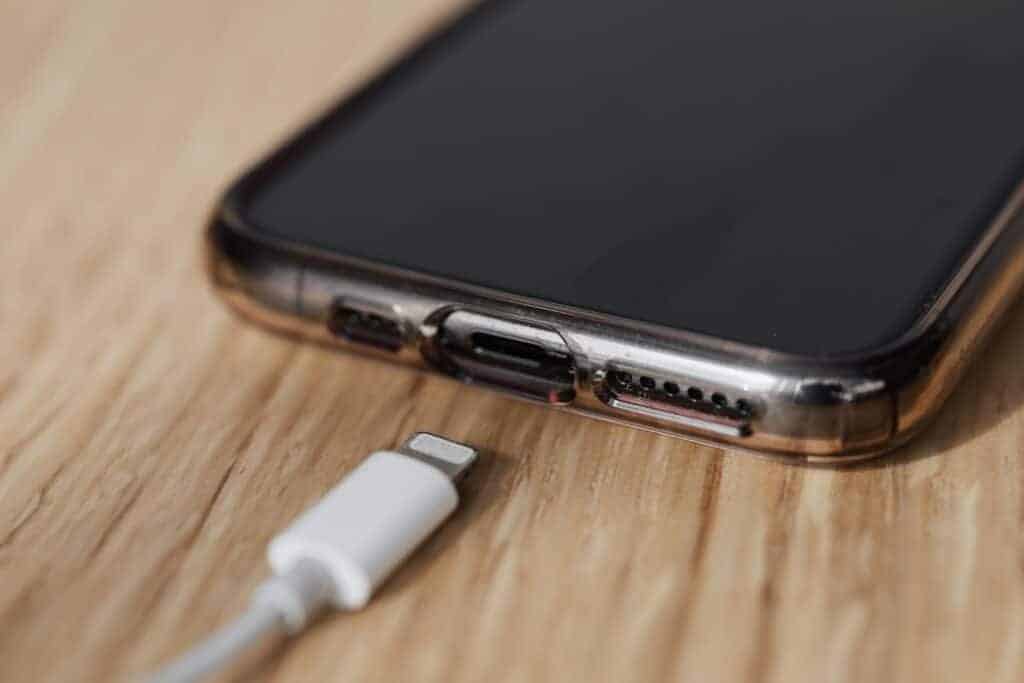
iPhones no longer come with chargers in the box. Apple stopped including power adapters with new iPhones starting with the iPhone 12 in 2020. This change affects all current models, including the iPhone 15.
When you buy a new iPhone, you’ll find a USB-C to Lightning cable in the box. This cable lets you charge your iPhone using existing USB-C power adapters or computer ports. But you’ll need to buy a separate wall charger if you don’t already have one.
Apple made this change to cut down on e-waste. By not including chargers, they use less packaging and ship more phones per pallet. This helps reduce their carbon footprint. If you need a new charger, you have many options from Apple and third-party makers.
| iPhone Model | Included in Box | Not Included |
|---|---|---|
| iPhone 15 | USB-C cable | Wall charger |
| iPhone 14 | USB-C cable | Wall charger |
| iPhone 13 | USB-C cable | Wall charger |
Do iPhones Come with Chargers?
Short answer: New iPhones do not come with a power adapter (wall charger) — but they do include a charging cable.
Here’s exactly what you get and what you may need to buy.
📦 What Comes in the Box with a New iPhone?
For current models (including iPhone 15, 16, and 17 lineup), Apple includes:
- ✅ The iPhone
- ✅ A USB‑C charging cable
- ✅ Documentation
- ❌ No power adapter (wall plug)
- ❌ No wired EarPods
Apple removed the power adapter from the box starting with the iPhone 12 and has continued this policy with newer models.
🔌 What Kind of Charger Do You Need?
✅ For iPhone 15 and Later (USB‑C Port)
These models use USB‑C to USB‑C charging.
You’ll need:
- A USB‑C power adapter (20W or higher recommended)
- The included USB‑C cable
✅ For iPhone 14 and Earlier (Lightning Port)
These models use:
- USB‑C to Lightning cable (included in recent boxes)
- A compatible USB‑C power adapter
⚡ Do iPhones Support Fast Charging?
Yes.
Apple states that compatible models can fast charge to around 50% in about 30 minutes with the proper adapter and cable (source: Apple Support – Fast Charge).
To fast charge, you need:
- A compatible iPhone (iPhone 8 or later)
- A 20W or higher USB‑C power adapter
- A USB‑C cable
🔋 Can You Charge Wirelessly?
Yes. Modern iPhones support:
- ✅ Qi wireless charging
- ✅ MagSafe charging (magnetic alignment on supported models)
Apple provides instructions for wireless charging on its support site (source: Apple Support – Wireless Charging).
Note: Wireless chargers are sold separately.
💰 Why Doesn’t Apple Include a Charger?
Apple says removing the power adapter helps:
- Reduce electronic waste
- Lower packaging size
- Reduce carbon emissions
This change started in 2020 and continues today.
🛒 Do You Need to Buy a Charger?
You may not need one if you already have:
- A USB‑C power adapter
- A previous iPhone charger
- A compatible laptop USB‑C port
- A wireless charging pad
You will need to buy one if:
- You don’t own a USB‑C power adapter
- You’re switching from a much older charger (USB‑A only)
- You want fast charging but only have a low‑watt adapter
Apple and third-party brands like Anker and Belkin sell compatible charging accessories (source: Apple Accessories Store).
✅ Quick Summary
| Item | Included in Box? |
|---|---|
| iPhone | ✅ Yes |
| USB‑C Charging Cable | ✅ Yes |
| Power Adapter (Wall Charger) | ❌ No |
| EarPods | ❌ No |
Bottom Line
No, new iPhones do not come with a wall charger.
They include a charging cable, but you’ll need to supply or purchase a compatible power adapter separately.
iPhone Charging Accessories History
Apple’s charging accessories have evolved significantly since the iPhone’s debut. The company has made notable changes to both power and audio peripherals over the years.
Evolution of iPhone Chargers
The original iPhone came with a 30-pin connector and a USB-A wall charger. In 2012, Apple introduced the Lightning connector with the iPhone 5. This smaller, reversible port became standard for several years.
Apple later improved charging speeds. The iPhone 8 and X added fast charging support with USB-C power adapters. Wireless charging also debuted on these models.
In 2020, Apple stopped including chargers with new iPhones. The company cited environmental reasons for this change. Users now need to purchase power adapters separately.
The latest shift came in 2023. Apple replaced Lightning with USB-C on the iPhone 15 line. This move aligns with EU regulations and offers faster data transfer speeds.
From EarPods to AirPods: The Audio Transition
EarPods were Apple’s wired earbuds included with iPhones for years. They connected via the 30-pin or Lightning port depending on the iPhone model.
In 2016, Apple introduced AirPods. These wireless earbuds marked a significant shift in mobile audio. They offered easy pairing and a truly wireless experience.
The iPhone 7 was the first to remove the headphone jack. This push toward wireless audio continued with newer models. Apple stopped including EarPods with iPhones in 2020.
AirPods have seen several iterations. The AirPods Pro added active noise cancellation. Each new version improved sound quality and features.
The Shift from USB-A to USB-C in iPhone Packaging
Early iPhones came with USB-A to 30-pin or Lightning cables. These connected to the included wall charger or a computer for syncing and charging.
As USB-C gained popularity, Apple began a gradual transition. The iPhone 11 Pro was the first to include a USB-C to Lightning cable. This allowed for faster charging with compatible power adapters.
By 2020, all new iPhones came with USB-C to Lightning cables. However, Apple no longer included wall chargers in the box.
The iPhone 15 completed the shift to USB-C. Both ends of the included cable now use this standard. This change offers several benefits:
| Benefit | Description |
|---|---|
| Universal compatibility | Works with many non-Apple devices |
| Faster data transfer | Up to 40 Gbps on Pro models |
| Improved charging speeds | Supports various fast charging standards |
Users can now use a single cable for multiple devices, simplifying their charging setup.
Environmental Considerations in Product Design
Apple’s approach to product design prioritizes environmental impact. The company focuses on reducing e-waste and implementing sustainable packaging solutions for iPhones and other devices.
Apple’s Commitment to E-Waste Reduction
Apple has taken steps to minimize electronic waste from its products. The company achieved a Gold rating for the iPhone 13 in the United States and Canada based on environmental standards. This rating reflects Apple’s efforts to create more sustainable devices.
One notable change is the removal of chargers from new iPhone boxes. While controversial, this decision aims to reduce electronic waste. Apple argues that many users already have compatible chargers, making new ones unnecessary.
The iPhone 12 Pro’s design also demonstrates Apple’s e-waste reduction efforts. It meets EPEAT environmental requirements for computers, displays, and mobile phones.
Sustainable Packaging Initiatives
Apple has made significant strides in creating eco-friendly packaging for its products. The iPhone 11, for example, uses packaging with less than 7% plastic. This reduction in plastic use helps minimize the environmental impact of product packaging.
The company sources 100% of its wood fiber for packaging from recycled and responsible sources. This commitment ensures that Apple’s packaging practices do not contribute to deforestation or other harmful environmental effects.
| Packaging Material | Percentage |
|---|---|
| Recycled/Responsible Wood Fiber | 100% |
| Plastic | <7% |
These initiatives demonstrate Apple’s ongoing efforts to balance product design with environmental responsibility. By focusing on sustainable materials and reducing waste, the company aims to lessen its ecological footprint.
The State of iPhone Chargers in the Market
The iPhone charger landscape has changed significantly. Apple no longer includes chargers with new iPhones. This shift has created a diverse market of both official and third-party charging options.
iPhone Charger Availability and Choices
Apple sells its own chargers separately. The 20W USB-C power adapter is popular for fast charging newer iPhones. MagSafe chargers offer wireless convenience for iPhone 12 and later models.
Third-party brands like Anker and Belkin produce high-quality alternatives. These often cost less than Apple’s options. Many support fast charging and come in various wattages.
Qi wireless charging pads work with iPhones 8 and newer. They provide a cable-free charging experience. However, they charge more slowly than wired or MagSafe options.
Third-Party Chargers: Options and Safety
The market offers many third-party chargers. Some key considerations:
- Compatibility: Ensure the charger works with your iPhone model.
- Wattage: Higher wattage chargers can charge devices faster.
- Certifications: Look for MFi (Made for iPhone) certification for safety.
| Brand | Fast Charging | MFi Certified | Wireless |
|---|---|---|---|
| Anker | Yes | Yes | Some |
| Belkin | Yes | Yes | Some |
| Ugreen | Yes | Some | Some |
Reputable brands prioritize safety features. These protect against overheating and overcharging. Cheap, uncertified chargers may pose risks to your device.
USB-C chargers are becoming standard. They work with iPhone 15 and newer models. Older iPhones need Lightning cables or adapters.
Charging Technology and User Experience
iPhone charging technology has evolved significantly. Modern iPhones offer fast charging capabilities and wireless options that enhance convenience.
Fast Charging and Its Impact on Battery Life
Fast charging has become a staple feature for iPhones. The latest models can charge up to 50% in about 30 minutes using a 20W USB-C power adapter. This speed is particularly useful when you’re short on time.
However, fast charging may affect battery longevity. While convenient, it generates more heat which can degrade battery cells over time. To balance speed and battery health:
- Use fast charging sparingly
- Remove protective cases during charging
- Avoid charging in hot environments
Apple has implemented safeguards to minimize negative impacts. Their software optimizes charging patterns based on your usage habits.
Wireless Charging and MagSafe Technology
Wireless charging offers a cable-free experience for iPhone users. Standard Qi chargers provide up to 7.5W of power. Apple’s MagSafe technology takes this further with:
- 15W charging speeds
- Magnetic alignment for optimal positioning
- Compatibility with various accessories
MagSafe chargers snap into place, ensuring efficient power transfer. This table compares charging options:
| Charging Method | Max Power | Pros | Cons |
|---|---|---|---|
| USB-C Wired | 20W+ | Fastest, widely available | Requires cable |
| MagSafe Wireless | 15W | Convenient, accessory ecosystem | More expensive |
| Qi Wireless | 7.5W | Universal compatibility | Slower, less precise |
Wireless charging is ideal for overnight use or when convenience trumps speed. It’s compatible with many iPhone cases, adding to its practicality.
Frequently Asked Questions
iPhone charging accessories have changed over the years. Apple’s policies on included chargers vary between models and release dates. Let’s address some common questions about iPhone chargers.
Are chargers included in the box with new iPhone models?
New iPhones no longer come with chargers. Apple stopped including power adapters with iPhones starting in 2020. This applies to all current models including the iPhone 13 and 15 series.
What type of charger can be expected with the purchase of an iPhone?
You won’t find a charger in your new iPhone box. Apple only includes a USB-C to Lightning cable. You’ll need to use an existing charger or buy a new one separately.
Why might chargers no longer be included with new iPhones?
Apple cites environmental reasons for removing chargers. They aim to reduce electronic waste. Many users already own compatible chargers from previous devices.
Are USB-C cables provided with iPhone purchases?
Yes, new iPhones come with a USB-C to Lightning cable. This cable works with USB-C power adapters. It’s not compatible with older USB-A chargers.
Do the latest iPhone models come with any charging accessories?
The only charging accessory in new iPhone boxes is the USB-C to Lightning cable. You don’t get a power adapter or EarPods anymore.
Is there a difference in included charging equipment among different iPhone models?
No, all current iPhone models have the same included charging equipment. You get a USB-C to Lightning cable regardless of which iPhone you buy.
| Included with iPhone | Not Included with iPhone |
|---|---|
| USB-C to Lightning cable | Power adapter |
| EarPods | |
| Wireless charger |