
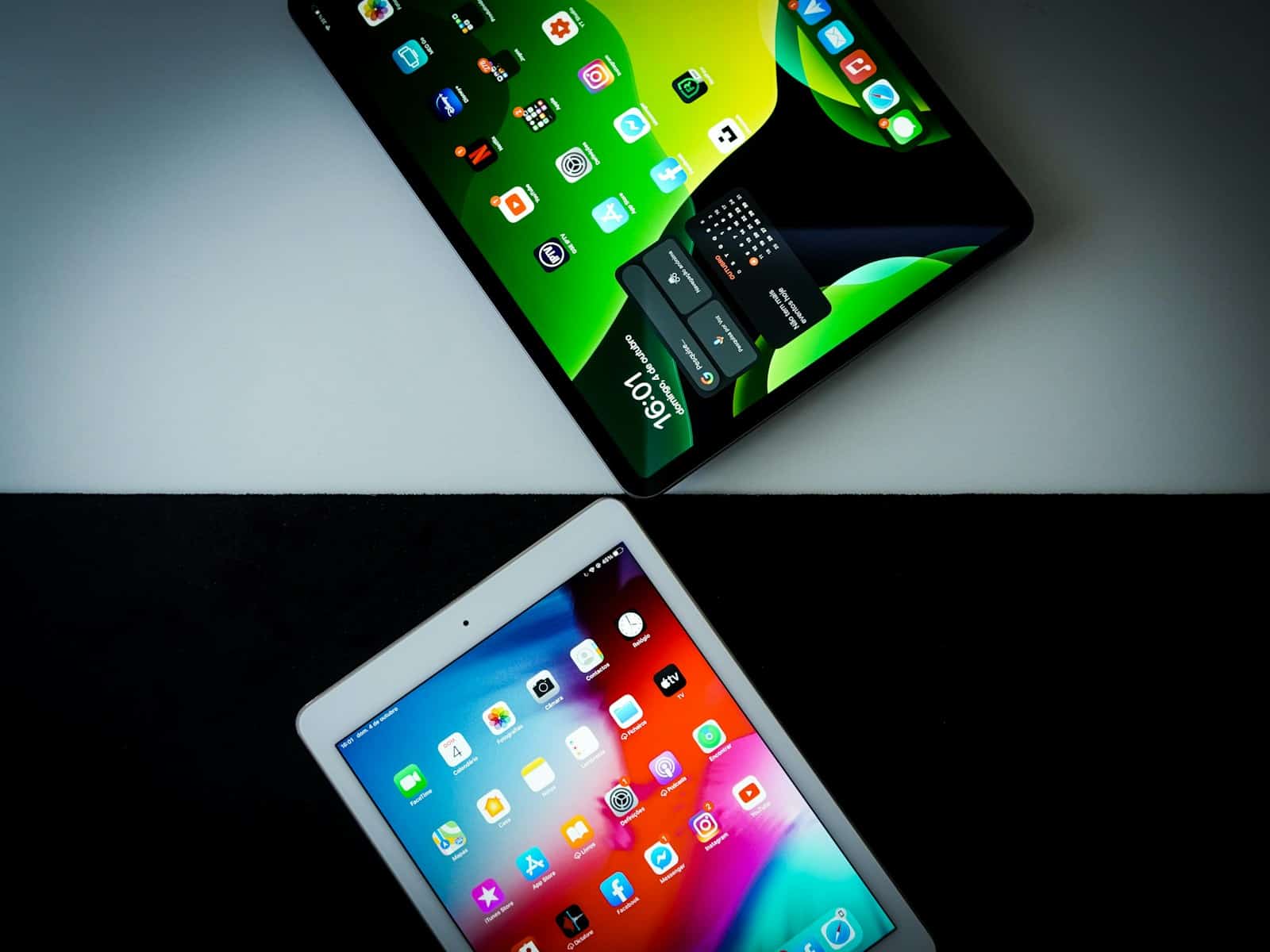
Apple’s iPad has dominated the tablet market since its introduction, but competition from Android tablets and other form factors continues to evolve. Understanding iPad market share helps explain Apple’s position in the broader tablet ecosystem and where the market is heading.
This article breaks down iPad market share, recent trends, and key takeaways, with a clear table summarizing the data.
iPad Market Share Overview
Apple consistently holds the largest share of the global tablet market, often controlling around 35–45% worldwide, depending on the quarter and region. No other single tablet brand comes close to this level of dominance.
While Apple doesn’t always ship the most units every quarter, it leads in:
- Revenue share
- Premium tablet sales
- Long‑term user retention
Global Tablet Market Share (Recent Estimates)
Below is a typical breakdown of global tablet market share by brand, based on aggregated industry reports (such as IDC and Canalys). Percentages vary slightly by quarter but reflect current trends.
| Brand | Estimated Global Market Share |
|---|---|
| Apple (iPad) | 38% – 42% |
| Samsung | 18% – 22% |
| Lenovo | 8% – 10% |
| Huawei | 6% – 8% |
| Amazon | 5% – 7% |
| Other Brands | 10% – 15% |
Why Apple Leads the Tablet Market
1. Strong Ecosystem Integration
iPads work seamlessly with:
- iPhones
- MacBooks
- Apple Watch
- iCloud and Apple services
This ecosystem advantage keeps users loyal and drives repeat purchases.
2. Broad Product Lineup
Apple covers multiple price points:
- iPad (standard) for casual users and education
- iPad mini for portability
- iPad Air for performance and value
- iPad Pro for professionals
Few competitors offer such a well‑defined tablet lineup.
3. Software and Longevity
iPads receive:
- iPadOS updates for many years
- Consistent security patches
- High‑quality, tablet‑optimized apps
This long‑term support increases the perceived value of iPads.
Regional Differences in iPad Market Share
- North America: iPad dominates with well over 50% market share
- Europe: Strong leadership, though Samsung and Lenovo compete closely
- China: More competitive due to local brands
- Education sector: iPad remains the leading tablet in many countries
iPad vs Android Tablets
While Android tablets collectively ship more units in some quarters, they are fragmented across many brands. Apple’s advantage lies in single‑brand dominance and higher margins.
Key differences:
- iPads lead in premium pricing
- Android tablets lead in budget segments
- iPadOS is often seen as more optimized for tablets
Market Trends Affecting iPad Share
Slower Overall Tablet Growth
The tablet market has matured, with growth spikes mainly driven by:
- Remote work
- Education demand
- Device refresh cycles
Rise of Hybrid Devices
Laptops and 2‑in‑1 devices compete with tablets, but the iPad—especially iPad Pro—has adapted well to this trend.
What the Future Looks Like for iPad Market Share
Apple is expected to:
- Maintain market leadership
- Focus on premium and professional users
- Expand capabilities with iPadOS improvements
Even as competition increases, Apple’s combination of hardware, software, and services makes it difficult for rivals to close the gap.
Final Thoughts
The iPad continues to dominate the global tablet market, holding a commanding share that no single competitor can match. While Android tablets remain strong collectively, Apple’s iPad leads in brand recognition, ecosystem strength, and long‑term user satisfaction.
As tablets evolve and blur the line between laptops and mobile devices, the iPad’s market position appears stable—and likely to remain so for the foreseeable future.