
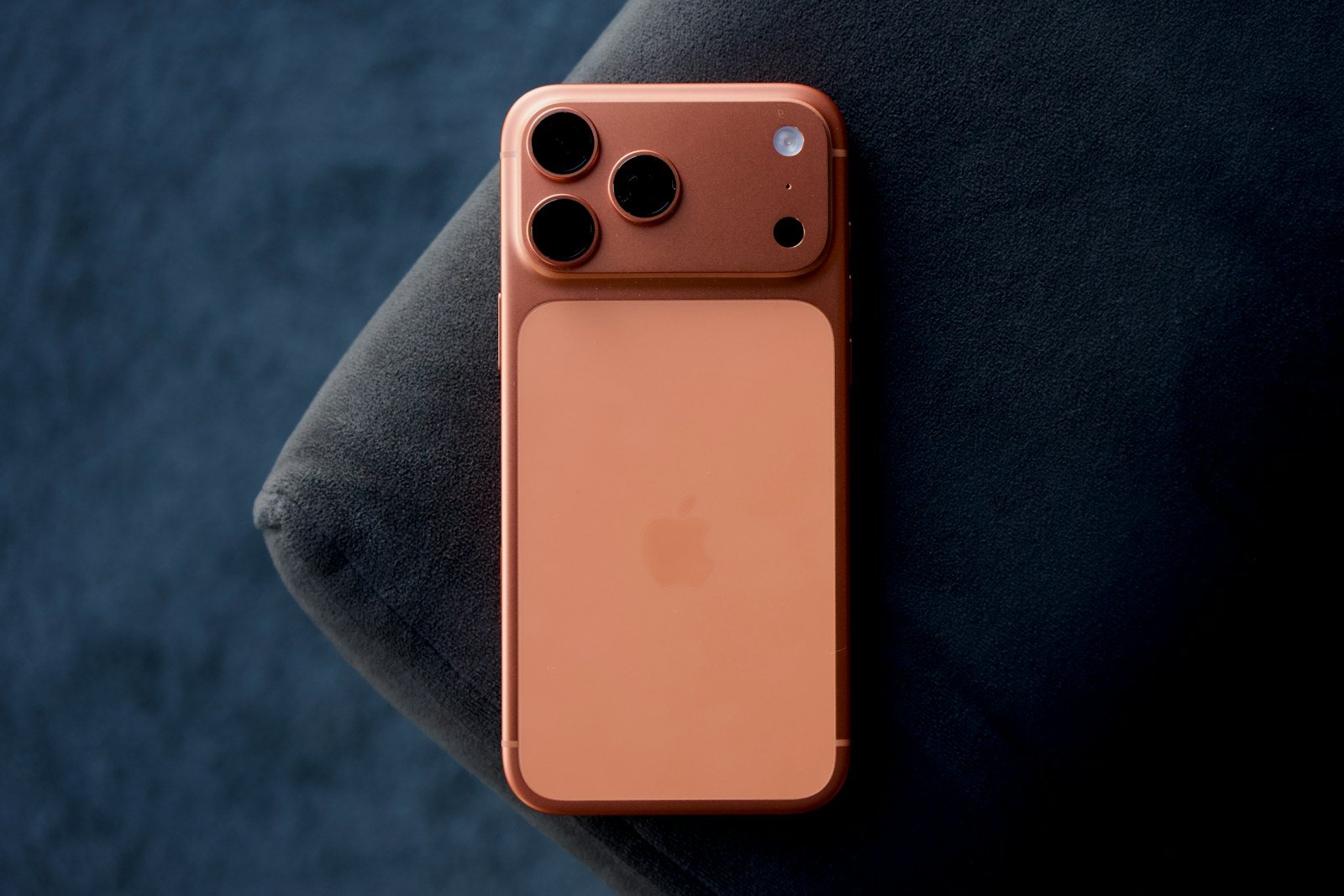
Smartphones with larger screens have become a mainstay in the productivity and entertainment spaces. Bigger iPhones, for instance, offer substantial screen real estate, making tasks like reading and video streaming more enjoyable. Their larger displays also tend to enhance the user’s experience with more detailed and immersive visuals, greatly benefiting gaming and professional applications where fine details are crucial.
These devices not only come with bigger screens but often pack in advancements in performance as well. The improvement in hardware typically includes faster processors and more RAM which allow these phones to handle complex tasks and multitasking with ease. Furthermore, their substantial size often allows for larger batteries, resulting in longer battery life which is a significant plus for users who are often on the move.
Which iPhone Has The Biggest Size? Complete Guide to iPhone Sizes
With Apple’s iPhone lineup spanning from the compact iPhone SE to the massive Pro Max models, choosing the right size can significantly impact your daily experience. As of 2026, Apple has introduced the iPhone 17 series, including a revolutionary new “iPhone Air” model that replaces the Plus lineup. This comprehensive guide examines which iPhone is truly the biggest and helps you understand how size affects usability, comfort, and functionality.
Executive Summary: The Biggest iPhone in 2026
Largest iPhone Ever Made: iPhone 17 Pro Max
Quick Answer:
- Tallest: iPhone 17 Pro Max (6.9-inch display)
- Widest: iPhone 17 Pro Max
- Heaviest: iPhone 14 Pro Max (240g) – stainless steel construction
- Largest Display: iPhone 17 Pro Max (6.9 inches)
- Thinnest Large Phone: iPhone 17 Air (6.25mm despite 6.6-inch display)
Current iPhone Size Rankings (2026):
- 🥇 iPhone 17 Pro Max – 6.9″ display (largest)
- 🥈 iPhone 17 Plus – 6.7″ display
- 🥉 iPhone 17 Air – 6.6″ display (thinnest design)
- iPhone 17 Pro – 6.3″ display
- iPhone 17 – 6.1″ display
- iPhone SE (3rd gen) – 4.7″ display (smallest)
The Biggest iPhone: iPhone 17 Pro Max (2025)
Display Specifications
The iPhone 17 Pro Max features the largest display ever on an iPhone (source: WhatSizeOf):
Screen Details:
- Display Size: 6.9 inches (diagonal)
- Display Type: Super Retina XDR OLED with ProMotion
- Resolution: 2868 x 1320 pixels (approximately)
- Refresh Rate: 1-120Hz adaptive ProMotion
- Peak Brightness: 2,500+ nits
- Technology: LTPO (Low-Temperature Polycrystalline Oxide) for always-on display
Physical Dimensions
Size Measurements:
- Height: 163.0 mm (6.42 inches)
- Width: 77.8 mm (3.06 inches)
- Depth: 8.25 mm (0.32 inches)
- Weight: 221 grams (7.80 oz)
Construction:
- Titanium frame (lighter than stainless steel)
- Ceramic Shield front
- Textured matte glass back
- Grade 5 titanium (aerospace-grade)
How It Compares to Previous Largest iPhones
| iPhone Model | Display Size | Height | Width | Weight |
|---|---|---|---|---|
| iPhone 17 Pro Max (2025) | 6.9″ | 163.0 mm | 77.8 mm | 221g |
| iPhone 16 Pro Max (2024) | 6.7″ | 159.9 mm | 76.7 mm | 227g |
| iPhone 15 Pro Max (2023) | 6.7″ | 159.9 mm | 76.7 mm | 221g |
| iPhone 14 Pro Max (2022) | 6.7″ | 160.7 mm | 77.6 mm | 240g |
| iPhone 13 Pro Max (2021) | 6.7″ | 160.8 mm | 78.1 mm | 238g |
| iPhone 12 Pro Max (2020) | 6.7″ | 160.8 mm | 78.1 mm | 228g |
Key Insight: The iPhone 17 Pro Max breaks the 6.7″ barrier that had been standard since 2020, offering the largest iPhone display to date (source: WhatSizeOf).
Why the iPhone 17 Pro Max Is Bigger
Design Changes:
- ✅ Thinner bezels: Advanced manufacturing allows for larger screen in similar footprint
- ✅ Optimized internals: More efficient component layout
- ✅ Display technology: LTPO allows for thinner display stack
- ✅ Titanium frame: Stronger material allows for larger size without excessive weight
Complete iPhone 17 Series Size Comparison (2025)
Apple’s 2025 lineup introduces significant changes, including the new iPhone Air model (source: WhistleOut).
iPhone 17 Series Overview
| Model | Display | Height | Width | Depth | Weight |
|---|---|---|---|---|---|
| iPhone 17 Pro Max | 6.9″ | 163.0 mm | 77.8 mm | 8.25 mm | 221g |
| iPhone 17 Plus | 6.7″ | 160.7 mm | 77.6 mm | 7.80 mm | 199g |
| iPhone 17 Air | 6.6″ | 159.0 mm | 76.0 mm | 6.25 mm | 175g |
| iPhone 17 Pro | 6.3″ | 149.6 mm | 71.5 mm | 8.25 mm | 199g |
| iPhone 17 | 6.1″ | 147.6 mm | 71.6 mm | 7.80 mm | 171g |
The iPhone Air: Apple’s Ultra-Thin Revolution
The biggest surprise in the iPhone 17 lineup is the new iPhone Air (source: WhistleOut):
Key Features:
- Thickness: 6.25mm (thinnest iPhone since iPhone 6)
- Display: 6.6 inches (larger than standard iPhone 17)
- Processor: A18 Pro chip (Pro-level performance)
- Weight: 175g (remarkably light for size)
- Purpose: Replaces iPhone Plus line with emphasis on portability
Why It Matters:
- Offers large display in ultra-portable form
- Targets users who want size without bulk
- Pro-level processor in non-Pro design
- Most significant design innovation since iPhone X
Trade-offs:
- Single rear camera (vs. triple on Pro models)
- No telephoto or ultra-wide lenses
- Slightly smaller battery than Plus models
- No always-on display
Camera System Differences (source: WhistleOut)
All iPhone 17 models feature the Center Stage front camera with 18MP lens, a significant upgrade from previous 12MP front cameras.
Rear Camera Specifications:
iPhone 17 Pro Max / Pro:
- Triple camera system
- 48MP main (wide)
- 48MP ultra-wide
- 48MP telephoto with 5x optical zoom (Pro Max) / 3x (Pro)
iPhone 17 Plus / iPhone 17:
- Dual camera system
- 48MP main
- 12MP ultra-wide
iPhone 17 Air:
- Single 48MP main camera
- Computational photography for portrait effects
Size Comparison: All iPhone Models Currently Available (2026)
Active iPhone Lineup (As of 2026)
Apple typically sells current-generation plus two previous generations:
| iPhone Model | Year | Display | Dimensions (H×W×D) | Weight |
|---|---|---|---|---|
| iPhone 17 Pro Max | 2025 | 6.9″ | 163.0×77.8×8.25 mm | 221g |
| iPhone 17 Plus | 2025 | 6.7″ | 160.7×77.6×7.80 mm | 199g |
| iPhone 17 Air | 2025 | 6.6″ | 159.0×76.0×6.25 mm | 175g |
| iPhone 17 Pro | 2025 | 6.3″ | 149.6×71.5×8.25 mm | 199g |
| iPhone 17 | 2025 | 6.1″ | 147.6×71.6×7.80 mm | 171g |
| iPhone 16 Pro Max | 2024 | 6.7″ | 159.9×76.7×8.25 mm | 227g |
| iPhone 16 Plus | 2024 | 6.7″ | 160.8×77.8×7.80 mm | 199g |
| iPhone 16 Pro | 2024 | 6.3″ | 149.6×71.5×8.25 mm | 199g |
| iPhone 16 | 2024 | 6.1″ | 147.6×71.6×7.80 mm | 170g |
| iPhone 15 Pro Max | 2023 | 6.7″ | 159.9×76.7×8.25 mm | 221g |
| iPhone 15 Plus | 2023 | 6.7″ | 160.9×77.8×7.80 mm | 201g |
| iPhone 15 Pro | 2023 | 6.1″ | 146.6×70.6×8.25 mm | 187g |
| iPhone 15 | 2023 | 6.1″ | 147.6×71.6×7.80 mm | 171g |
| iPhone SE (3rd gen) | 2022 | 4.7″ | 138.4×67.3×7.3 mm | 144g |
Size Categories Explained
Extra Large (6.7″+ displays):
- iPhone 17 Pro Max (6.9″)
- iPhone 17 Plus (6.7″)
- iPhone 16 Pro Max (6.7″)
- iPhone 16 Plus (6.7″)
- iPhone 15 Pro Max (6.7″)
- iPhone 15 Plus (6.7″)
Large (6.3-6.6″ displays):
- iPhone 17 Air (6.6″)
- iPhone 17 Pro (6.3″)
- iPhone 16 Pro (6.3″)
Standard (6.1″ displays):
- iPhone 17 (6.1″)
- iPhone 16 (6.1″)
- iPhone 15 Pro (6.1″)
- iPhone 15 (6.1″)
Compact (4.7″ displays):
- iPhone SE (3rd generation) (4.7″)
Historical Context: How iPhone Sizes Have Evolved
The Growth of iPhone Displays
| Era | Years | Largest Display | Notes |
|---|---|---|---|
| Original Era | 2007-2011 | 3.5″ | iPhone through iPhone 4S |
| Slightly Bigger | 2012-2013 | 4.0″ | iPhone 5 series introduced taller screen |
| Big Phone Era Begins | 2014-2016 | 5.5″ | iPhone 6 Plus started “phablet” trend |
| Edge-to-Edge | 2017-2019 | 6.5″ | iPhone X eliminated bezels, iPhone 11 Pro Max |
Key Takeaways
- Bigger iPhones improve multimedia consumption and productivity.
- Enhanced performance features support complex tasks efficiently.
- Increased battery life is a common benefit due to larger phone size.
Design and Display
Apple’s iPhone designs are marked by a dedication to sleekness and durable materials. The display technology has evolved to enhance the visual experience for users across various models.
Design Evolution and Materials
Apple’s iPhone has undergone significant changes in its design over the years, with the latest models boasting a robust construction. Materials like aerospace-grade aluminum, stainless steel, and even titanium make up the iPhone’s body, while Ceramic Shield technology ensures the screen is more resistant to drops than any other smartphone glass.
Display Technology
The Super Retina XDR display is a key feature in new iPhones. This OLED display provides exceptional brightness, contrast, and high resolution for a more vibrant visual experience. HDR technology enhances colors and details in images and videos, contributing to a dynamic viewing experience on the device.
Screen Size Variants
Newer iPhones are available in several screen sizes to cater to different preferences. Notably, the 6.7-inch display offers users a vast screen area without significant increases to the phone’s overall size, thanks to slimmer bezels and a smaller notch. The display sizes are significant not only for comfort but also for functionality, as they impact how content is viewed and interacted with on the device.
Color Options
Color options for iPhones often extend beyond the standard black and white. New releases usually come with a selection of different finishes. These colors provide a personalized touch to the device and are crafted to be visually appealing while complementing the iPhone’s premium design.
Performance and Hardware
When selecting a big iPhone, it’s vital to consider the inner workings that power the device. This includes the processor, battery, storage, cameras, and connectivity options.
Processor Capabilities
Apple equips its big iPhones with powerful processors. The iPhone 14 series features the A15 Bionic chip, while the iPhone 15 Pro and iPhone 15 Pro Max boast the newer A17 Pro chip. Each processor includes a Neural Engine for enhanced machine learning tasks.
Battery Life Enhancements
Battery technology has seen improvements with each iPhone iteration. For instance, the iPhone 15 Pro Max supports an extended battery life, allowing users to engage with their device longer between charges compared to earlier models like the iPhone 14 or the iPhone 13 Pro Max.
Storage Options
Big iPhones offer a variety of storage capacities. Consumers can choose from a range of options, typically starting from 128GB and extending up to 1TB for the higher-end models like the iPhone 15 Pro Max, ensuring ample space for applications and media.
Camera Systems
Camera technology is a standout feature in big iPhones. The iPhone 15 Pro Max includes a high-resolution rear camera system with wide, telephoto, and ultra wide lenses. The Photonic Engine and features like Night Mode enhance photography, especially in low-light conditions.
Connectivity and Accessories
Connectivity in large iPhones extends to 5G and Wi-Fi 6 support, ensuring fast internet speeds. Accessory compatibility includes MagSafe for effortless wireless charging and a range of click-on accessories. AirPods and the Apple Watch also integrate seamlessly, while a USB-C port offers universal charging and data transfer options.