The history of the iPad is a testament to Apple’s innovation in technology. In 2010, Apple introduced the iPad, shaping the tablet industry with a powerful mix of portability and functionality. The iPad merged the richness of a computer with the agility of a smartphone. As a tablet, it offered users a new way to engage with media, play games, and stay connected. Its design and ease of use set a standard that competitors would follow.
Over the years, the iPad has seen numerous upgrades. Apple improved the iPad’s hardware and software to enhance the user experience. Better screens, faster processors, and sleeker designs define each new generation. The integration of new features such as Apple Pencil support has expanded the iPad’s range of uses in creative and productive fields. With each iteration, Apple ensures the iPad remains at the forefront of the tablet market, pushing the boundaries of what these devices can achieve.
Connectivity advancements have also played a significant role in the evolution of the iPad. Modern iPads come with options like high-speed cellular data connectivity, making them more functional for on-the-go use. Apple’s commitment to a comprehensive ecosystem means the iPad works seamlessly with other Apple devices, ensuring a connected experience for users. These steps have solidified the iPad’s position as a versatile tool in both personal and professional environments.
History of iPad: Tracing Apple’s Iconic Tablet Evolution
Since its debut in 2010, the iPad has transformed from a bold experiment into one of the most influential consumer electronics products ever made. Blending portability, performance, and an expansive app ecosystem, Apple’s tablet has reshaped education, business, entertainment, and creative work. With over 670 million units sold as of 2022 and a dominant global tablet market share for much of its lifespan, the iPad remains the benchmark for modern tablets.
This is the complete story of the iPad — from early concepts to the latest 2026 models powered by Apple silicon.
The Vision Before the iPad
The iPad’s roots stretch back decades before its 2010 launch.
- 1983: Steve Jobs envisioned “an incredibly great computer in a book.”
- 1993: Apple released the Newton MessagePad, an early PDA with stylus input.
- Early 2000s: Apple prototyped tablet designs internally (including the stylus-based “Macintosh Folio” concept).
- The tablet concept predated the iPhone, but Apple prioritized developing the iPhone first.
By the mid‑2000s, advances in multi-touch and mobile processors made the iPad feasible.
2010: The First iPad
Announced: January 27, 2010
Released: April 3, 2010
Chip: Apple A4
Display: 9.7-inch, 1024×768
RAM: 256MB
Battery Life: 10 hours
The first iPad ran iPhone OS (later renamed iOS). It featured:
- Multi-touch display
- Wi‑Fi or Wi‑Fi + 3G models
- 30‑pin dock connector
- Access to the App Store
- Instant-on responsiveness
It was widely praised for software fluidity and battery life, with some calling it a “laptop killer.” Critics questioned its lack of Flash support and file management.
2011–2014: Refinement and Retina
iPad 2 (2011)
- Apple A5 (dual-core)
- Thinner and lighter
- Front and rear cameras
- FaceTime support
iPad (3rd generation) – 2012
- Apple A5X
- Retina Display (2048×1536) — a major milestone
iPad (4th generation) – 2012
- Apple A6X
- Lightning connector replaces 30‑pin
This era established the iPad as a media and productivity device.
Expanding the Lineup: Mini, Air, and Pro
Apple diversified the lineup to serve different users.
iPad mini (Launched 2012)
Created to compete with smaller tablets.
Key Milestones:
- 2012 (1st gen): 7.9-inch display, A5 chip
- 2013 (mini 2): Retina display
- 2019 (mini 5): A12 Bionic
- 2021 (mini 6):
- Redesigned with flat edges
- 8.3-inch Liquid Retina
- A15 Bionic
- USB‑C
- Center Stage camera
✅ Latest: iPad mini (7th generation) — 2024
Announced: October 15, 2024
Chip: A17 Pro
Built for: Apple Intelligence
Base storage: 128GB
Connectivity: Wi‑Fi 6E
USB‑C: Faster data transfer
Compatible with:
- Apple Pencil Pro
- Apple Pencil (USB‑C)
The mini now targets power users wanting portability without compromise.
iPad Air (Launched 2013)
The Air line emphasized thinness and power balance.
Evolution:
- 2013 (Air 1): A7 chip
- 2014 (Air 2): A8X
- 2019 (Air 3): A12 Bionic
- 2020 (Air 4): A14 Bionic, USB‑C redesign
- 2022 (Air 5): M1 chip — major leap
✅ Latest: iPad Air (8th generation) — 2026
Announced: March 2, 2026
Released: March 11, 2026
Chip: M4
RAM: 12GB
Display sizes: 11-inch and 13-inch
Features:
- Landscape front camera
- Apple Pencil Pro support
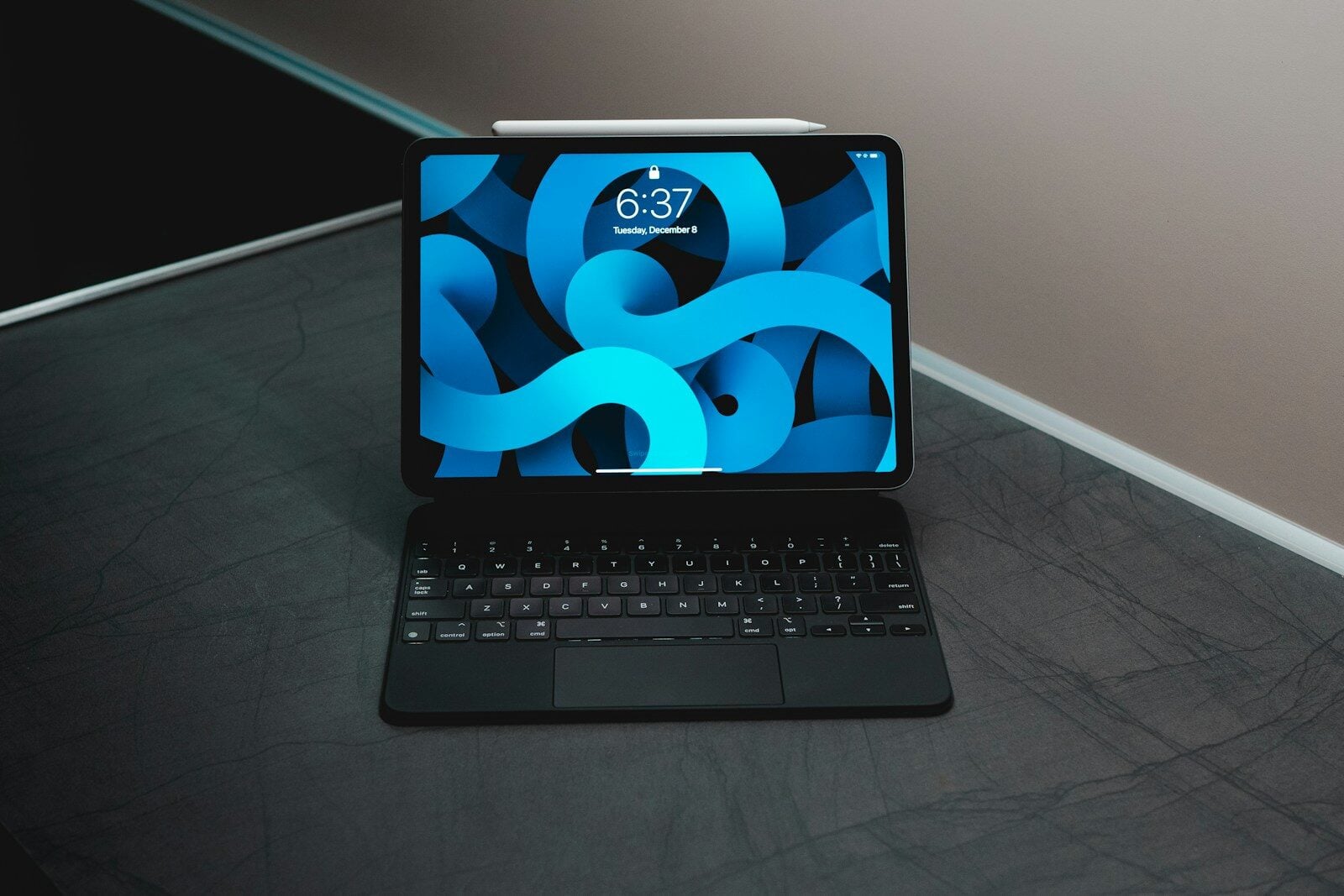
- Magic Keyboard for iPad Air
- Apple silicon desktop-class performance
The Air now rivals earlier Pro models in power.
iPad Pro (Launched 2015)
Designed for professionals and creatives.
Major Innovations:
- 2015: A9X, 12.9-inch model
- 2017: 120Hz ProMotion display
- 2018: Face ID, USB‑C
- 2020: LiDAR scanner
- 2021: M1 chip
- 2022: M2 chip
- 2024: M4 chip, OLED display
✅ Latest: iPad Pro (8th generation) — 2025
Announced: October 15, 2025
Released: October 22, 2025
Chip: M5
Key Features:
- Ultra XDR Tandem OLED display
- 11-inch (5.3mm thin)
- 13-inch (5.1mm thin)
- Wi‑Fi 7
- Bluetooth 6
- Apple C1X modem
- Apple N1 networking chip
- 50% charge in 30 minutes (40W adapter)
- Landscape camera
Compatible with:
- Apple Pencil Pro
- Apple Pencil (USB‑C)
- New thinner Magic Keyboard
The M5 iPad Pro is the most advanced tablet Apple has ever made.
The Standard iPad Line
The entry-level iPad remains Apple’s most accessible tablet.
Highlights:
- Gradual chip upgrades from A9 → A10 → A12 → A13 → A14
- 10.9-inch redesign (10th gen, 2022)
- USB‑C transition
- Landscape camera placement
✅ Latest: iPad (11th generation) — 2025
Announced: March 4, 2025
Released: March 12, 2025
Chip: A16 Bionic
Storage: Starts at 128GB (up to 512GB)
Supports:
- Magic Keyboard Folio
- Apple Pencil (USB‑C)
- Apple Pencil (1st generation)
Branding removed from back of device.
The Rise of iPadOS (2019–Present)
Originally running iOS, the iPad transitioned to iPadOS in 2019.
Enhancements include:
- Split View & Slide Over multitasking
- Apple Pencil integration
- Desktop-class Safari
- Stage Manager
- External display support
- Apple Intelligence integration (recent models)
iPadOS has become increasingly desktop-like, especially with M‑series chips.
Connectivity Evolution
Over time, iPads transitioned from:
- 3G → LTE → Gigabit LTE → 5G
- Wi‑Fi → Wi‑Fi 6 → Wi‑Fi 6E → Wi‑Fi 7 (Pro M5)
- 30‑pin → Lightning → USB‑C
Modern iPads use USB‑C across the lineup.
Apple Pencil Evolution
- Apple Pencil (1st gen) — Lightning charging
- Apple Pencil (2nd gen) — magnetic charging
- Apple Pencil (USB‑C)
- Apple Pencil Pro — hover, squeeze gestures
Compatibility now varies across models.
Impact Across Industries
Education
- 81% of top book apps early on were for children
- Widely adopted in classrooms
- Replacing pen-and-paper note taking
Business
- Adopted by 50% of Fortune 100 within 90 days of launch
- FAA-approved for cockpit use
- Used in hospitals and enterprise environments
Creative Industries
- Music albums created entirely on iPad
- Film production and illustration
- Professional photography workflows
Market Position
- Over 677 million iPads sold (as of 2022)
- 34.6% global tablet market share (Q3 2021)
- iPad remains one of Apple’s core revenue drivers
The 2026 iPad Lineup at a Glance
| Model | Chip | Display | Notable Features |
|---|---|---|---|
| iPad (11th gen) | A16 | 10.9″ | Budget-friendly, USB‑C |
| iPad mini (7th gen) | A17 Pro | 8.3″ | Apple Intelligence ready |
| iPad Air (8th gen) | M4 | 11″/13″ | 12GB RAM, Pro-level power |
| iPad Pro (8th gen) | M5 | OLED 11″/13″ | Wi‑Fi 7, Bluetooth 6, fastest charging |
Conclusion: From Experiment to Industry Standard
What began as a “large iPhone” evolved into a versatile computing platform bridging phones and laptops. With Apple silicon chips (M‑series), OLED displays, advanced networking, and Apple Intelligence capabilities, the iPad in 2026 is no longer just a tablet — it is a fully capable computing platform.
From the A4-powered original to the M5-powered Pro, the iPad’s evolution reflects Apple’s broader strategy: vertical integration, custom silicon, and ecosystem synergy.
Sixteen years after its launch, the iPad remains the definitive tablet — and its story is still unfolding.
Key Takeaways
- The iPad set a new standard in the tablet market with its 2010 launch.
- Each iPad generation introduces improvements in design and functionality.
- Advances in connectivity and ecosystem integration keep the iPad relevant.
Evolution of the iPad
The iPad has transformed significantly since its introduction, evolving through various models and technological advancements.
First Generation and iOS Integration
Apple’s Steve Jobs unveiled the first-generation iPad in 2010. It featured a 9.7-inch display, the custom A4 processor, and up to 64GB of storage. At launch, it ran on iPhone’s iOS, which was later adapted to iPadOS for an experience tailored specifically for the larger screen of the iPad.
Development of iPad Air and iPad Mini Series
The iPad 2 followed with a dual-core A5 chip that increased performance. Apple expanded its line with the iPad Mini and iPad Air series, launching devices like the iPad Mini with an A5 chip and the iPad Air with an A7 chip, introducing increased portability and power efficiency. These series emphasized a balance between compactness and performance.
Rise of iPad Pro and Modern Features
The iPad Pro emerged as the powerhouse of the lineup, designed for professionals and creatives. It marked the debut of the Smart Connector and support for the Apple Pencil, enhancing productivity. With the A12 Bionic chip, it brought a new level of multitasking and the first USB-C port in the iPad series. The introduction of the Retina Display led to significant improvements in screen clarity and color accuracy. Over time, iPadOS became a distinct branch of iOS, optimizing the iPad’s capabilities for multitasking and education use.
Innovations and Connectivity
Apple’s iPads have seen significant enhancements in display, design, and connectivity. These improvements advanced user experience and broadened the device’s use cases.
Display and Design Enhancements
The iPad introduced the Retina Display with a high pixel density that made text and images extremely sharp. Further enhancements like the Liquid Retina Display provided a more responsive and vibrant experience. Apple also reduced the bezels to offer more screen space. Technologies like True Tone adjust the screen’s color temperature to ambient lighting for a more natural viewing experience.
Connectivity and Accessory Support
Apple transitioned from the 30-Pin connector to the smaller, reversible Lightning Connector to save space and improve user convenience. The Smart Cover, Smart Keyboard, Smart Keyboard Folio, and Magic Keyboard transformed the iPad into a productivity tool, with the latter offering trackpad support for a closer-to-laptop experience. iPads also advanced from offering just Wi-Fi to including options for LTE and later 5G connectivity, ensuring internet access on the go.
Software Upgrades and Ecosystem
Apple’s iPads originally ran on iOS but later shifted to iPadOS to support unique tablet functionalities. This change enabled features such as Multitask, Slide Over, and Split View. It also improved graphics capabilities for professional use. Apple’s ecosystem, with services like iCloud and access to a plethora of apps on the App Store, made iPads powerful tools for both work and play. They also integrated Touch ID and Face ID for secure authentication.