In 2026, Apple’s artificial intelligence strategy is coming into sharper focus. After years of laying groundwork through custom silicon, on-device machine learning, and privacy-first design, Apple is now openly positioning AI as a core pillar of its future. Central to this shift is a notable and somewhat surprising move: Apple’s deal with Google to integrate Gemini into Siri.
Rather than building everything alone, Apple is blending its traditional strengths with selective partnerships—signaling a new, pragmatic phase in its AI journey.
AI as a Platform, Not a Product
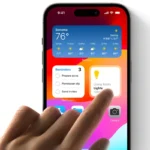
Apple’s defining AI philosophy in 2026 remains consistent: AI should be embedded, not exposed. Unlike competitors that market standalone chatbots or AI-first apps, Apple is integrating intelligence directly into iOS, iPadOS, macOS Sequoia, watchOS, and visionOS.
The goal is to make Apple devices:
- More context-aware
- More proactive
- Easier to use without users needing to “ask” for AI
This approach turns AI into a system-level capability rather than a separate experience.
The Gemini–Siri Deal: A Strategic Shift
One of the most significant AI developments of 2026 is Apple’s partnership with Google to integrate Gemini models into Siri for certain advanced queries.
Why Apple Made the Move
Apple has long struggled with Siri’s limitations, particularly in:
- Open-ended reasoning
- Complex, multi-part questions
- Natural conversational flow
By integrating Google’s Gemini, Apple gains access to a best-in-class large language model without abandoning its core principles.
How It Works
- On-device AI continues to handle personal, private, and routine tasks
- Gemini is used selectively, primarily for complex, cloud-based reasoning
- Requests routed to Gemini are anonymized and processed under Apple’s strict privacy framework
Apple controls when and how Gemini is used, ensuring Siri still feels like an Apple product—not a Google service.
A Smarter, More Capable Siri
With Gemini integration and Apple’s own models working together, Siri in 2026 is markedly improved.
Key enhancements include:
- Better conversational understanding
- More reliable follow-up questions
- Improved ability to explain, summarize, and reason
- Stronger cross-app awareness
Importantly, Siri is no longer just a voice assistant—it’s evolving into a system-wide intelligence layer that understands what you’re doing and helps you do it faster.
Generative AI Across Apple’s Apps
Apple’s AI ambitions are most visible inside its own ecosystem of apps:
- Pages & Keynote: writing assistance, summaries, layout and design suggestions
- Photos: advanced cleanup tools, smarter search, generative enhancements
- Mail & Messages: AI-powered summaries, smart replies, tone adjustments
- Notes & Reminders: automatic organization and context-based suggestions
These features are designed to be optional, subtle, and fast, reinforcing Apple’s belief that AI should enhance creativity—not replace it.
Apple Silicon: The AI Engine Behind the Scenes
Apple’s biggest long-term advantage in AI remains its hardware.
In 2026, Apple Silicon chips feature:
- More powerful Neural Engines
- Dedicated AI acceleration for language and vision tasks
- Improved efficiency for real-time, on-device inference
This enables many AI features to run locally, delivering faster responses while minimizing data sent to the cloud.
Privacy as a Competitive Differentiator
Even with cloud-based partners like Google involved, Apple continues to frame privacy as non-negotiable.
Apple’s AI principles include:
- Default on-device processing
- Minimal data retention
- Secure private cloud computing when external models are used
At a time when consumer trust in AI is increasingly fragile, Apple is positioning itself as the company that can deliver powerful intelligence without sacrificing user control.
A More Flexible Apple
The Gemini deal also signals a cultural shift. Apple is showing it’s willing to:
- Partner when it accelerates progress
- Combine best-in-class models with its own infrastructure
- Focus on user experience rather than AI bragging rights
This flexibility may prove crucial as AI innovation continues to move at unprecedented speed.
Looking Ahead
In 2026, Apple’s AI ambitions are no longer theoretical. With deeper OS integration, smarter apps, more capable hardware, and a strategic partnership with Google’s Gemini, Apple is building an AI ecosystem that prioritizes usefulness, trust, and longevity.
Rather than trying to win the AI race in headlines, Apple is focused on something more enduring: making intelligence feel natural, personal, and seamlessly woven into everyday life.