
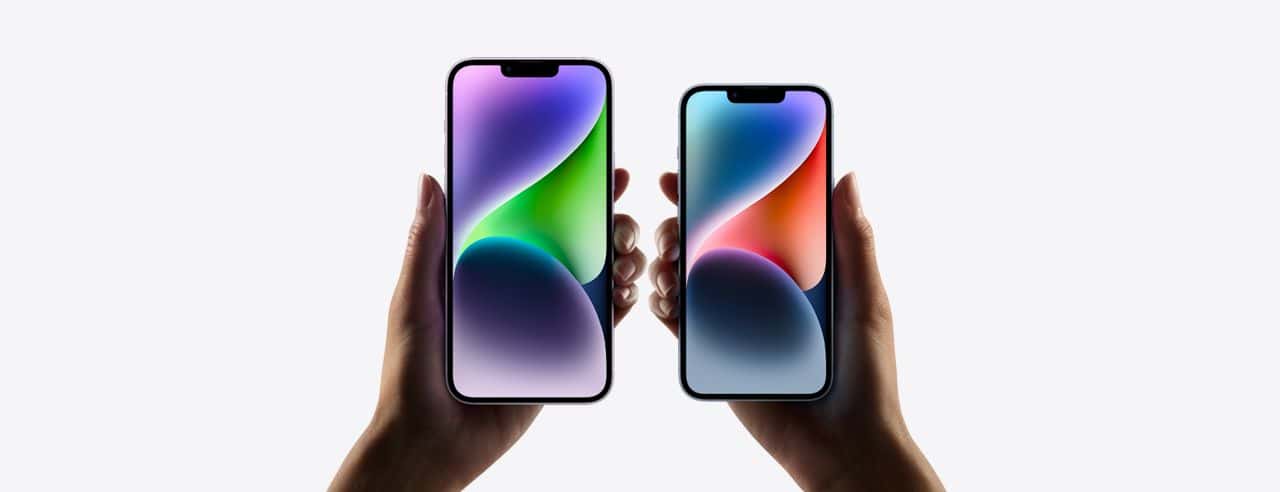
Deciding whether the iPhone 14 is worth the investment hinges on what one is looking for in a smartphone. On one hand, it offers familiarity with design and reliability in performance, suggesting that it can be a solid choice for users seeking an upgrade without needing the latest bells and whistles. On the other hand, it forgoes some of the advanced features found in its Pro counterparts, like a high-refresh-rate screen and a telephoto camera. This positions it as an incremental rather than a revolutionary upgrade over previous models.
For those weighing their options, it’s important to consider the iPhone 14’s improved camera system and safety features. While these enhancements align with the current technological trends, the absence of significant breakthroughs may leave tech enthusiasts wanting more. Its repairability has improved, which is a practical consideration that contributes to the device’s longevity, potentially broadening its appeal among practical-minded consumers.
Evaluating the iPhone’s merit always comes down to how it meets individual needs. Someone holding an older iPhone model might find the iPhone 14 to be a worthy leap forward. Meanwhile, someone with a more recent model might see less value in making the switch, especially if the Pro versions’ exclusive features are unimportant to them.
Is iPhone 14 Worth It In 2026? Assessing Value and Features
As we move through 2026, the iPhone 14, originally released in 2022, is now four years old. If you’re considering buying one—new, refurbished, or used—here’s what you need to know to decide if it’s still worth it.
Key Features of the iPhone 14
- Display: 6.1-inch Super Retina XDR OLED, 1170 x 2532 pixels
- Processor: A15 Bionic chip (same as iPhone 13 Pro models)
- Camera: Dual 12 MP rear cameras with improved low-light performance and Photonic Engine
- Battery Life: Solid all-day battery with efficient power management
- Build: Durable Ceramic Shield front, aerospace-grade aluminum frame
- Software: Runs iOS 17 (and expected to receive updates for a few more years)
- Other: 5G connectivity, MagSafe support, Crash Detection, Emergency SOS via satellite
Pros of Buying iPhone 14 in 2026
- Strong Performance: The A15 Bionic chip still delivers smooth performance for everyday tasks, gaming, and photography.
- Camera Quality: The camera system remains competitive for casual and enthusiast photography.
- Software Support: Apple typically supports iPhones with iOS updates for 5-6 years, so the iPhone 14 will likely receive updates until around 2027-2028.
- Price Advantage: As a 4-year-old model, the iPhone 14 is significantly cheaper than current flagship models like the iPhone 16.
- Reliable Battery Life: Although battery capacity degrades over time, refurbished or new units will offer decent battery life for daily use.
Cons and Considerations
- Lack of Latest Features: Newer iPhones (iPhone 15, 16) have advanced features like USB-C charging, improved cameras, Dynamic Island, and better processing chips (A16/A17).
- Potential Battery Wear: Used or refurbished iPhone 14s may have reduced battery health; battery replacement might be needed.
- Resale Value: Older models have lower resale value and might not hold value as well as newer releases.
- No Major Design Changes: The iPhone 14 design is similar to the iPhone 13, so if you already own an iPhone 13 or 14, upgrading may not be compelling.
Who Should Buy the iPhone 14 in 2026?
- Upgraders from Older Models: If you have an iPhone 11 or earlier, the iPhone 14 offers significant improvements in camera, performance, and battery.
- Budget-Conscious Buyers: If you want a reliable iPhone experience without paying flagship prices, refurbished or discounted iPhone 14 models are attractive.
- Users Not Needing Latest Features: If you don’t need Dynamic Island, USB-C, or the very latest camera tech, the iPhone 14 is still a solid choice.
Alternatives to Consider
- iPhone 15 or 16: For those wanting the latest features, better cameras, and USB-C charging.
- iPhone SE (2022/2024): For a smaller, budget-friendly iPhone with newer internals but fewer premium features.
- Android Flagships: If you want cutting-edge hardware at competitive prices, consider flagship Android phones.
Final Verdict
The iPhone 14 remains a good value in 2026 for users upgrading from older iPhones or seeking a capable device at a lower price point. However, if you want the latest technology and features, or already own a recent iPhone, you might want to consider newer models.
Sources:
- Back Market: iPhone 14 Review in 2025
- Orchard: Is iPhone 14 Still Good in 2025?
- SimplyMac: iPhone 14 Review 2025
- Tenorshare: Is iPhone 14 Worth It in 2025?
Key Takeaways
- The iPhone 14 offers consistent performance and design with some camera and safety upgrades.
- It lacks certain high-end features available in iPhone 14 Pro models.
- The phone’s worth varies based on individual requirements and the age of their current device.
Specs and Performance
In this section, we examine the iPhone 14’s hardware, focusing on its processing power, display quality, and battery life. As we evaluate these aspects, we consider the differences across the iPhone 14 models.
Processor and RAM
The iPhone 14 and iPhone 14 Plus are powered by the A15 Bionic chip. This chip includes a 6-core CPU with 2 performance and 4 efficiency cores, along with a 5-core GPU for better graphics performance. They come with options of 128GB, 256GB, or 512GB of storage. The Pro models boast the newer A16 Bionic processor, enhancing performance and efficiency. RAM across the iPhone 14 models supports the smooth operation of iOS 16.
Display and Design
All iPhone 14 models feature OLED Super Retina XDR displays, offering high contrast, HDR, and true blacks. The iPhone 14 and iPhone 14 Plus come in sizes of 6.1 and 6.7 inches respectively. The Pro and Pro Max models also have ProMotion technology with up to a 120Hz refresh rate for fluid scrolling and interaction. The design of the iPhone 14 series continues with the Ceramic Shield front cover and an aerospace-grade aluminum or stainless steel frame, depending on the model. Color options vary by model.
Battery and Charging
Battery life varies by model. The iPhone 14 provides enough battery life to last through a day under normal usage. The Plus model has a larger battery due to its size, usually lasting longer than the base model on a single charge. The Pro and Pro Max models have differing battery capacities and usage times may vary. All models can charge via Lightning and also support MagSafe and Qi wireless charging. Fast charging is available with a 20W adapter or higher.
Photography and Video
In assessing whether the iPhone 14 is worth the investment, the photography and video capabilities are key. They offer a mix of high-quality imaging and new features that cater to both casual and more serious content creators.
Camera System and Image Quality
The iPhone 14 introduces a camera system with hardware upgrades and software enhancements. It features Photonic Engine technology which is designed to deliver better low-light performance. The main camera captures sharp images with controlled noise. Photos show detailed dark areas and well-handled light sources. The camera system includes an ultrawide camera with night mode for broader scenic shots even in low light. Image quality is further supported by autofocus, ensuring crisp pictures in various conditions. Users who upgrade from an older iPhone model may notice significant improvements.
Video Capabilities and Features
Video recording on the iPhone 14 is robust with several noteworthy features like action mode and cinematic mode. Action mode stabilizes video making it smoother when recording movement. Cinematic mode allows users to capture 4K footage at 24 frames per second, adding a film-like quality to videos. Although there is no manual pro mode for photography, these video features along with the high-resolution front-facing camera, provide creators with powerful tools for various shooting scenarios. It’s also worth noting the camera’s 3x digital zoom capacity during video capture, though the Pro model has a telephoto camera that enhances this feature.