Apple has never been subtle about its ambitions. From the iPhone replacing feature phones to the iPad challenging traditional PCs, Apple’s history suggests a pattern: introduce a new category, refine it, then slowly redefine how people work and interact with technology. With the launch of Apple Vision Pro, many are asking a bold question—could this spatial computer eventually replace laptops?
While the idea may sound futuristic, the trajectory of Apple Vision Pro suggests that it’s not as far‑fetched as it seems.
What Makes Apple Vision Pro Different
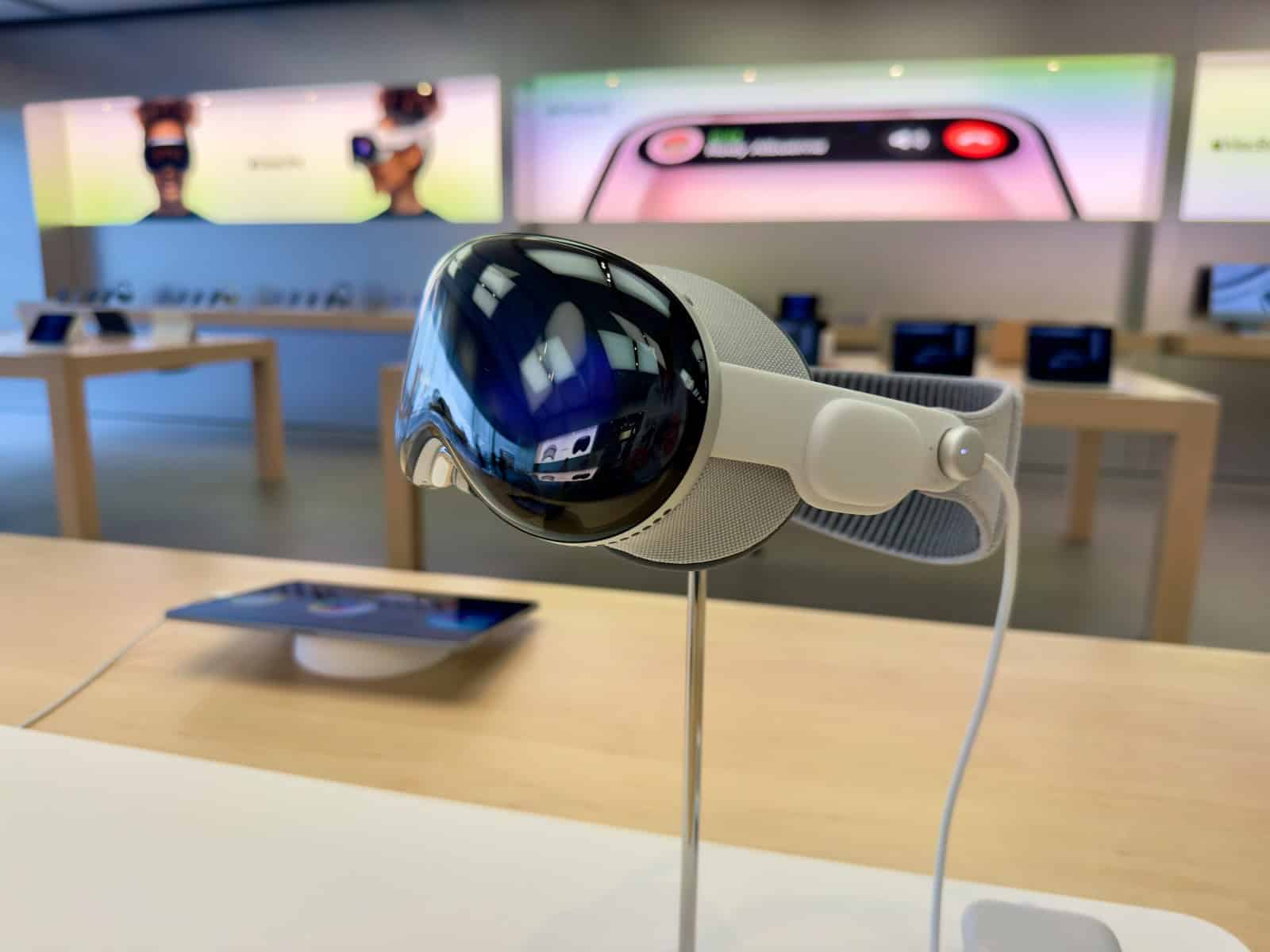
Apple Vision Pro is not marketed as a VR headset, but as a spatial computer. That distinction matters.
Key Capabilities
- VisionOS, a brand‑new operating system built for spatial computing
- Ultra‑high‑resolution displays (over 23 million pixels combined)
- Eye tracking, hand gestures, and voice input
- Seamless integration with macOS and iOS apps
- Ability to create multiple virtual displays in a 3D workspace
Instead of confining work to a physical screen, Vision Pro allows users to place apps anywhere in their environment—effectively removing the limits of desk space.
Why Vision Pro Could Replace Laptops
1. Infinite Virtual Screens
One of the biggest constraints of laptops is screen size. Vision Pro eliminates that entirely by allowing:
- Multiple resizable virtual monitors
- Ultra‑wide workspaces without physical displays
- Focused, distraction‑free environments
For productivity tasks like coding, writing, design, and data analysis, this alone could be transformative.
2. macOS Integration Changes Everything
Vision Pro can already mirror a Mac’s display wirelessly, and future iterations may go even further.
Potential evolution:
- Native macOS apps running directly in visionOS
- Cloud‑based macOS sessions
- Full desktop‑class multitasking in a spatial interface
If Apple brings full Mac functionality into Vision Pro, the need for a traditional laptop could fade.
3. Natural Input Replaces Keyboard and Trackpad
Laptops rely on keyboards and trackpads, which haven’t changed much in decades. Vision Pro introduces:
- Eye‑based cursor control
- Hand gestures for navigation
- Voice dictation powered by AI
While physical keyboards are still useful—and supported—future refinements could make traditional input devices optional.
4. Portability Without Compromise
Vision Pro offers something laptops cannot:
- A full multi‑monitor workstation that fits in a bag
- No need for external displays, docks, or desks
- A consistent workspace anywhere—home, office, or plane
For remote workers and digital nomads, this level of portability is incredibly appealing.
The Current Limitations
Despite its potential, Vision Pro is not ready to replace laptops today.
Major Challenges
- Price: Far more expensive than most laptops
- Battery life: Limited for all‑day work
- Comfort: Wearing a headset for hours isn’t ideal yet
- Software ecosystem: Many pro apps are still optimized for macOS
- Social acceptance: Wearing a headset in public or meetings remains awkward
These issues must be addressed before mass adoption becomes realistic.
Apple’s Long‑Term Strategy
Apple rarely replaces devices overnight. Instead, it evolves them.
A likely future path:
- Vision Pro becomes lighter and cheaper
- Battery life improves dramatically
- visionOS gains full desktop‑class software
- Input methods become more intuitive
- Laptops shift toward niche or transitional roles
Just as the iPad didn’t kill laptops immediately—but changed expectations—Vision Pro may slowly redefine what “a computer” looks like.
Who Could Replace Their Laptop First?
Early adopters likely include:
- Developers and designers
- Remote workers and freelancers
- Content creators
- Enterprise and professional users
As hardware matures, mainstream users could follow.
Final Thoughts
Apple Vision Pro may not replace laptops today, but it shows a credible path toward a laptop‑less future. By removing screen limitations, rethinking input, and blending digital and physical workspaces, Apple is laying the foundation for a new computing paradigm.
If Apple continues refining the hardware and software, the question may eventually shift from “Could Vision Pro replace laptops?” to “Why would we still need one?”