
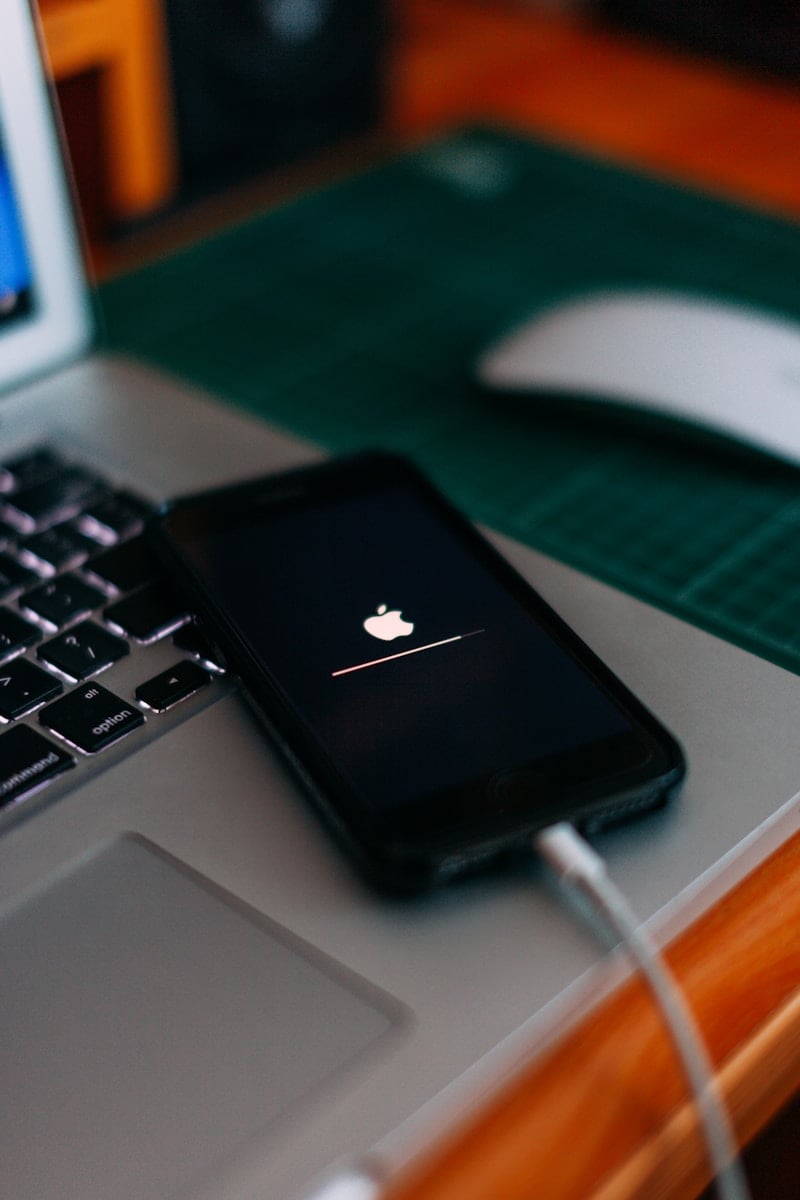
Protecting your iOS device’s data is essential in today’s mobile-driven world. A backup saves your photos, messages, apps, and settings. Creating an archived backup in iTunes or Finder provides a permanent snapshot of your iPhone, iPad, or iPod touch that won’t be overwritten during future backups.
Archived backups serve as safety nets before major iOS updates or device changes. This feature lets users store multiple backup versions and revert to previous iOS states if needed. The process works on both Windows and Mac computers through iTunes or Finder.
How To Archive Your iOS Backup
Archiving an iOS backup preserves a specific backup of your iPhone or iPad, preventing it from being overwritten by future backups. This is especially useful before major updates, beta installations, or significant changes to your device.
Why Archive Your iOS Backup?
Normally, when you back up your iPhone or iPad through Finder (Mac) or iTunes (Windows), the new backup overwrites the previous one. This saves storage space but means you only have access to the most recent backup (source: iDownloadBlog).
Reasons to Archive:
- Before installing iOS beta versions
- Before major iOS updates
- Before restoring or resetting your device
- To preserve a specific device state
- Before making significant changes to your apps or settings
How to Archive an iPhone/iPad Backup on Mac
Requirements:
- macOS Catalina 10.15 or later (uses Finder)
- Your iPhone/iPad connected via USB cable
Steps:
- Connect your iPhone or iPad to your Mac using a USB cable
- Open Finder (or iTunes if on older macOS)
- Select your device from the Finder sidebar
- Click “Back Up Now” to create a fresh backup (or skip if you already have a recent backup)
- Go to Finder menu > Preferences (or iTunes > Preferences on older systems)
- Click the “Devices” tab
- Find the backup you want to archive in the list
- Right-click (or Control-click) on the backup you want to preserve
- Select “Archive” from the context menu
- The backup will now show the date and time it was archived and won’t be overwritten
The archived backup will remain on your computer until you manually delete it (source: iMore).
How to Archive an iPhone/iPad Backup on Windows
Requirements:
- iTunes installed (or Apple Devices app on Windows 10/11)
- Your iPhone/iPad connected via USB cable
Steps:
- Connect your iPhone or iPad to your Windows PC using a USB cable
- Open iTunes (or the Apple Devices app)
- Select your device icon when it appears
- Click “Back Up Now” to create a fresh backup (optional)
- Go to Edit > Preferences (in iTunes)
- Click the “Devices” tab
- Right-click on the backup you want to archive
- Select “Archive” from the menu
- The backup will now be preserved with its archive date
Archived backups won’t be automatically overwritten by future backups (source: Apple Community).
What About iCloud Backups?
Important: You cannot directly archive iCloud backups. iCloud automatically manages your backups and keeps only the most recent one for each device (source: UMA Technology).
Workaround: If you want to preserve a specific backup, you’ll need to:
- Create a local backup using Finder/iTunes on your computer
- Archive that local backup using the steps above
- This gives you a preserved copy while iCloud continues with automatic backups
How to View Your Archived Backups
On Mac:
- Open Finder
- Go to Finder > Preferences > Devices
- Your archived backups will be listed with their archive date and time
On Windows:
- Open iTunes
- Go to Edit > Preferences > Devices
- Archived backups appear with their archive date
Archived backups will have a date/time stamp showing when they were archived (source: iPhone Tricks).
How to Restore from an Archived Backup
Steps:
- Connect your device to your computer
- Open Finder (Mac) or iTunes (Windows)
- Select your device
- Click “Restore Backup”
- Choose the archived backup you want to restore from the list
- Click “Restore” and wait for the process to complete
Your device will restart with the data from that archived backup (source: Apple Toolbox).
How to Delete Archived Backups
Archived backups take up significant storage space on your computer. To delete them:
Steps:
- Open Finder (Mac) or iTunes (Windows)
- Go to Preferences > Devices
- Select the archived backup you want to remove
- Click “Delete Backup”
- Confirm the deletion
⚠️ Warning: This permanently deletes the backup and cannot be undone.
Storage Considerations
iPhone backups can be very large (often 10-100+ GB depending on your device). Make sure you have adequate free space on your computer before creating and archiving backups (source: Apple Community).
Tips:
- Archive only essential backups
- Delete old archived backups you no longer need
- Consider moving backups to an external drive if space is limited
- Monitor your available storage regularly
Best Practices
✅ Archive before major iOS updates (especially major versions like iOS 17 to iOS 18)
✅ Archive before installing beta software
✅ Label or note what each archive contains (mentally or in a document)
✅ Regularly clean up old archived backups to free up space
✅ Store important archives on external drives for extra safety
✅ Test restoring from an archive occasionally to ensure it works
Quick Summary
| Action | Mac | Windows |
|---|---|---|
| Create backup | Finder > Back Up Now | iTunes > Back Up Now |
| Archive backup | Finder > Preferences > Devices > Right-click backup > Archive | iTunes > Edit > Preferences > Devices > Right-click backup > Archive |
| View archives | Finder > Preferences > Devices | iTunes > Edit > Preferences > Devices |
| Restore archive | Finder > Restore Backup > Select archive | iTunes > Restore Backup > Select archive |
| Delete archive | Preferences > Devices > Select > Delete | Preferences > Devices > Select > Delete |
Archiving your iOS backup gives you peace of mind and a safety net when making significant changes to your device (source: iDownloadBlog).
Key Takeaways
- Archived backups create permanent snapshots that won’t be overwritten automatically
- Both Windows and Mac users can create archived backups through iTunes or Finder
- Archived backups provide a safety net before iOS updates or device changes
Creating and Archiving iOS Backups
Backing up iOS devices protects important data and settings. Users can choose between local backups through iTunes/Finder or cloud storage through iCloud.
Using iTunes for Backup
Connect the iOS device to a computer using a USB cable. Click “Trust This Computer” if prompted on the device. For Mac users with macOS Catalina or later, use Finder instead of iTunes.
Open iTunes (or Finder) and select the connected device. Choose “Encrypt Local Backup” for added security and to save passwords and health data. Click “Back Up Now” to start the process.
The backup files are stored in specific locations:
- Windows: \Users[username]\AppData\Roaming\Apple Computer\MobileSync\Backup
- Mac: ~/Library/Application Support/MobileSync/Backup
To archive a backup, copy the backup folder to another location before creating new backups. This prevents iTunes from overwriting previous backups.
Leveraging iCloud for Backup
Go to Settings > [Apple ID name] > iCloud > iCloud Backup. Toggle on “iCloud Backup” to enable automatic daily backups when the device is:
- Connected to power
- Connected to Wi-Fi
- Locked and idle
Tap “Back Up Now” to start a manual backup. Monitor backup progress in Settings > iCloud > Storage.
Storage Management Tips:
- Review backup size and content
- Remove unnecessary app data
- Purchase additional iCloud storage if needed
iCloud keeps the most recent backup only. Unlike iTunes backups, users cannot archive multiple iCloud backup versions.
Frequently Asked Questions
iPhone backup archiving helps users preserve specific iOS device states and data versions while managing storage space effectively across different platforms.
How can I archive an iPhone backup on Windows 10?
Open iTunes and connect the iPhone via USB cable. Select the device icon when it appears. Click “Summary” in the left sidebar. Select “Back Up Now” to create a backup. Right-click the new backup and select “Archive” to preserve it.
The archived backup remains protected from automatic deletion during future backups.
What are the steps to view iPhone backup files on a Mac?
Connect the iPhone to the Mac with a cable. Open Finder and select the iPhone from the sidebar. Click “Manage Backups” under the General tab. A list of existing backups will appear with dates and sizes.
To examine backup contents, right-click a backup and select “Show in Finder.”
Where are iPhone backups located in Windows 10 and Windows 11?
iPhone backups are stored in C:\Users[username]\AppData\Roaming\Apple Computer\MobileSync\Backup\ by default. Each backup folder has a unique identifier name.
Users can copy these folders to another location for safekeeping.
How do I resolve issues with iOS backup archiving not working?
Free up storage space on the computer. Update iTunes or macOS to the latest version. Check USB connections and try different ports. Delete unnecessary old backups to create space.
Restart both the iPhone and computer if problems persist.
What does archiving an iPhone backup entail, and why is it important?
Archiving creates a permanent snapshot of iPhone data at a specific point in time. This process prevents automatic overwriting during future backups and preserves iOS versions, app data, and settings.
Archives prove valuable when testing new iOS versions or troubleshooting device issues.
Can I access old iPhone backups, and if so, how?
Access archived backups through iTunes on Windows or Finder on Mac. Select the device and click “Manage Backups” to see all saved backups.
Choose “Restore Backup” to revert the iPhone to a previous state. This process replaces current device data with the archived version.