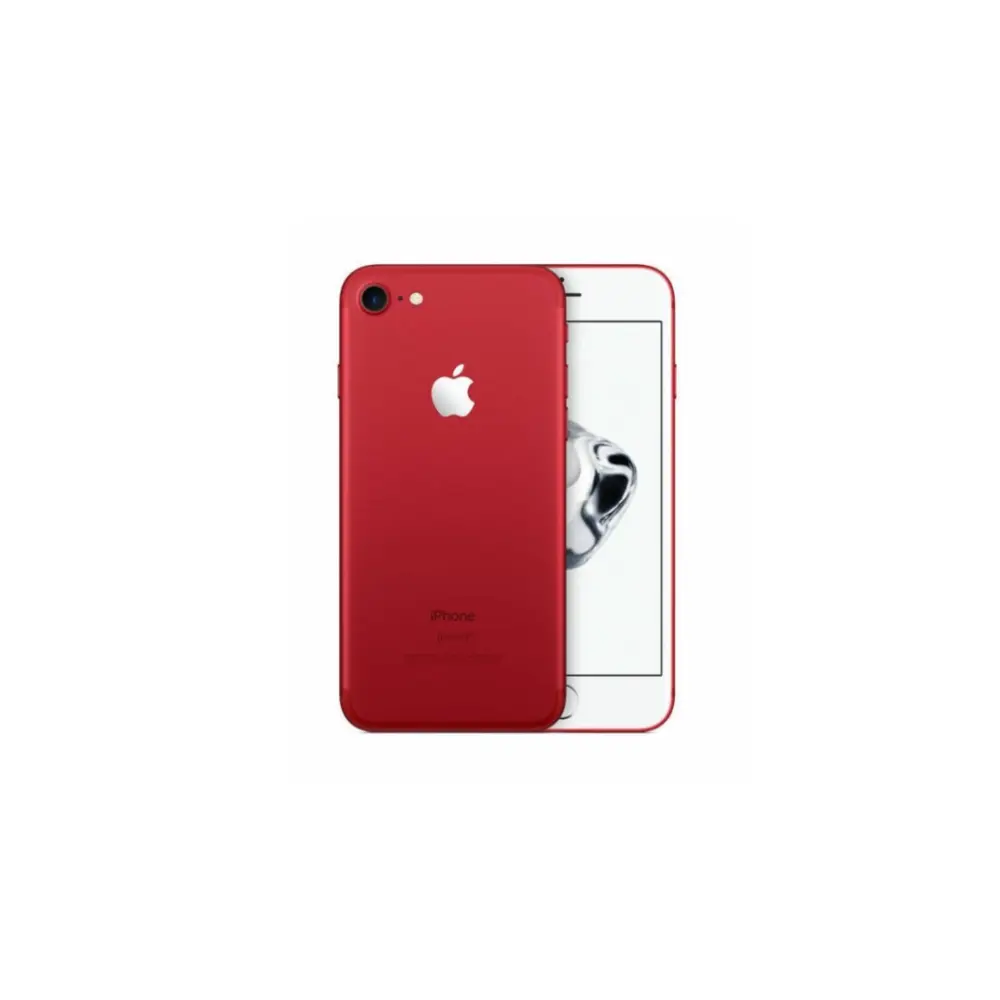
The iPhone 7 was released in 2016, which makes it nearly a decade old in 2026. So the big question is: Is it still usable today?
The short answer: Yes — but with serious limitations.
It can still handle basic tasks, but it’s no longer a good choice for most users.
Let’s break it down.
📱 Quick Overview
- Release year: 2016
- Chip: A10 Fusion
- Last major iOS version supported: iOS 15
- Current iOS (2026): iOS 19
- 5G support: No
- Touch ID: Yes
Because it no longer supports the latest iOS versions, its usefulness depends heavily on what you expect from it.
✅ What Still Works in 2026
If your needs are simple, the iPhone 7 can still function as:
1. A Basic Phone
- Calls
- SMS texting
- iMessage
- FaceTime (limited)
For light communication, it still works fine.
2. Wi‑Fi Browsing
- Safari works
- Basic websites load
- Email apps function
However, some modern websites may load slowly due to the older processor and limited RAM.
3. Camera for Casual Use
- 12MP rear camera
- 1080p/4K video (older standard)
Photos are still decent in good lighting, though far behind modern iPhones.
4. Media Device
- Spotify
- Apple Music
- YouTube (if supported version still works)
- Podcasts
It can serve well as a secondary device for streaming over Wi‑Fi.
❌ What Doesn’t Work Well Anymore
Here’s where things get difficult.
1. No Latest iOS Updates
The iPhone 7 stopped receiving major iOS updates after iOS 15.
That means:
- No new features
- Increasing app incompatibility
- Security vulnerabilities over time
Many newer apps require iOS 16 or later, meaning they won’t install.
2. Performance Is Noticeably Slower
The A10 Fusion chip is far behind modern chips.
You may experience:
- App crashes
- Slower multitasking
- Lag when switching apps
- Longer load times
For heavy apps like modern games or AI-powered apps, it struggles.
3. Battery Degradation
Most iPhone 7 units now have:
- Significantly worn batteries
- Short battery life
- Unexpected shutdowns
A battery replacement helps — but it may not be worth the cost in 2026.
4. No 5G Support
The iPhone 7 only supports 4G LTE.
While LTE still works in many areas, some carriers are:
- Refarming older bands
- Expanding 5G-only services
In some regions, long-term compatibility may become an issue.
5. Security Concerns
Since it no longer receives major OS updates, long-term security support is limited.
For:
- Banking apps
- Work email
- Sensitive data
It’s no longer ideal as a primary device.
👵 Who Can Still Use an iPhone 7?
It may still be suitable for:
- Seniors who only call and text
- Kids as a first phone
- A backup phone
- A music or streaming device
- Smart home controller
- CarPlay device (if compatible)
If expectations are low, it can still serve a purpose.
💰 Is It Worth Buying in 2026?
In most cases: No.
Even budget options like:
- iPhone SE (3rd gen)
- iPhone 11
- iPhone 12 (used/refurbished)
Offer:
- Better performance
- Newer iOS support
- Longer future compatibility
- Better battery life
- 5G (on newer models)
Unless it’s extremely cheap and for very light use, there are better options.
🔄 Should You Upgrade?
You should upgrade if:
- Apps won’t install
- Battery drains quickly
- Phone feels slow
- You need better security
- You rely on your phone daily
You can keep it if:
- It’s a secondary device
- You only use basic features
- It still meets your limited needs
🧠 Final Verdict
Is the iPhone 7 still usable in 2026?
✅ Yes — for basic tasks.
❌ No — as a modern primary smartphone.
It’s no longer future-proof and struggles with newer apps and updates. For most people, upgrading to a newer used or budget iPhone makes much more sense.