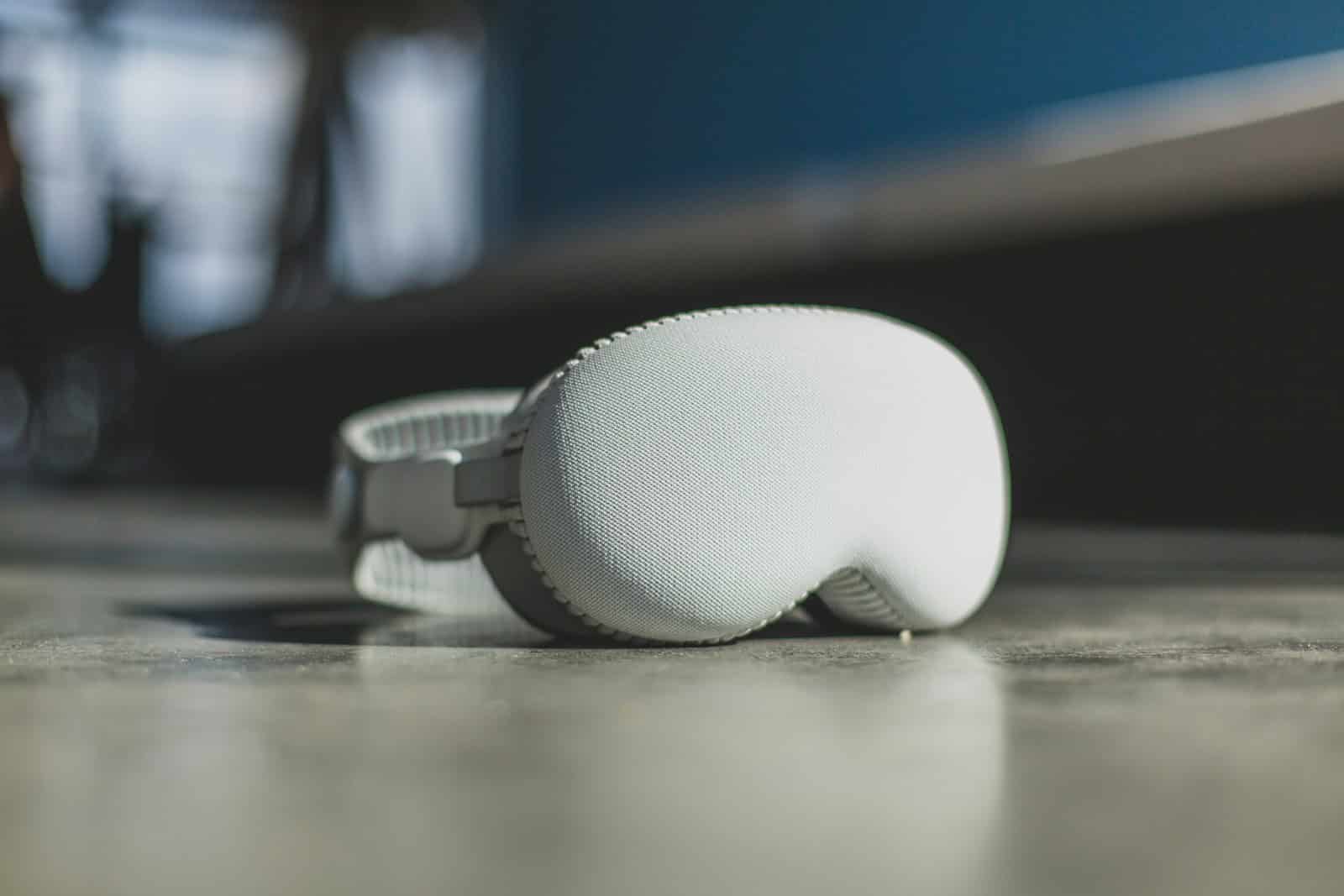
Apple Vision Pro isn’t just a mixed‑reality headset — it’s a powerful spatial computer driven by advanced artificial intelligence. From eye tracking to real‑time scene understanding, AI plays a central role in how Vision Pro blends digital content with the physical world.
Here’s a detailed look at the key AI features inside Apple Vision Pro and how they enhance the user experience.
1. Eye Tracking and Intent Detection
One of Vision Pro’s most impressive AI-driven features is its advanced eye tracking system.
Using high-speed cameras and machine learning algorithms, Vision Pro:
- Detects where you’re looking with extreme precision
- Highlights interface elements based on gaze
- Interprets your intent before you even tap
Instead of using a controller, you simply:
- Look at an item.
- Tap your fingers together.
- Use gestures to scroll or zoom.
AI models process eye movement data in real time to ensure smooth, natural interactions — making the interface feel almost invisible.
2. Hand Tracking and Gesture Recognition
Vision Pro uses AI-based computer vision to recognize hand movements and gestures without handheld controllers.
What It Can Do:
- Track subtle finger taps
- Recognize pinching, swiping, and zooming
- Detect hand position even when resting on your lap
Machine learning models continuously analyze camera input to interpret gestures accurately — even in varying lighting conditions.
3. Real-Time Spatial Mapping
Vision Pro constantly analyzes your surroundings to understand:
- Walls and surfaces
- Furniture placement
- Depth and distance
- Room dimensions
This AI-powered spatial awareness allows digital apps and windows to:
- Appear anchored to real-world surfaces
- Cast realistic shadows
- Maintain consistent positioning
The result is a stable mixed‑reality experience that feels grounded in your physical environment.
4. Persona: AI-Generated Digital Representation
One of the most talked-about AI features is Persona — Apple’s realistic digital avatar system.
Using advanced machine learning:
- The headset scans your face.
- Builds a high-detail 3D digital representation.
- Recreates facial expressions in real time.
During FaceTime calls, your Persona mirrors your:
- Eye movements
- Facial expressions
- Mouth motion
AI models map muscle movement and expressions naturally, creating a more lifelike video call experience in spatial computing.
5. Advanced Voice Recognition (Siri Integration)
Vision Pro integrates Siri with improved on-device intelligence.
You can:
- Open apps
- Dictate messages
- Control settings
- Ask questions
Much of the processing happens on-device using Apple silicon, improving privacy and reducing latency.
6. AI-Powered Photo and Video Enhancements
Vision Pro transforms photos and videos into immersive spatial experiences.
Spatial Photos & Videos
AI adds depth information to compatible images and videos, allowing them to feel three-dimensional.
Image Processing
Machine learning enhances:
- Lighting
- Detail
- Depth perception
- Subject separation
This creates a more cinematic viewing experience inside the headset.
7. Natural Language and Productivity Tools
With Apple’s expanding AI ecosystem, Vision Pro supports intelligent productivity features such as:
- Smart text predictions
- Voice-to-text dictation
- Context-aware suggestions
- AI-enhanced search
As Apple continues integrating more generative AI features across its platforms, Vision Pro is expected to benefit from deeper contextual understanding and intelligent assistance.
8. On-Device AI for Privacy
A key part of Apple’s AI strategy is privacy.
Vision Pro uses:
- On-device processing via the M2 chip
- Real-time data handling via the R1 chip
Sensitive data such as eye tracking and spatial mapping information stays on-device and is not shared externally, helping protect user privacy.
9. Real-Time Environment Adaptation
AI dynamically adjusts immersion levels depending on your environment.
For example:
- The headset dims your surroundings during immersive experiences.
- It brings people into view when they approach you.
- It enhances clarity based on lighting conditions.
This balance between immersion and awareness is powered by continuous AI-driven analysis of your surroundings.
10. Future AI Potential
As Apple continues advancing AI across iOS, macOS, and visionOS, Vision Pro is expected to gain:
- More personalized AI assistants
- Context-aware workspace automation
- Enhanced object recognition
- More realistic avatars
- Expanded generative AI tools
Because Vision Pro is built as a spatial computing platform, AI updates can significantly expand its capabilities over time.
Final Thoughts
AI is the foundation of Apple Vision Pro. From eye tracking and gesture recognition to spatial mapping and digital Personas, artificial intelligence enables the headset to feel intuitive and immersive.
Rather than relying on controllers or traditional inputs, Vision Pro uses AI to interpret your natural behavior — turning your gaze, hands, and voice into seamless controls.
As Apple continues to evolve its AI technologies, Vision Pro’s capabilities are likely to expand, making it one of the most advanced examples of AI-powered consumer hardware on the market.