
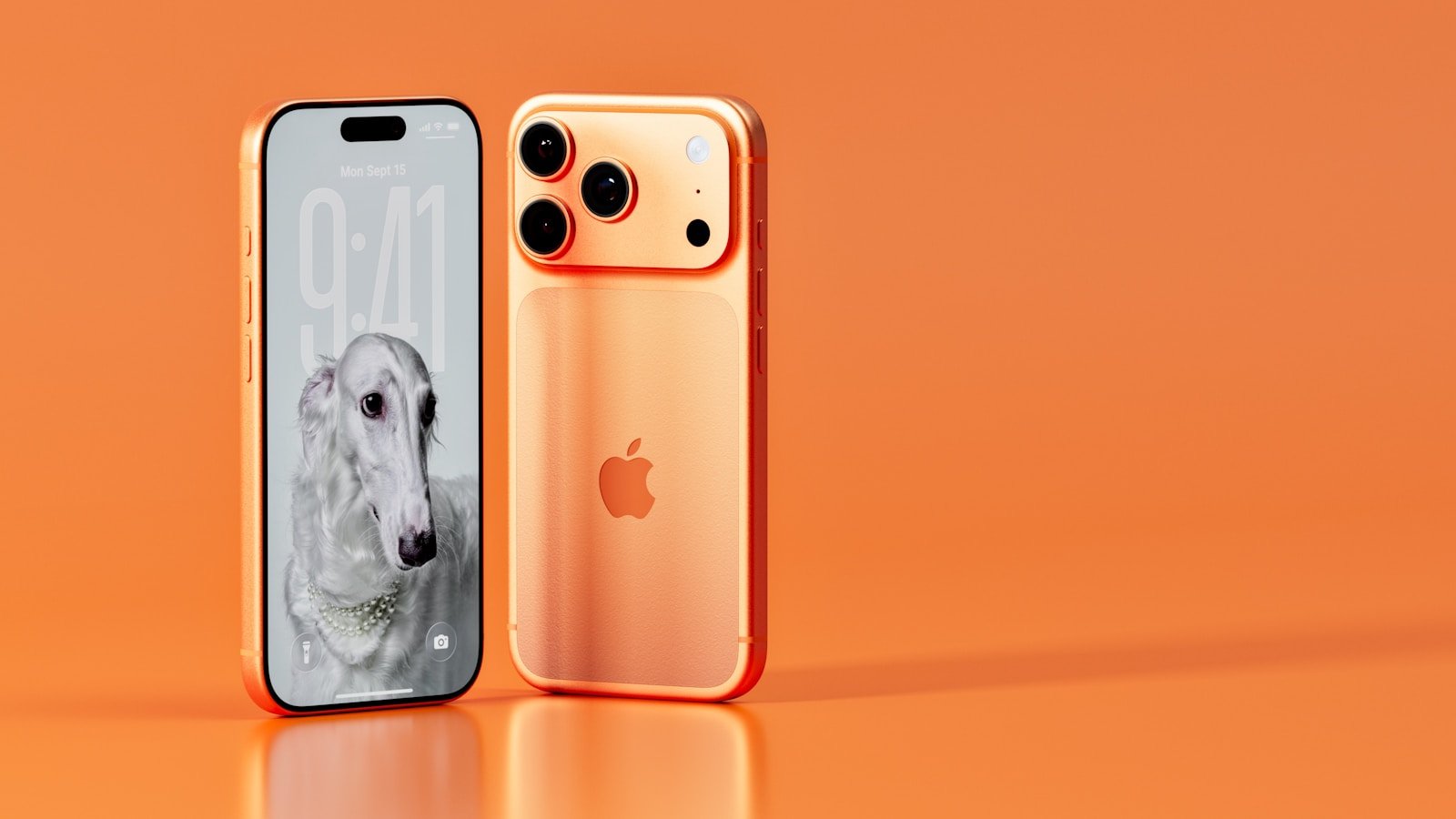
As smartphone displays continue to evolve, many users are asking: Will the iPhone get an 8K display? With 8K video recording now arriving on high-end smartphones like the iPhone 17 Pro (as reported by multiple outlets including 9to5Mac and MacRumors), attention has shifted toward whether Apple will eventually introduce an 8K-resolution iPhone display as well.
Here’s what 8K display technology means, how it compares to current iPhone screens, and whether it’s practical.
What Is an 8K Display?
An 8K display typically refers to a resolution of:
7680 × 4320 pixels
That’s over 33 million pixels — four times the resolution of 4K and sixteen times that of 1080p.
For comparison:
| Resolution | Pixel Count | Typical Use |
|---|---|---|
| 1080p | ~2 million | Standard HD |
| 4K | ~8.3 million | TVs, monitors |
| 8K | ~33 million | High-end TVs, cinema |
On a large television, the difference can be noticeable. But on a smartphone? That’s where things get interesting.
Current iPhone Display Technology
As of 2026, Apple’s iPhones use:
- Super Retina XDR OLED displays
- Resolutions well above 1080p
- Pixel densities around 460 pixels per inch (PPI)
At typical viewing distances (10–12 inches from your face), most people cannot distinguish individual pixels beyond ~300–400 PPI. Apple’s current displays already exceed that threshold.
So technically speaking, current iPhone screens are already sharper than the human eye can easily detect.
Why 8K on iPhone Is Unlikely (For Now)
1️⃣ Screen Size Limitations
An 8K resolution crammed into a 6–7 inch screen would push pixel density far beyond practical visibility. The improvement in clarity would likely be imperceptible.
2️⃣ Battery Impact
Driving 33 million pixels requires:
- More GPU power
- Higher energy consumption
- Greater thermal output
This could significantly impact battery life — something Apple carefully optimizes.
3️⃣ Content Availability
While some smartphones now support 8K video recording, that doesn’t mean the display itself is 8K. Most 8K content is still viewed on:
- Large 8K TVs
- Professional monitors
An iPhone can record 8K and downscale it for editing and playback without needing an 8K screen.
Where 8K Does Make Sense on iPhone
Even if Apple doesn’t release an 8K display soon, 8K technology still benefits iPhone users in other ways:
✅ 8K Video Recording
Newer Pro models now support 8K video capture, according to multiple 2025–2026 reports. This allows:
- Greater detail for editing
- Better cropping flexibility
- Future-proof video storage
✅ External Display Output
An iPhone could potentially output 8K video to an external monitor or TV via USB-C or wireless display technologies.
✅ AR/VR and Spatial Computing
Higher resolution becomes more relevant in:
- Mixed reality headsets
- Spatial video
- Immersive viewing experiences
In these contexts, pixel density matters more than on a flat phone display.
Could Apple Ever Make an 8K iPhone Display?
It’s not impossible — but it’s unlikely in the near term.
Apple typically prioritizes:
- Color accuracy
- Brightness
- Power efficiency
- ProMotion refresh rates
- HDR performance
These improvements deliver visible benefits without unnecessary pixel increases.
Instead of chasing resolution numbers, Apple tends to focus on overall display quality.
What Matters More Than 8K
For smartphones, these upgrades often make a bigger difference:
- Higher refresh rates (120Hz+)
- Better outdoor brightness
- Improved HDR contrast
- More efficient OLED panels
- Reduced power consumption
In real-world use, smoother scrolling and better visibility outdoors are more noticeable than extreme resolution jumps.
Final Thoughts
An 8K iPhone display sounds impressive on paper — but on a smartphone-sized screen, the practical benefits would be minimal. Current iPhone displays already exceed what the human eye can distinguish at normal viewing distances.
Where 8K truly shines is in video capture, professional editing, and large external displays — not necessarily in the phone’s built-in screen.
For now, expect Apple to continue refining brightness, efficiency, and refresh rate rather than pushing toward 8K resolution on iPhone displays.