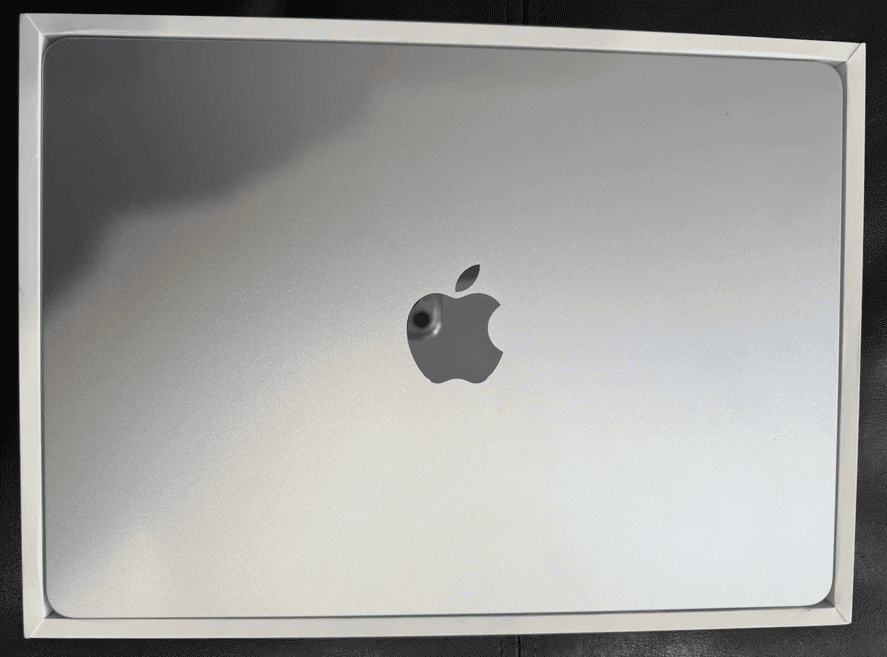
For years, Apple’s MacBook Air has been positioned as the company’s most accessible laptop—thin, light, powerful, and relatively affordable by Apple standards. Yet with prices still hovering well above the budget-laptop category, a recurring question keeps surfacing: is Apple planning a truly low-cost MacBook Air?
Why the Question Keeps Coming Up
The global laptop market has changed dramatically. Chromebooks and Windows ultrabooks often sell for hundreds of dollars less than a MacBook Air, especially in education and emerging markets. At the same time, Apple’s own silicon revolution with M‑series chips has dramatically reduced production costs per unit while increasing performance and efficiency.
These factors have fueled speculation that Apple could leverage its in-house chips to introduce a cheaper MacBook Air aimed at students, first-time Mac users, and price-sensitive markets.
What the Rumors Suggest
Industry analysts and supply-chain watchers have periodically suggested that Apple has explored lower-cost MacBook concepts. The most common rumors include:
- Older chip strategy: Using a previous-generation M‑series chip (such as M1 or M2) to reduce costs while still offering strong performance.
- Cost-cutting design changes: Fewer ports, a slightly lower-quality display, or reduced storage and RAM options in the base model.
- Education and emerging markets focus: A model designed primarily for students or regions where Mac adoption is limited by price.
However, none of these rumors have been officially confirmed by Apple.
Apple’s Pricing Philosophy
Historically, Apple prefers price segmentation through older models rather than introducing brand-new low-cost devices. For example, Apple continued selling the M1 MacBook Air long after newer versions launched, effectively making it the “budget Mac” without redesigning the product.
This strategy allows Apple to:
- Protect its premium brand image
- Simplify product lines
- Maintain healthy profit margins
From this perspective, Apple may see little incentive to create a radically cheaper MacBook Air if older models can fill that role.
The Competitive Pressure
That said, competition is intensifying. Windows laptops powered by Qualcomm’s Snapdragon X chips and AI-focused PCs are challenging Apple on performance-per-watt and battery life—areas where Macs once stood alone. A lower-priced MacBook Air could help Apple defend market share, especially in education and enterprise environments.
So, Is It Actually Happening?
As of now, there is no solid evidence that Apple is planning a brand-new low-cost MacBook Air. The more likely scenario is that Apple will continue:
- Selling previous-generation MacBook Air models at reduced prices
- Improving manufacturing efficiency to keep entry prices stable
- Differentiating premium models with features like better displays and more powerful chips
Final Thoughts
While the idea of a sub-$700 MacBook Air is appealing, it would represent a significant shift in Apple’s long-standing strategy. Unless competitive or economic pressures force Apple’s hand, a truly low-cost MacBook Air seems unlikely in the near future.
For now, Apple’s “budget Mac” will probably remain yesterday’s MacBook Air—still powerful, still polished, and just affordable enough to bring new users into the Apple ecosystem.