
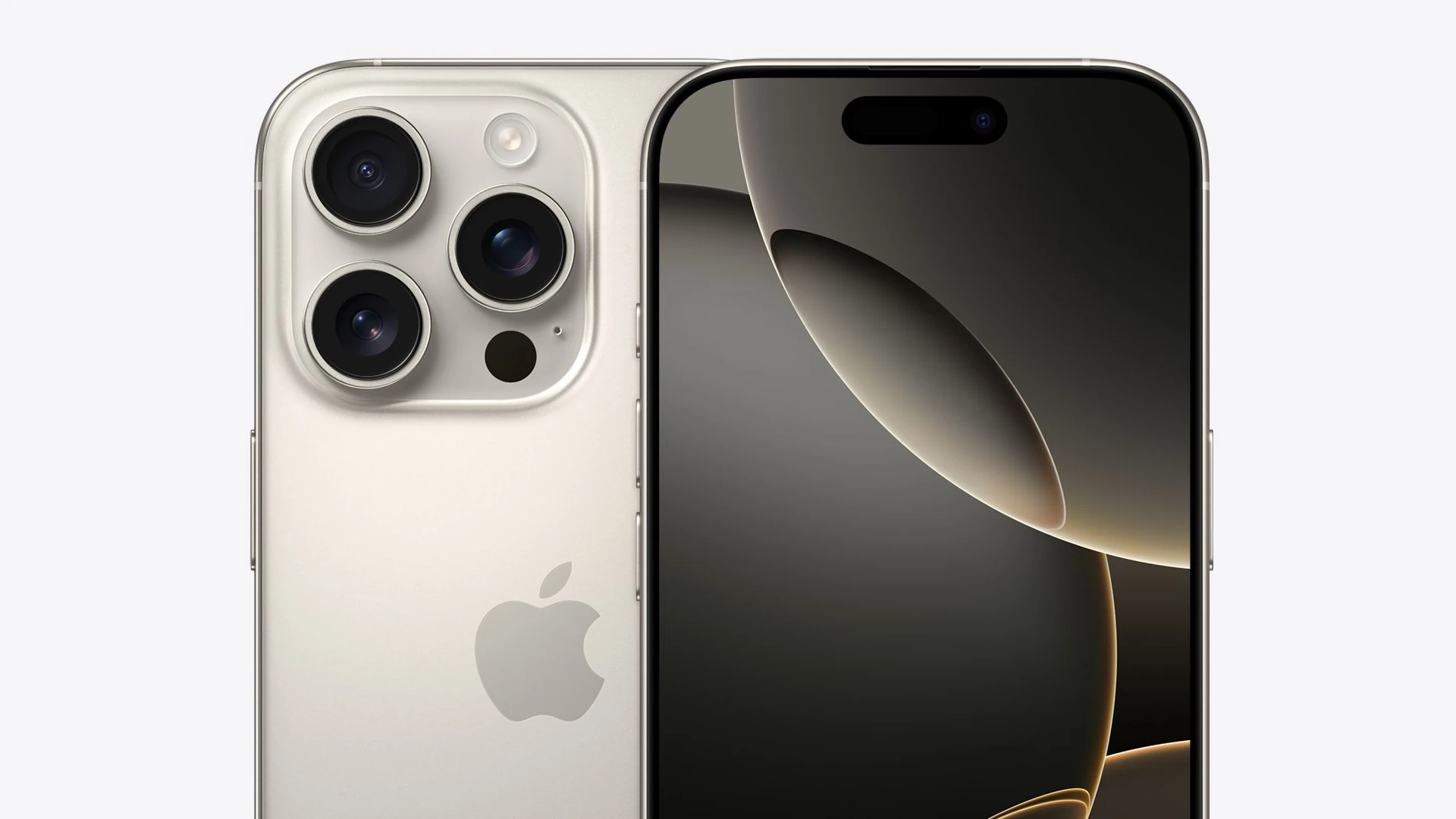
LG Innotek is set to be the main supplier of tetraprism lenses for Apple’s iPhone 16 Pro and Pro Max models. These lenses use a folded glass structure that reflects light four times. This lets the phone have a longer zoom range without making the camera bump bigger.
The tetraprism lens allows for a 5x optical zoom, giving users clearer photos from far away. This tech was first seen in the iPhone 15 Pro Max. Now, both Pro models of the iPhone 16 will have it. LG Innotek’s role as the sole supplier for these lenses shows their skill in making high-end phone parts.
Apple plans to launch the new iPhones on September 20, 2024. The use of tetraprism lenses in both Pro models is a big step up. It means more users can take better zoom photos without losing quality. This move by Apple shows they want to keep improving their cameras to stay ahead in the smartphone market.
LG Innotek Tetraprism Lenses: A Complete Guide
As smartphone cameras continue to replace dedicated cameras for everyday photography, manufacturers are pushing the limits of optical zoom in ever‑thinner devices. One of the most important innovations enabling this progress is the tetraprism lens, with LG Innotek emerging as a leading supplier of this advanced technology.
This guide explains what LG Innotek tetraprism lenses are, how they work, why they matter, and where they’re being used.
What Is a Tetraprism Lens?
A tetraprism lens is an advanced optical system designed to achieve high optical zoom in ultra‑thin devices like smartphones.
Unlike traditional periscope lenses that use a single reflective surface, tetraprism designs use multiple internal reflections to fold light several times before it reaches the image sensor. This longer optical path enables higher zoom levels without increasing phone thickness.
LG Innotek’s Role in Tetraprism Technology
LG Innotek, a major Apple and smartphone component supplier, specializes in precision optics and camera modules. Its tetraprism lenses represent a next‑generation evolution of folded optics.
LG Innotek focuses on:
- Miniaturization of complex optical systems
- High‑precision prism manufacturing
- Improved light transmission and stability
- Mass production for flagship smartphones
Their designs are optimized for telephoto and super‑telephoto smartphone cameras.
How LG Innotek Tetraprism Lenses Work
Traditional smartphone zoom relies heavily on digital cropping, which reduces image quality. Tetraprism lenses solve this by extending the optical path.
Step‑by‑Step Optical Path:
- Light enters the camera through the lens
- The prism reflects light internally multiple times
- Each reflection extends the effective focal length
- Light reaches the sensor with true optical magnification
LG Innotek’s tetraprism typically uses four reflective surfaces, hence the name tetra‑prism.
Key Advantages of LG Innotek Tetraprism Lenses
1. Higher Optical Zoom
- Enables 5x, 10x, or greater optical zoom
- Maintains image detail without digital degradation
2. Slim Smartphone Design
- Folded optics allow long focal lengths in thin devices
- No bulky camera bump compared to traditional telephoto lenses
3. Improved Image Quality
- Less reliance on digital zoom and AI upscaling
- Better sharpness and clarity at long distances
4. Enhanced Stabilization
- Works with sensor‑shift and optical image stabilization (OIS)
- Reduces blur at high zoom levels
Tetraprism vs Periscope Lenses
| Feature | Periscope Lens | Tetraprism Lens |
|---|---|---|
| Reflections | 1–2 | 4 |
| Optical path length | Moderate | Longer |
| Max optical zoom | ~3x–5x | 5x–10x+ |
| Thickness efficiency | Good | Excellent |
| Image stability | Moderate | Improved |
Tetraprism lenses are essentially a more advanced evolution of periscope camera systems.
Where Are LG Innotek Tetraprism Lenses Used?
LG Innotek tetraprism lenses are primarily targeted at premium flagship smartphones, particularly:
- High‑end iPhones
- Ultra‑flagship Android devices
- Future AR and imaging‑focused devices
Industry analysts widely associate LG Innotek’s tetraprism modules with Apple’s long‑range zoom camera strategy, especially for Pro‑level models.
Why Tetraprism Matters for Smartphone Photography
Long‑range zoom has historically been a weakness for smartphones. Tetraprism lenses close the gap between phones and dedicated cameras by enabling:
- Wildlife and sports photography
- Concert and event shooting
- Travel photography without bulky gear
- Cleaner portrait compression at distance
This technology allows smartphones to deliver true telephoto performance, not just computational tricks.
Challenges and Limitations
Despite their advantages, tetraprism lenses face challenges:
- Complex manufacturing and alignment
- Higher production costs
- Light loss through multiple reflections
- Limited sensor size compared to dedicated cameras
LG Innotek addresses these through advanced coatings, precision manufacturing, and tighter tolerances.
The Future of LG Innotek Tetraprism Lenses
Looking ahead, LG Innotek is expected to:
- Increase optical zoom ranges further
- Improve low‑light performance
- Reduce light loss and chromatic aberration
- Support next‑generation computational photography
Tetraprism lenses are likely to become standard in flagship smartphones over the next few years.
Final Thoughts
LG Innotek tetraprism lenses represent a major leap forward in smartphone camera technology. By folding light multiple times inside an ultra‑compact module, they enable powerful optical zoom without sacrificing design or portability.
As demand for high‑quality mobile photography grows, tetraprism lenses are poised to play a key role in shaping the future of smartphone imaging.
Key Takeaways
- LG Innotek will be the only supplier of tetraprism lenses for iPhone 16 Pro models
- Tetraprism lenses offer 5x optical zoom without increasing phone thickness
- Both iPhone 16 Pro and Pro Max will have this advanced camera feature
Overview of LG InnoTek’s Tetraprism Lens Technology
LG InnoTek’s tetraprism lenses bring big changes to phone cameras. These special lenses help phones take better zoomed-in photos. They do this by bending light in a clever way.
Concept of Tetraprism Lenses
Tetraprism lenses use folded glass to make the lens longer. This lets more light in without making the phone thicker. The light bounces off mirrors inside the lens. This makes the light path longer, just like a bigger lens would.
These lenses are also called “folded zoom” lenses. They fit a long lens into a small space. This is perfect for thin phones that still need good zoom.
Advancements in Optical Zoom
Tetraprism lenses let phones zoom in more without losing quality. Most phones can only zoom 2-3 times. But phones with tetraprism lenses can zoom 5 times or more.
This big jump in zoom is thanks to the folded design. It creates a longer “focal length” in a small package. This means clearer, more detailed photos of far-away things.
Apple used this tech in their iPhone 15 Pro Max. It gave that phone much better zoom than older models.
Benefits in Telephoto Photography
Tetraprism lenses are great for taking photos of distant objects. They let you get clear shots of things far away without digital zoom, which can make photos look blurry.
These lenses help with:
- Wildlife photography
- Sports photography
- Landscape details
They also make portrait photos better. You can stand farther back but still get a close-up shot. This makes faces look more natural in photos.
Phone makers like this tech because it saves space. They can add strong zoom without making phones too thick.
Frequently Asked Questions
LG Innotek’s Tetraprism lenses are changing smartphone cameras. These new lenses offer better zoom and image quality in a small space. Let’s look at some common questions about this tech.
How does the Tetraprism lens technology improve smartphone camera capabilities?
Tetraprism lenses use folded optics to fit a longer zoom lens in a thin phone. This lets phones take clear, zoomed-in photos without a big camera bump. The lens bends light four times, making room for more zoom power.
What advantages does LG Innotek’s Tetraprism lens offer over traditional periscope lenses in mobile devices?
Tetraprism lenses can be smaller than periscope lenses. They still give great zoom but take up less space in the phone. This means phones can stay slim while having strong zoom features.
Can the Tetraprism lens enhance optical zoom functionality in upcoming smartphones?
Yes, Tetraprism lenses can boost optical zoom in new phones. They let phone makers add more zoom without making the device thicker. This means future phones might have better zoom than ever before.
What potential impact could Tetraprism lenses have on future mobile photography?
These lenses could make phone cameras even more powerful. Users might be able to take clearer photos from far away. It could also lead to new camera features we haven’t seen yet in phones.
How does LG Innotek’s innovation in lens technology reflect on their market positioning in the smartphone industry?
LG Innotek’s work on Tetraprism lenses shows they’re a leader in phone camera tech. By making these advanced lenses, they’re helping phone makers create better cameras. This puts LG Innotek at the front of the pack in the phone parts market.
Are there specific technical challenges that come with integrating Tetraprism lenses into consumer electronics?
Adding Tetraprism lenses to phones can be tricky. The lenses need to be made very small and precise. They also need to work well with the phone’s other parts. Making sure the lenses don’t break when the phone is dropped is another big challenge.