In case you didn’t have enough days to celebrate, today (March 31) is “Backup Day” worldwide! While I certainly don’t subscribe to an annual event to remind me to periodically backup my digital stuff, it’s nice to know that there are people out there looking out for my best interests. If you have never performed a backup of your computer’s hard drive or just need a few helpful hints, I’ll briefly explain how best to backup.
1. Start Small
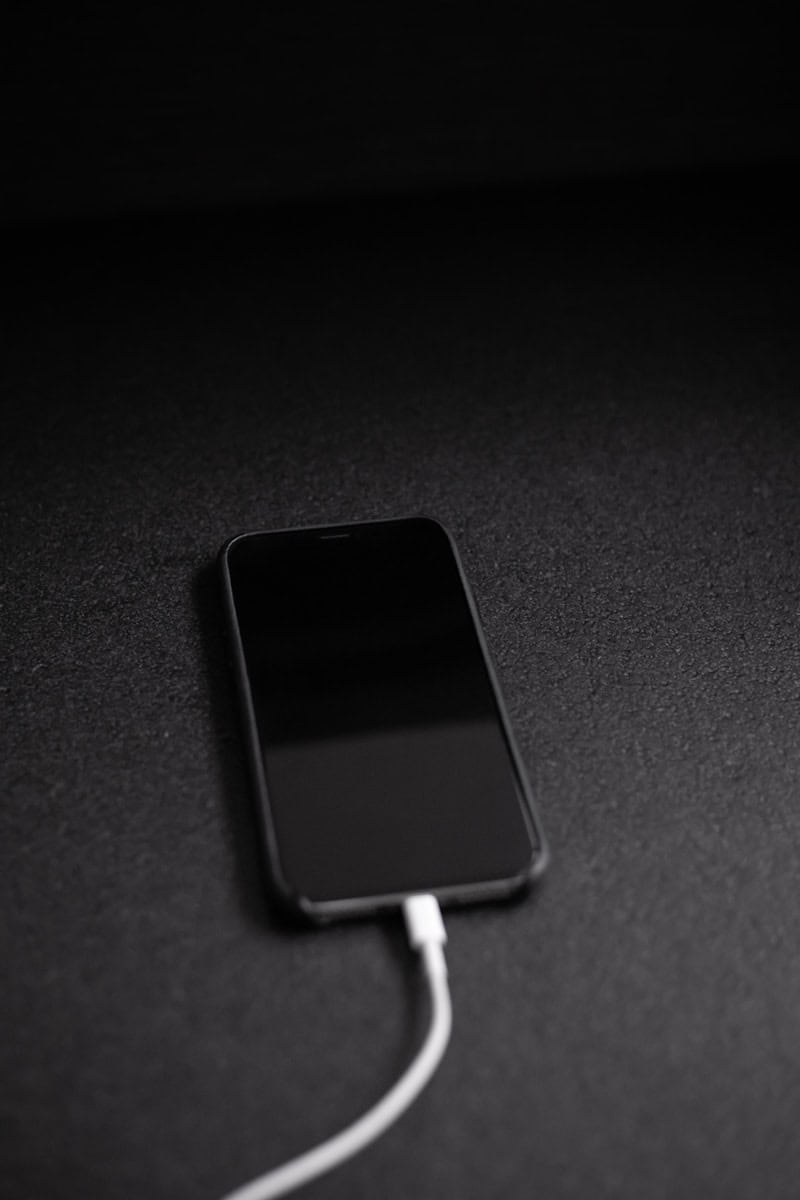
Backing up your iPod Touch, iPhone, or iPad is about the easiest thing to do. If you use iCloud, you could be backing up your iDevice and not even know it. If you’re currently running any version of iOS 5, you can sign up for an iCloud account by going to Settings, iCloud, Create an Account. Once you’ve submitted your info, you can choose a number of options for your device. When you have iCloud up and running, you can choose “Storage & Backup” from the iCloud setting and toggle the “iCloud Backup” to on. iCloud backups occur once a day, but you have to have your iDevice plugged into power, locked, and connected to Wi-Fi.
If you don’t want to use iCloud for backups you can go the traditional way of backing up your iDevice. Plug it into your computer. As long as your computer is running iTunes, versions may vary, automatic backups happen before your device begins syncing all your media. Easy-peasy.
2. Time Machine
All Mac computer running OSX 10.5 or later have a piece of software preinstalled called “Time Machine.” Time Machine is nice because it performs automatic backups of the changes that have occurred on your computer since the last backup, every hour. Time Machine requires that your computer be connected to an external hard drive in order to function. Nearly every external hard drive will work with your Mac and Time Machine once it’s been properly formatted. First, plug in the external hard drive into your Mac. USB is the most common type of connection these types of hard drives come equipped with, so you should be fine. If your computer doesn’t ask if you’d like to use the newly plugged in hard drive as a Time Machine device, go to System Preferences, Time Machine, Select Disk, click on the hard drive name, then click on “Use Backup Disk”. You can also setup a Time Capsule, Apple’s wireless Time Machine device, following the same instructions.
The point of Time Machine is to have a perfect copy of your Mac’s data. Should you need it, you can easily copy any lost data back onto your Mac. Time Machine is great, however, it does have limitations. For example, if your home should suffer from some catastrophic event, like a fire or flood, chances are your backup will be as useful as your computer. This brings us to the next item.
3. Offsite Backup

So you’ve got your Time Machine running backups and are feeling good, but then you realized that there is a possibility of your backup going bad. Many internet sites exist to give you yet another option to backup your computer to their servers. Because the companies aren’t apart of your home network and safe from the hazards that may befall your computer, they’re considered “offsite.” Many of these types of sites offer trials, discounted starter rates, and some even let you back up your computer for free. Most of these sites also carry some sort of insurance should your data be lost. While it isn’t necessarily required to have an offsite backup for your computer, it is a pretty sweet assurance that you’re data will be safe. Here are three of the most popular offsite backup solutions.
Crashplan
Carbonite
Mozy
For details on World Backup Day, checkout their website. If you’ve got your own backup setup or have a suggestion you’d like to offer up, post it in our comments section or on our Facebook wall. Don’t forget to follow us on Twitter and add Simply Mac to your circles on Google+.